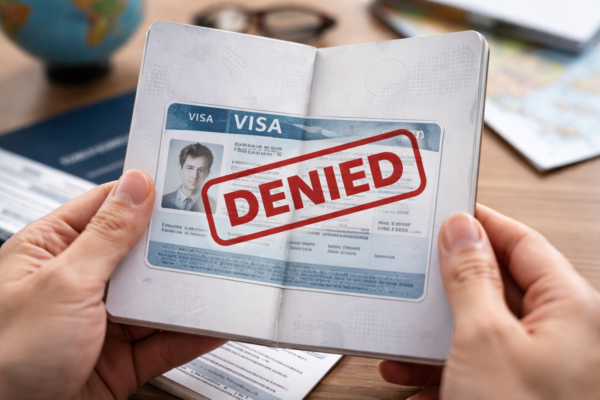
During his regular appearance on the *Browne and Browne Show* this past Saturday, Antigua and Barbuda Prime Minister Gaston Browne shared updates on the twin-island nation’s ongoing diplomatic push to roll back U.S. visa restrictions that have disrupted ordinary residents’ cross-border travel, including a recent high-stakes case where a local resident was barred from traveling to the United States to visit their gravely ill, hospitalized mother. The resident, whose previously valid U.S. visa had expired, reached out to Browne’s office for urgent support after their attempts to renew travel documentation hit roadblocks under the current restrictive framework. Browne noted that the individual could still submit a new visa application, but openly acknowledged that approval odds remain extremely low under the existing U.S. policy. In his public remarks, the prime minister clarified that the White House is the final decision-maker behind the restrictive visa measures, even as day-to-day negotiations are being carried out between Antiguan diplomatic representatives and U.S. State Department officials. While Browne emphasized that long-standing bilateral ties between the two nations remain broadly positive, he confirmed that his administration has still not received a full, transparent accounting of all the motivations behind Washington’s visa limits. U.S. authorities have publicly flagged concerns over Antigua and Barbuda’s long-running Citizenship by Investment Programme, which grants eligible foreign applicants full citizenship status in exchange for pre-vetted real estate investments or non-refundable national development contributions, but Browne raised questions about whether additional unstated grievances are also driving the policy. The prime minister also revealed that the diplomatic pressure around the visa negotiations recently prompted a last-minute adjustment to Antigua and Barbuda’s position on a key United Nations resolution focused on Cuba. The administration had initially planned to vote in favor of the resolution, but reversed that stance after receiving a direct formal communication from U.S. State Department officials, who warned that a supportive vote for the Cuba measure would derail the ongoing visa talks that were showing incremental signs of progress. Instead of casting a supportive vote, the government instructed its permanent representative to the UN headquarters in New York to abstain from the proceeding, though the ambassador ultimately did not appear to participate in the vote at all. Browne further outlined that his administration’s newly tabled proposal to phase out the Citizenship by Investment Programme entirely is directly tied to the ongoing negotiations, and confirmed that formal notification of the planned policy shift will be sent to U.S. authorities in the coming days, as the programme was explicitly named as a core concern by Washington’s negotiating team. At the close of his remarks, however, Browne stressed that no final agreement to fully lift the U.S. visa restrictions has been reached, no clear timeline for a breakthrough has been set, and the government has no independent authority to force U.S. immigration officials to expedite visa approvals. He also confirmed that the urgent case of the resident seeking to visit their ailing mother has not yet been resolved, as negotiations continue to move slowly through formal diplomatic channels.
Antigua and Barbuda continues U.S. visa talks as resident appeals to visit gravely ill mother