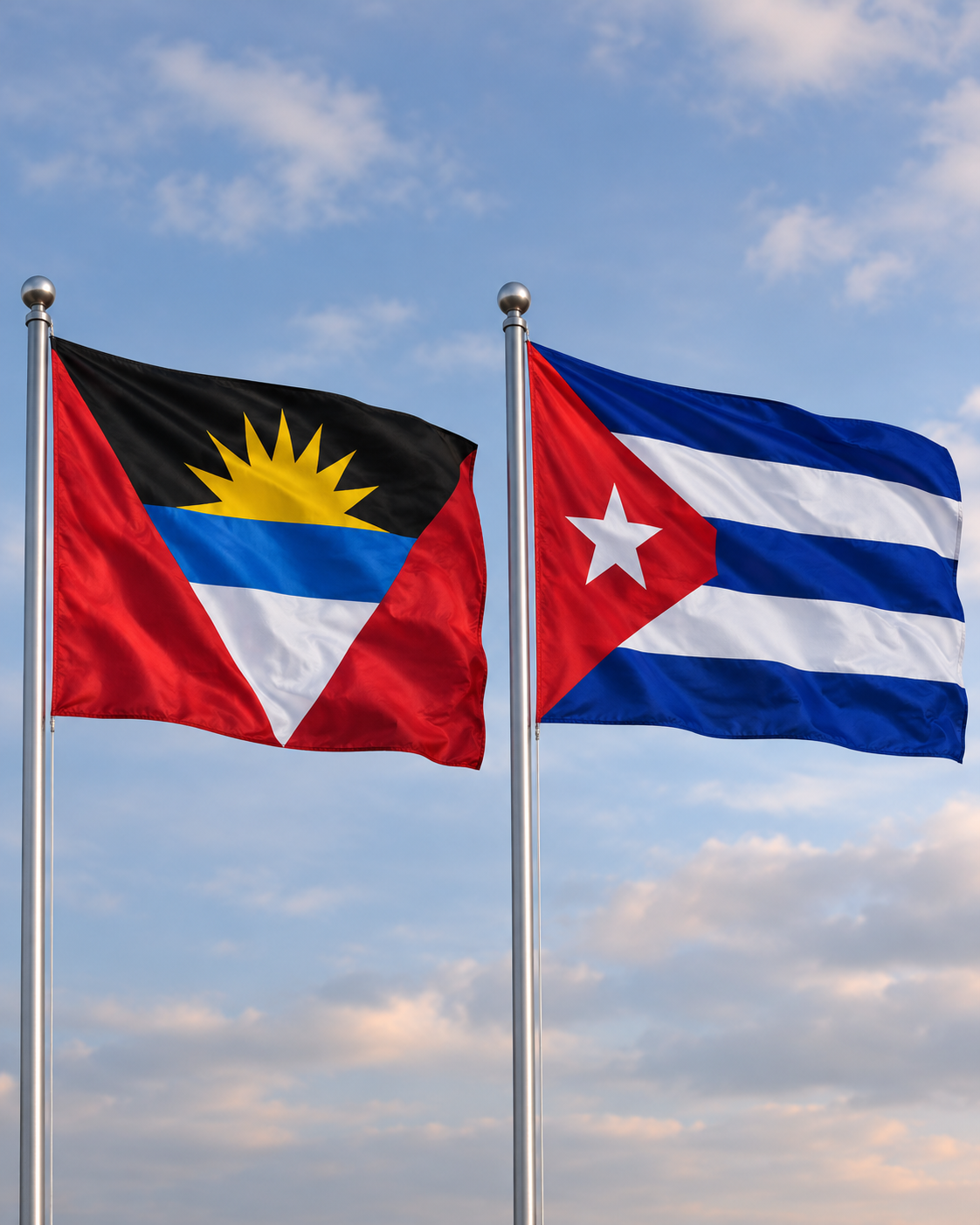
In a newly disclosed public statement, the Prime Minister of Antigua and Barbuda has clarified that the Caribbean nation made a deliberate shift in its long-standing voting position on United Nations resolutions condemning the U.S. economic embargo against Cuba, a decision explicitly framed as a protective measure to keep critical bilateral visa facilitation talks with the United States on track. The Prime Minister emphasized that the policy pivot was not a rejection of the country’s historical solidarity with the Cuban people, who have endured more than six decades of sweeping trade and travel restrictions imposed by successive U.S. administrations. Instead, the government framed the choice as a pragmatic, short-term tactical adjustment designed to avoid derailing high-stakes negotiations that would grant Antiguan and Barbudan citizens far more streamlined, long-term multiple-entry access to the United States, a core priority for thousands of local residents who travel for family visits, business, educational and medical purposes each year. The announcement has sparked mixed reactions across the twin-island nation: some regional policy analysts have noted that small developing states in the Caribbean often face unenviable trade-offs between upholding long-held diplomatic alliances and advancing tangible, immediate benefits for their domestic populations, while local civil society groups that have advocated for Cuban solidarity have called for greater transparency around the terms of the ongoing visa talks and the timeline for the government to reaffirm its original pro-Cuba voting stance at future UN ballots. U.S. diplomatic representatives have not yet issued a formal public response to the Prime Minister’s disclosure as of press time.
Antigua and Barbuda changed Cuba vote position to protect U.S. visa talks, PM says