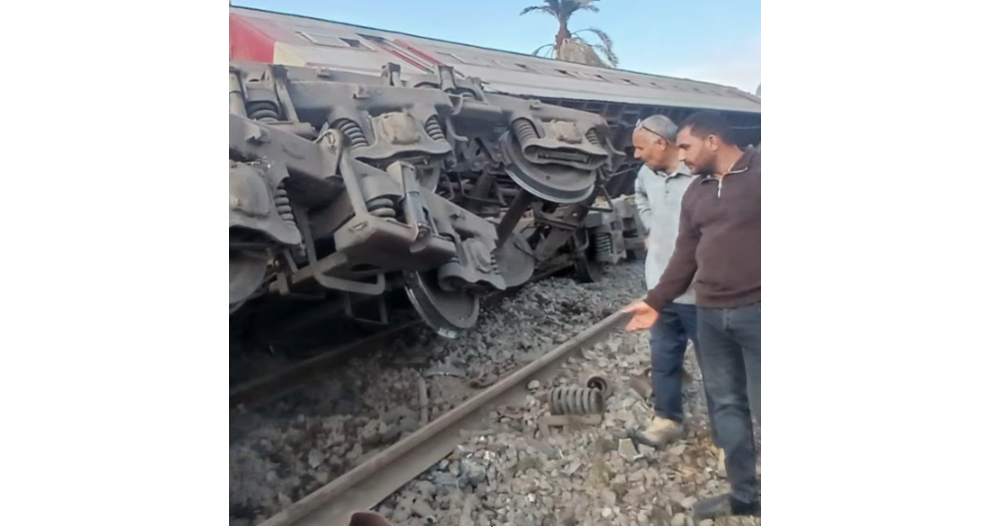
A catastrophic railway incident unfolded outside Cairo, Egypt, this week when two passenger trains collided, leaving at least four people confirmed dead and 88 others with varying degrees of injury, according to official statements from Egypt’s Ministry of Health, corroborated by reporting from the BBC and multiple independent on-ground news sources. The crash took place on a major regional rail route when a service departing Giza and bound for the Fayoum Oasis, located in the desert southwest of the Egyptian capital, struck a second long-distance passenger train traveling north to south from central Cairo to the southern destination of Aswan. First responder teams mobilized rapidly to the crash zone, dispatching a fleet of over 70 ambulances to extract wounded passengers from the wreckage and triage casualties at the scene before transporting all injured parties to three nearby tertiary care hospitals to receive urgent medical attention. Footage and photographic evidence captured by witnesses at the site show multiple train carriages completely derailed from the tracks, with several units fully overturned on their sides along the rail corridor, underscoring the violent force of the impact and the scale of destruction. Shortly after news of the disaster broke, Egyptian President Abdel Fattah el-Sisi issued an official directive ordering all relevant transport, public safety, and law enforcement agencies to open a full, transparent probe to uncover the exact sequence of events that led to the deadly collision. As of the latest update, critical details about the incident remain unconfirmed by authorities: investigators have not yet publicly identified the full root cause of the crash, released the names of all deceased victims, provided updated clinical status reports for the 88 hospitalized injured people, or ruled out the possibility that additional passengers could still be trapped within the twisted, damaged train carriages. Officials have stated that the ongoing formal investigation is designed to clarify every contributing factor to the disaster, establish accountability where appropriate, and issue recommendations to prevent similar fatal railway incidents in the future.