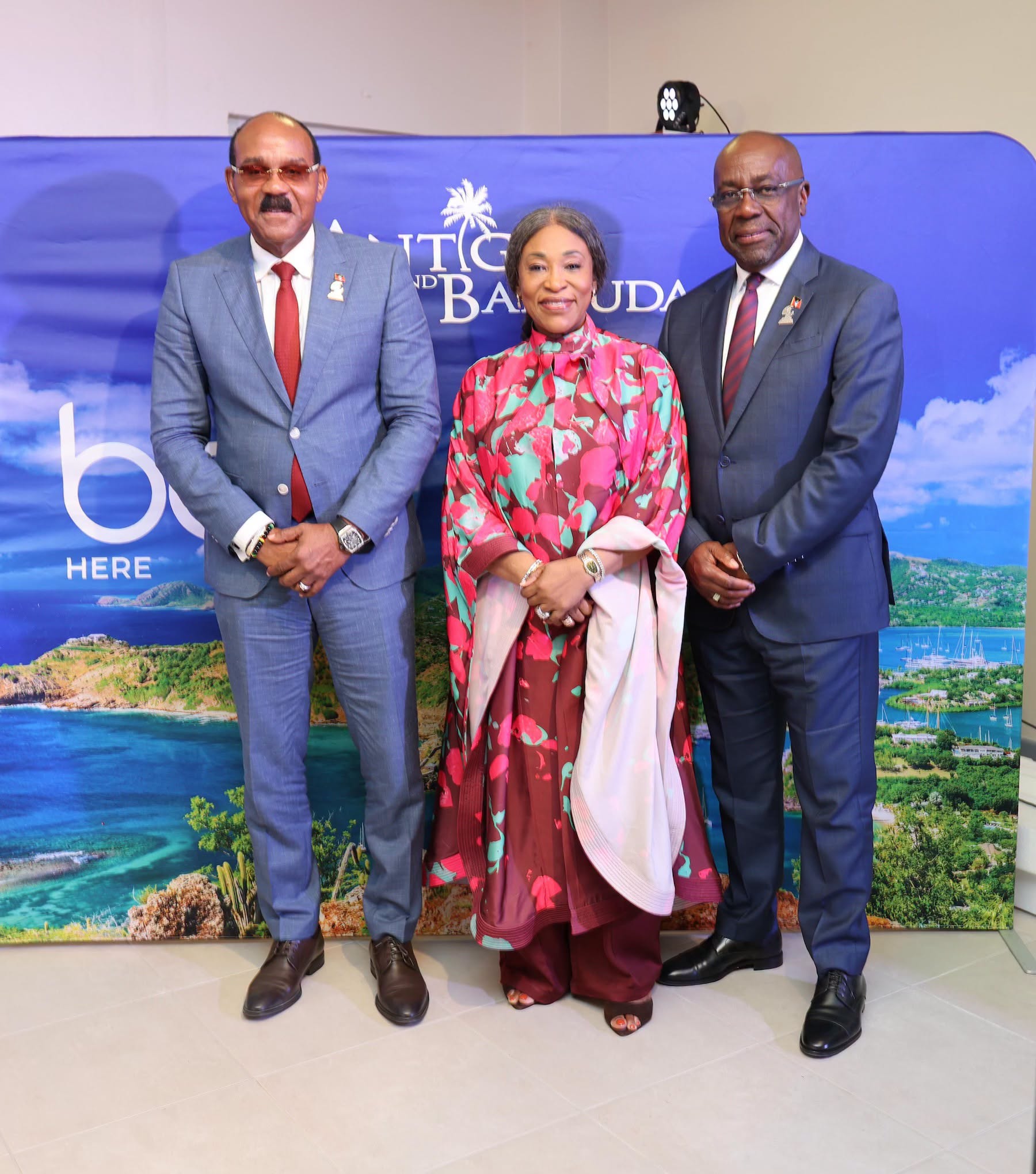
The 26th Commonwealth Heads of Government Meeting, hosted by Antigua and Barbuda over four days of closed-door deliberations and cross-sector stakeholder roundtables, has delivered a landmark suite of investment pledges and actionable development frameworks designed to lift livelihoods across the intergovernmental bloc’s 56 member nations, which collectively represent 2.7 billion people worldwide. Speaking at the summit’s final closing press briefing, Commonwealth Secretary-General Shirley Botchwey framed the gathering as a milestone of tangible ambition rather than symbolic rhetoric, noting that for the first time in CHOGM history, private sector investors and multilateral development partners sat in direct working sessions alongside national heads of government to review fully vetted, bankable infrastructure and social development projects submitted by 28 member states, with a combined total valuation of $52 billion. Six flagship priority outcomes were formally unveiled during the closing proceedings: the brand-new Commonwealth Trade Portal, a digital hub built to cut cross-border red tape and connect small and medium-sized enterprises across the bloc to new consumer bases, potential investors, and untapped regional markets; the Commonwealth Aspiration Fund, which has moved to final operational stages on track to hit its $300 million fundraising target, a pool of capital that will deliver vocational and entrepreneurial upskilling to 10 million young people across member states to boost their employment prospects or support new business launches; the Commonwealth Net Zero Fund, which has advanced to formal implementation planning with $700 million in committed seed capital, earmarked to expand affordable lending for renewable energy deployment across the bloc, with projected partial guarantee arrangements expected to unlock an additional $500 million in supplementary financing to scale the clean energy sector; the Commonwealth Nature Initiative, a new conservation framework that has already locked in $202 million in initial pledges to restore critical endangered ecosystems and reverse widespread environmental degradation across vulnerable member territories; the Disaster Insurance Initiative, a formal collaborative agreement with global insurance providers to design a streamlined rapid-disbursement payout mechanism that will send emergency funding to impacted nations within days of a catastrophic climate or natural disaster striking; and a formal accord to convene a special high-level summit of Commonwealth trade and finance ministers, national investment agency leaders, and global corporate chief executives in 2027 to systematically dismantle lingering cross-border trade barriers and prioritize high-impact, community-focused investment flows. On the policy governance front, assembled Commonwealth leaders signed a joint official communiqué laying out unified collective positions on a series of pressing global development and geopolitical issues. On the critical file of debt sustainability, heads of state agreed that sweeping, systemic reforms to global sovereign debt architecture are urgently required to embed explicit consideration of national climate vulnerability into restructuring frameworks, endorsing the rollout of state-contingent debt pause clauses and climate-aligned debt instruments that will protect low- and middle-income nations’ fiscal capacity during crisis events. The communiqué also calls for deeper coordination with multilateral financial institutions to build new, multidimensional metrics for national vulnerability that move beyond narrow per-capita income classifications, a reform intended to create a far more accurate assessment of countries’ unique development financing needs and expand their access to low-cost concessional lending and fair, tailored debt restructuring terms. Leaders formally recognized both the landmark Bridgetown Initiative and Antigua and Barbuda’s 2024–2034 Agenda for Small Island Developing States as core operational vehicles to push through long-overdue overhauls of the global financial system, specifically calibrated to address the unique structural economic and environmental challenges faced by SIDS. On the long-running file of reparatory justice, summit leaders formally acknowledged significant progress made since the 2024 CHOGM hosted in Samoa, including the landmark United Nations General Assembly resolution that classifies the transatlantic trafficking of enslaved Africans and the racialized chattel enslavement system as one of the gravest crimes against humanity ever perpetrated, and formally welcomed the UK government’s recent commitment to enter a structured, time-bound, inclusive, good-faith dialogue with affected communities and nations to address the enduring intergenerational harms of the transatlantic slave trade. Secretary-General Botchwey emphasized that the full suite of outcomes from the Antigua and Barbuda summit stands as concrete proof of the Commonwealth’s unique convening power to bridge governments, private capital, and development actors to co-design practical, targeted solutions to shared transnational challenges. She stressed that the partnerships and commitments forged over the four days are not one-off announcements, but the starting line for sustained collaborative work that will roll out across the 56 member states in the coming months and years. Botchwey also formally installed Antigua and Barbuda as the new Commonwealth Chair-in-Office, succeeding Samoa in the rotating leadership role, and expressed full confidence that Prime Minister Gaston Browne and his administration will steer the intergovernmental bloc to deliver on its progressive, people-centered mandate. The Secretary-General concluded that the Commonwealth is departing the 2026 summit with fortified cross-sector partnerships, billions in new earmarked investment, and a renewed collective sense of purpose to build a more equitable, prosperous, and resilient future for all its 2.7 billion citizens. Taken together, the 2026 CHOGM outcomes also advance Antigua and Barbuda’s stated leadership ambition to reposition the Commonwealth as a far more agile, action-oriented platform for coordinated trade expansion, climate action, and inclusive sustainable development, delivering measurable, tangible benefits to every member state and the people who call them home.
CHOGM 2026 Generates US$500 Million in New Commitments and Advances US$52 Billion in Investment Projects