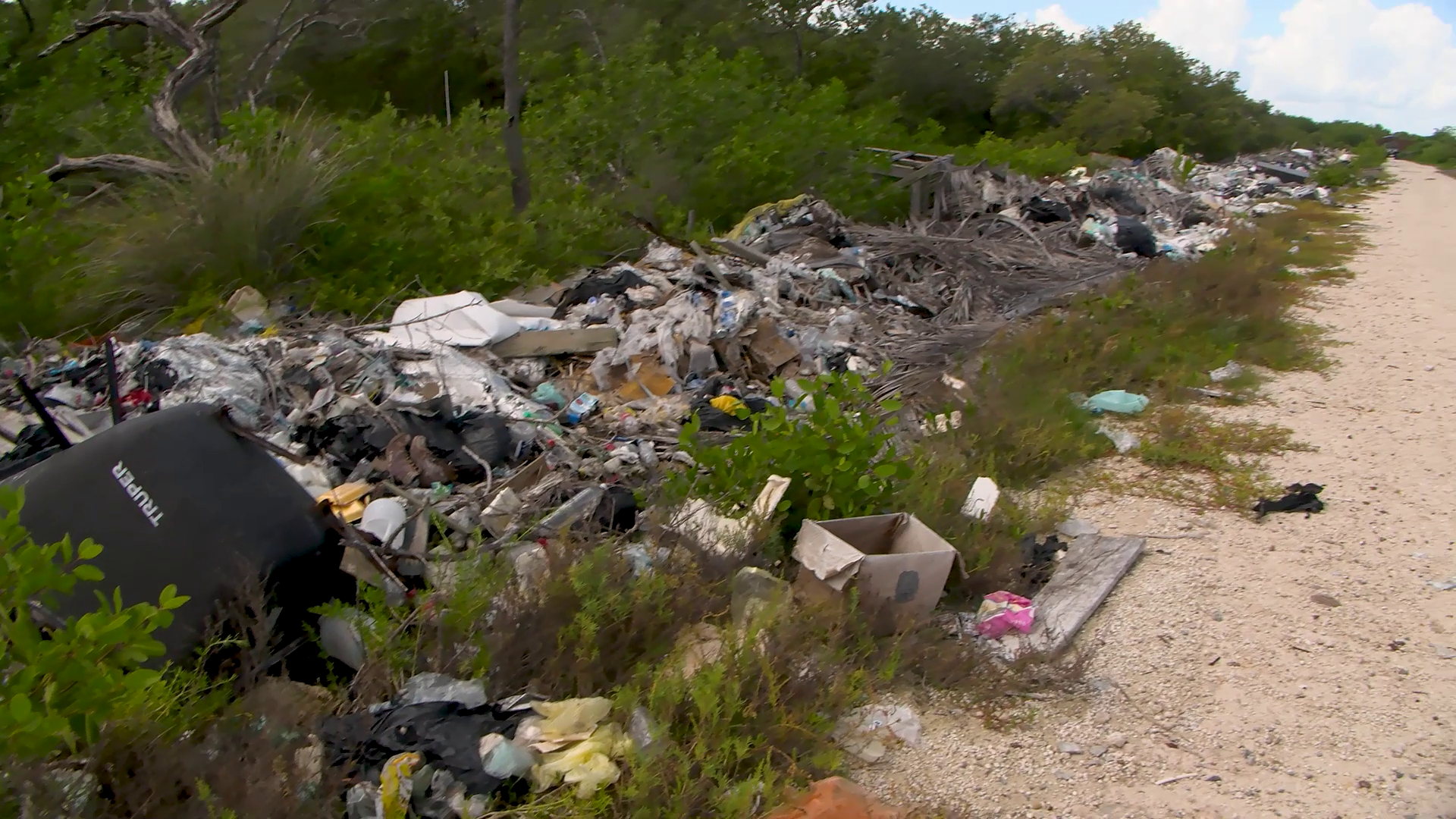
As of November 6, 2026, the fast-growing tourism hub of Ambergris Caye, located off the coast of Belize, stands at a crossroads: local leaders are pushing forward with high-value, large-scale development projects, but a long-simmering waste management emergency is undermining the island’s livability and global tourism reputation. The Ambergris Northern Alliance first raised public alarms last week over the proliferation of unregulated illegal dumps scattered across the island, which mar coastal scenery, harm fragile local ecosystems, and cast doubt on whether core municipal services can keep up with the surging population and visitor volumes driven by the island’s booming hospitality sector. While San Pedro Town Mayor Wally Nunez has publicly committed to rolling out targeted interventions to resolve the waste backlog, opposition United Democratic Party (UDP) Caretaker for Belize Rural South Gabriel Zetina is calling for a full reset of the island’s spending priorities, arguing that local authorities must secure sufficient foundational resources before signing off on any multimillion-dollar flagship development schemes. Zetina emphasized in public remarks that waste mitigation must be treated as an equal priority to new construction, pointing out that the entire island currently operates with only a single functional garbage collection truck, a glaring underinvestment that has left collection routes perpetually backlogged. He warned that the chronic underfunding of basic waste services is already eroding the quality of Ambergris Caye’s core tourism product, at a moment when the island is bracing for the annual sargassum seaweed influx that will create additional massive volumes of organic waste – and to date, no coordinated, concrete response plan for the sargassum season has been released by the area’s elected representative, the central Belizean government, or the San Pedro Town Council. Zetina also pushed back against the widely discussed proposal to construct a new airport on the island, noting that the proposed construction site sits entirely on ecologically sensitive swamp land. He criticized the glaring disconnect between official government policies that pledge formal mangrove protection on paper, and on-the-ground actions that are clearing and destroying these critical carbon-sequestering, storm-buffering coastal ecosystems to make way for new development. Beyond waste and ecosystem concerns, Zetina also flagged a rapidly growing unmet demand for additional school infrastructure on the island, a gap that requires immediate targeted investment to serve the expanding permanent resident population.