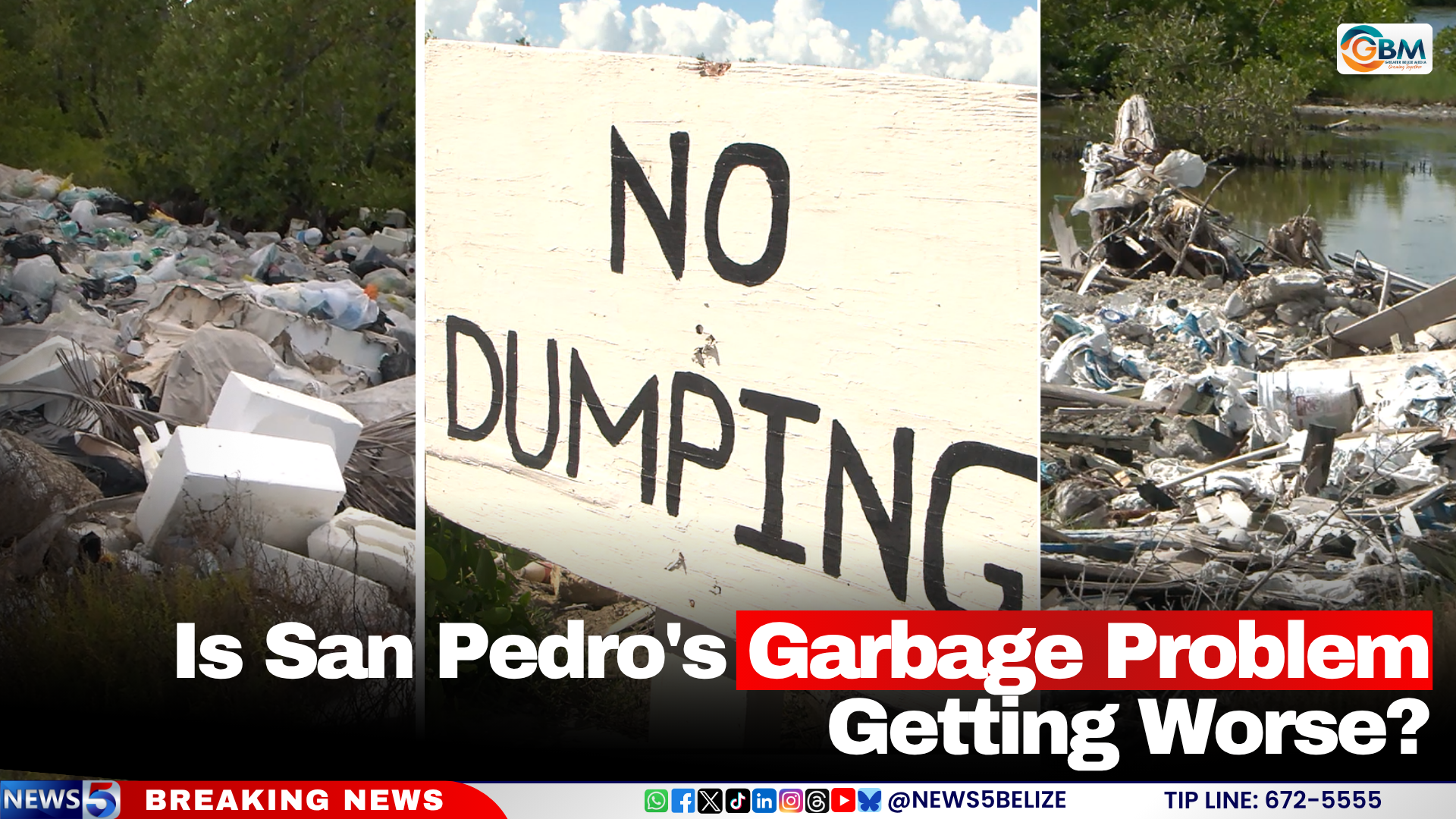
On November 5, 2026, community leaders in northern Ambergris Caye, part of San Pedro Town, are sounding the alarm over a rapidly deteriorating waste management crisis that volunteer-led efforts can no longer mitigate, as the island braces for its high-traffic peak tourism period. For two consecutive years, the Ambergris North Alliance (ANA), a local community group, has organized monthly mass cleanup drives and funded a part-time staff member to clear waste from isolated northern roadways, but organization president Catherine Paz stressed that grassroots volunteer labor is no longer sufficient to keep public spaces, roadsides and natural zones free of accumulating trash. Paz explained that the group formally submitted a written request in September to both island municipal leadership and national government agencies, seeking a collaborative meeting to negotiate solutions including scheduled regular garbage collection, full remediation of unregulated illegal dump sites, structured roadside litter removal programs, and consistent enforcement of existing anti-litter and waste disposal regulations. It took three separate hand deliveries of the formal letter and a public press statement to elicit a response, with only the San Pedro mayor acknowledging the request as of this week, while all other relevant government bodies have remained unresponsive. Local residents, small business operators and tourism industry stakeholders have all raised urgent concerns that the mounting trash problem risks tarnishing the island’s reputation as a top Caribbean travel destination just as visitor numbers are set to surge. Paz emphasized that foundational public services like reliable waste management must be fully functional before local authorities move forward with approving large-scale new development projects that would place even more strain on the island’s limited infrastructure. The environmental toll of unaddressed waste is already becoming catastrophic, according to Matt Barnes, co-manager of the American Crocodile Education Sanctuary (ACES). Barnes reported that his team has documented a sharp, year-over-year rise in pollution-related harm to local wildlife, with discarded plastic straps, fishing line and other discarded debris causing fatal entanglement and ingestion cases for sea turtles, native birds, island foxes and dozens of other terrestrial and marine species, while uncollected trash is steadily eroding critical coastal habitats. ANA officials noted that their core goal is to partner with all levels of relevant authorities to co-design a permanent, long-term waste management strategy, rather than continuing to rely on reactive, one-off cleanup events that only temporarily address the symptoms of a deeply rooted systemic gap. The group’s immediate top priority is to restore the island’s public spaces and natural ecosystems to a safe, clean state before the arrival of tens of thousands of seasonal tourists in the coming months.