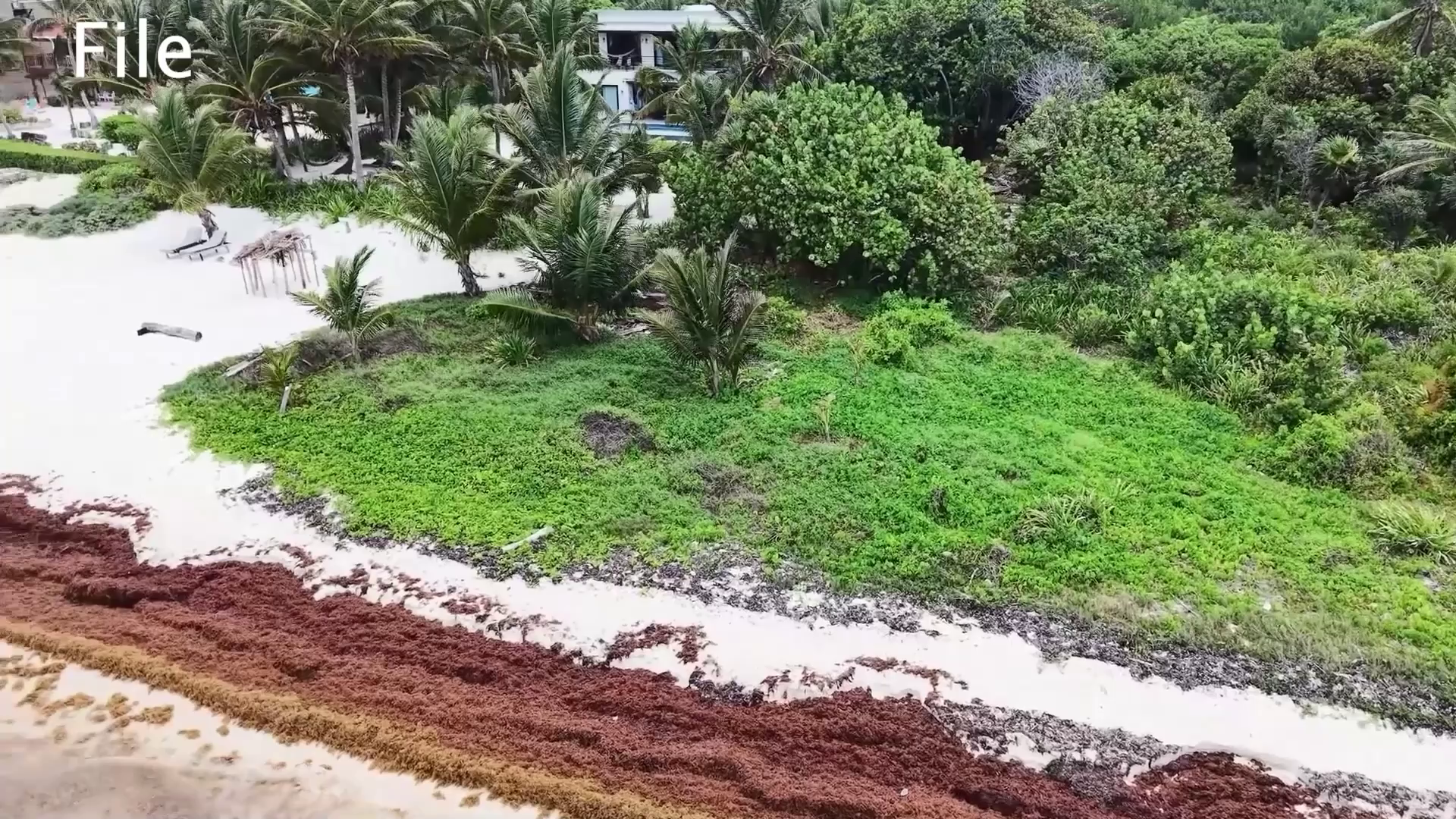
On November 3, 2026, coastal communities in Belize’s popular Placencia peninsula are sounding the alarm over a rapidly worsening sargassum surge that threatens to unravel the region’s core economic backbone: its beach-dependent tourism sector. For decades, Placencia’s pristine white-sand shorelines have drawn international visitors, supporting thousands of local small business owners, hospitality workers, and tour operators whose livelihoods are directly tied to the destination’s reputation as a tropical leisure haven. Local residents have repeatedly raised concerns that unaddressed sargassum accumulation – which smothers beaches, releases unpleasant odors as it decomposes, and accelerates coastal erosion – will drive away tourist arrivals in peak seasons, triggering cascading losses for the entire local economy. Opposition Leader Tracy Taegar-Panton has emerged as a vocal advocate for the community’s demands for immediate government intervention, framing the sargassum crisis as far more than a localized coastal nuisance. “This community is not making unreasonable asks,” Taegar-Panton stated in a public address. “We need to conduct targeted research into proven, actionable sargassum mitigation strategies deployed by other Caribbean and Atlantic tourism destinations that have faced similar infestations, rather than letting technical teams delay action with no clear roadmap. Right now, Placencia’s shorelines are actively eroding as a direct consequence of unmanaged sargassum buildup, and we cannot afford to stay silent while the core tourism product we promote to global visitors is destroyed.” She emphasized the existential stakes for Belize’s national economy, noting that tourism accounts for 60% of the country’s total gross national receipts and foreign exchange earnings. Recent data from the Statistical Institute of Belize (SIB) already shows declining performance across traditional productive sectors and falling export volumes, driven by soaring global input costs that have eroded competitiveness for agricultural and manufacturing exports. Taegar-Panton argued that protecting the tourism sector is a non-negotiable national priority to prevent broader economic contraction. Responding to growing public pressure on Monday, Minister of Economic Development Osmond Martinez confirmed that two major multilateral financial institutions – the Inter-American Development Bank (IDB) and the World Bank – stand ready to provide dedicated funding, technical expertise, and resources to support Belize’s sargassum mitigation efforts. However, he clarified that this critical international support is conditional on the formal, official declaration of the sargassum infestation as a full-blown national crisis. As of the November 3, 2026 report, local stakeholders are calling on the sitting administration to fast-track that declaration to unlock the urgently needed resources before the upcoming high tourist season, when sargassum influxes historically peak across the Caribbean region.