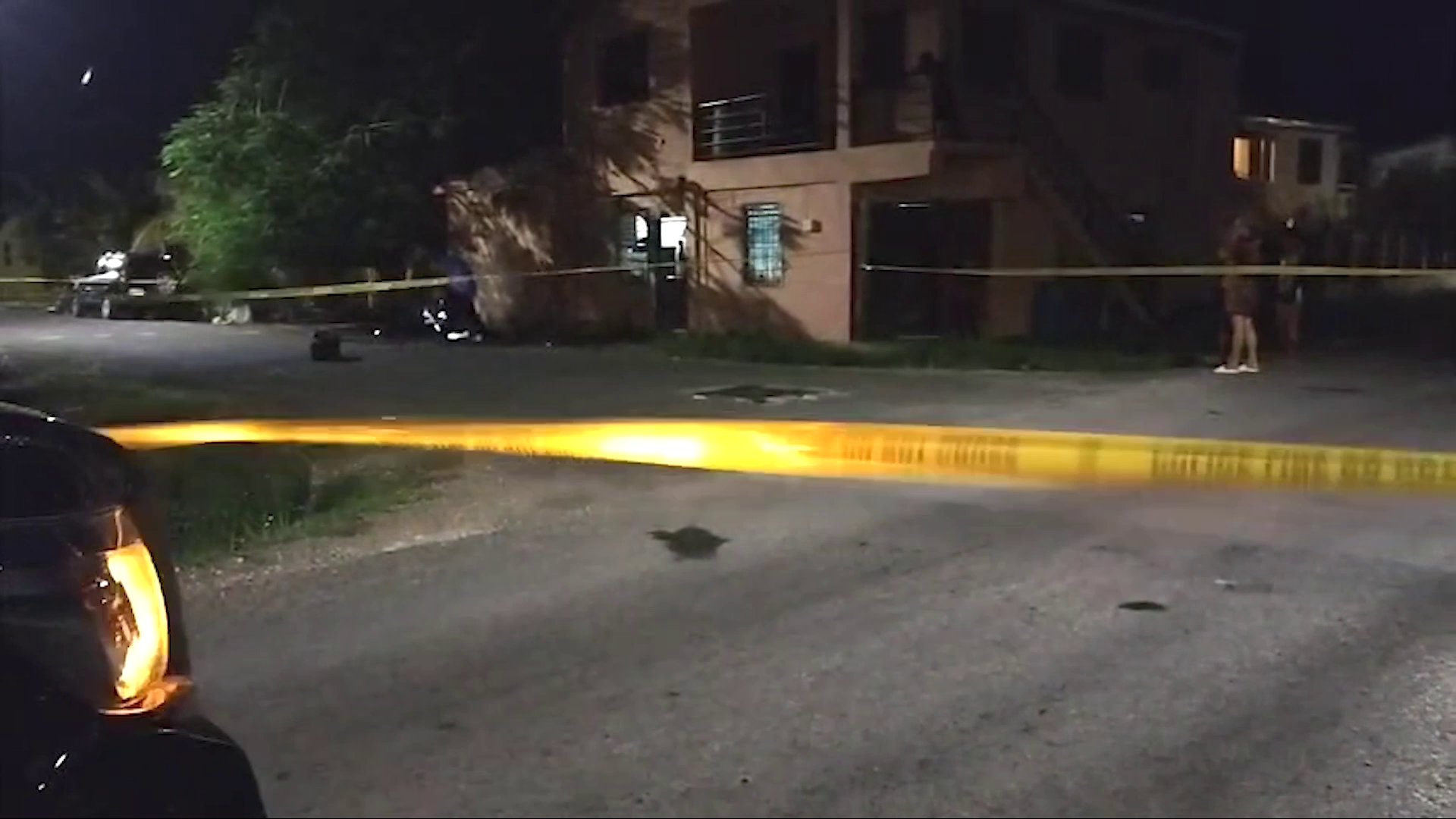
On November 3, 2026, Belize’s main opposition United Democratic Party (UDP, also referred to as PUDP in local political circles) announced a historic break from traditional partisan posturing, stating that the country cannot resolve its spiraling public safety crisis through arrests alone. Addressing reporters at a capital city press briefing, Opposition Leader Tracy Panton laid out the party’s comprehensive public safety framework while formally endorsing a suite of anti-crime measures the ruling Briceño administration had unveiled just three days prior, on Sunday, November 1.
Panton emphasized that the proliferation of illegal firearms and organized gang activity are merely surface-level manifestations of deeply entrenched systemic failures. She enumerated the root causes driving the nation’s public safety collapse: widespread public distrust in the leadership of the Belize Police Department, pervasive corruption across core public institutions, unregulated cross-border movement of criminal actors from neighboring Central American nations, a booming illicit trade in narcotics and unregistered ammunition, and a rapidly widening economic gap that pushes growing numbers of vulnerable households into cycles of intergenerational poverty. “We cannot arrest our way out of this crisis. We have to tackle both the immediate violence and the underlying conditions that keep feeding it,” Panton told assembled journalists.
The opposition leader cited stark, verified public safety data to underscore the urgency of coordinated action: 91 homicides were recorded across Belize in 2025, translating to a homicide rate of just over 21 per 100,000 residents. By the end of June 2026, the latest publicly confirmed unofficial homicide tally had already hit 58, a trajectory that would push 2026’s total well above the previous year’s grim record. Panton also called out the ruling administration for what she described as chaotic national security governance, noting that the minister overseeing national security and police portfolios has been replaced three times since the Briceño government took office in late 2025, with the current appointment marking the fourth person to hold the role in less than 12 months. “Belizean citizens do not deserve a revolving door of unaccountable leadership at the helm of their public safety apparatus. They deserve consistent, steady, transparent stewardship that prioritizes their lives over partisan patronage,” Panton stated.
In a rare show of cross-party solidarity for the politically divided nation, the opposition leader confirmed the UDP is fully prepared to set aside long-standing partisan rivalries to collaborate with the sitting government, unify around evidence-based anti-crime policies, and work to restore both community safety and eroded public trust in state institutions.