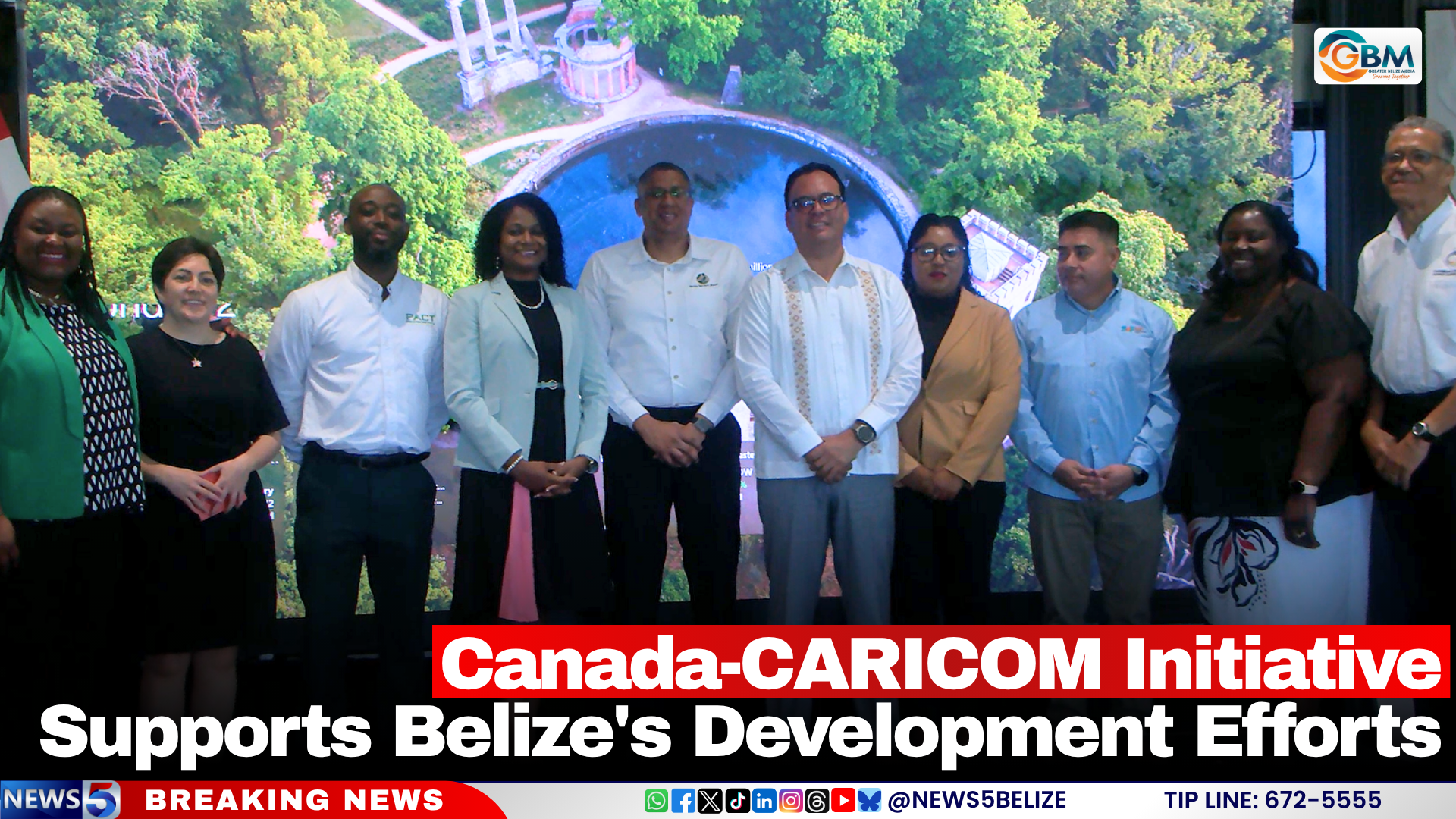
On November 2, 2026, local economic authorities in Belize announced tangible outcomes from a Canadian government-backed development initiative rolled out via the Canada-CARICOM Expert Deployment Mechanism (CCEDM), a targeted technical support framework designed to bridge specialised skill gaps across Caribbean nations. Funded by Global Affairs Canada, the programme pairs local public institutions, community groups and government bodies across the Caribbean with seasoned Canadian industry professionals to address unmet technical requirements, shore up grassroots economic vitality, and advance the construction of climate-adaptive communities that can withstand growing environmental risks. Dr Osmond Martinez, Belize’s Minister of Economic Transformation, emphasised that the initiative has effectively plugged longstanding shortages of niche, high-level expertise that previously hindered local project planning and implementation capacity. The cross-national mechanism, administered in partnership with CARICOM governance structures, deploys Canadian specialists across diverse fields to deliver customised support tailored to Belize’s unique national development priorities. A wide range of local stakeholders have already benefited from the targeted intervention: these include the coastal community of Gales Point, the Belize Trade and Investment Development Service (BELTRAIDE), the Statistical Institute of Belize (SIB), the Development Finance Corporation (DFC), and the national Social Investment Fund. Specific deliverables completed under the programme include full technical support to advance DFC’s formal institutional accreditation, as well as the drafting of standardised accreditation criteria for accessing Green Climate Fund (GCF) resources, led under the oversight of the Ministry of Economic Transformation. For the remote village of Gales Point, the programme’s experts assisted the local primary school to design a long-term sustainability roadmap, while delivering hands-on training for community leaders across multiple rural villages to build their capacity to draft project proposals rooted in local, on-the-ground needs. Minister Martinez highlighted that the most transformative outcome of the training is that participating communities can now refine their locally identified priorities into fully bankable, fund-ready project proposals that are far more likely to attract domestic and international development financing. This capacity building step removes a major historical barrier that previously prevented small, remote Belizean communities from accessing large-scale public and green investment streams.