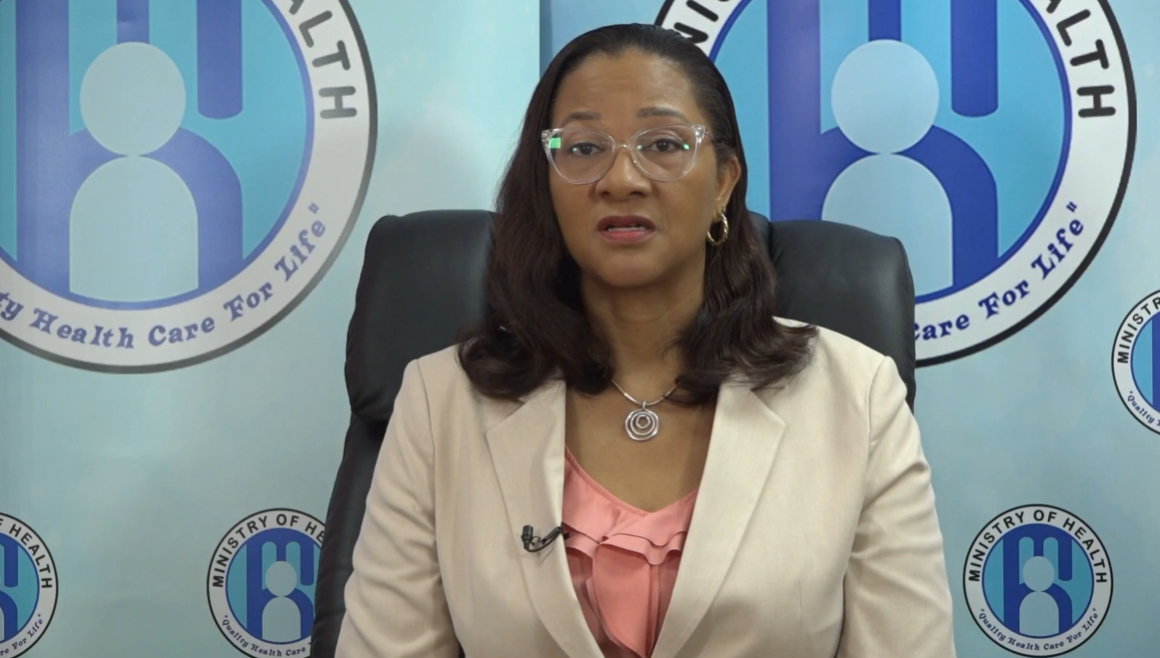
Saint Lucia’s Ministry of Health, Wellness and Nutrition has rolled out a formal public health travel advisory urging all citizens to forgo all non-essential trips to the Democratic Republic of the Congo (DRC), Kenya, and Nigeria, as the spread of the Bundibugyo Ebola Virus Disease (BVD) across parts of Africa raises cross-border public health concerns. The directive, signed off by Chief Medical Officer Dr Sharon Belmar George, follows the Caribbean Public Health Agency (CARPHA)’s recent decision to upgrade the regional BVD risk rating from low to moderate, citing expanding transmission chains across the African continent.
As of official data compiled on October 18, 2026, the DRC remains in the throes of a sustained, large-scale BVD outbreak, with 9,552 confirmed infections and 4,602 recorded fatalities, translating to a reported case fatality ratio of 48.1%. The outbreak has penetrated 23 of the country’s provinces, though transmission intensity varies significantly between individual provinces and local health zones, per Dr Belmar George’s official briefing.
The epidemiological landscape shifted rapidly in neighboring East and West Africa in mid-October 2026, marking a notable geographic expansion of the virus beyond the DRC’s borders. Kenya logged its first ever imported BVD case and subsequent death on October 6, the first instance of Ebola transmission ever documented in the country; by October 20, that tally had risen to nine confirmed cases, all epidemiologically linked to the initial imported index patient. On the exact same date, Nigeria confirmed its first imported BVD case in the capital city of Abuja, involving a traveler who had recently arrived from Uganda, with public health teams immediately identifying 44 close contacts to place under active monitoring.
Dr Belmar George emphasized that the presence of direct commercial air travel routes connecting Nigeria to the Caribbean, paired with the highly interconnected nature of regional inter-island travel networks, elevates the tangible risk of BVD being inadvertently imported into the Caribbean region. To mitigate this threat, Saint Lucia’s health ministry has already rolled out a suite of enhanced surveillance, preparedness and rapid response protocols designed to minimize the likelihood of local virus introduction and subsequent community transmission.
These upgraded safeguards include tightened health screening and real-time monitoring protocols for all incoming travelers at all national ports of entry, targeted investments to boost infection prevention and control capacities at local healthcare facilities, and ongoing synchronized coordination with regional and global public health partners to maintain robust early detection frameworks and rapid response readiness. The advisory also extends heightened precaution guidance for Saint Lucians planning trips to 10 additional high-risk African nations: Uganda, South Sudan, Rwanda, Zambia, the Central African Republic, Tanzania, Ethiopia, Angola, the Republic of the Congo and Burundi, with all travelers urged to exercise extreme caution and stay continuously updated on on-the-ground outbreak developments.
The non-essential travel restriction for DRC, Kenya and Nigeria will remain in place for an initial three-month period, with scheduled regular reviews to adjust guidance based on real-time outbreak progression and evolving public health risk metrics. Saint Lucian citizens and foreign non-nationals returning to the island from the DRC may be required to complete a mandatory 21-day health monitoring period and/or formal quarantine, with individual determinations made on a case-by-case basis by public health officials based on each traveler’s documented exposure history and full travel itinerary.
Dr Belmar George also issued a clinical advisory for anyone who develops BVD-associated symptoms including high fever, profound weakness, vomiting, or unexplained bleeding after returning from any BVD-affected or high-risk African jurisdiction, urging them to seek immediate medical care and fully disclose their recent travel history to attending healthcare providers to enable fast, appropriate clinical management. She also notified the public of a new upcoming rule from the U.S. Centers for Disease Control and Prevention, set to take effect November 3, 2026: all passengers boarding international flights bound for the United States will be required to submit a formal attestation confirming they have not visited the DRC in the 21 days prior to their departure.
The Chief Medical Officer confirmed that there are currently zero confirmed BVD cases in Saint Lucia or across the wider Caribbean region, but cautioned that the volume of global international travel and trade creates persistent pathways for high-consequence infectious diseases to cross national borders. The Ministry of Health, Wellness and Nutrition has committed to ongoing continuous monitoring of global and regional BVD epidemiological trends, and will release timely public updates and revised guidance as new information emerges.