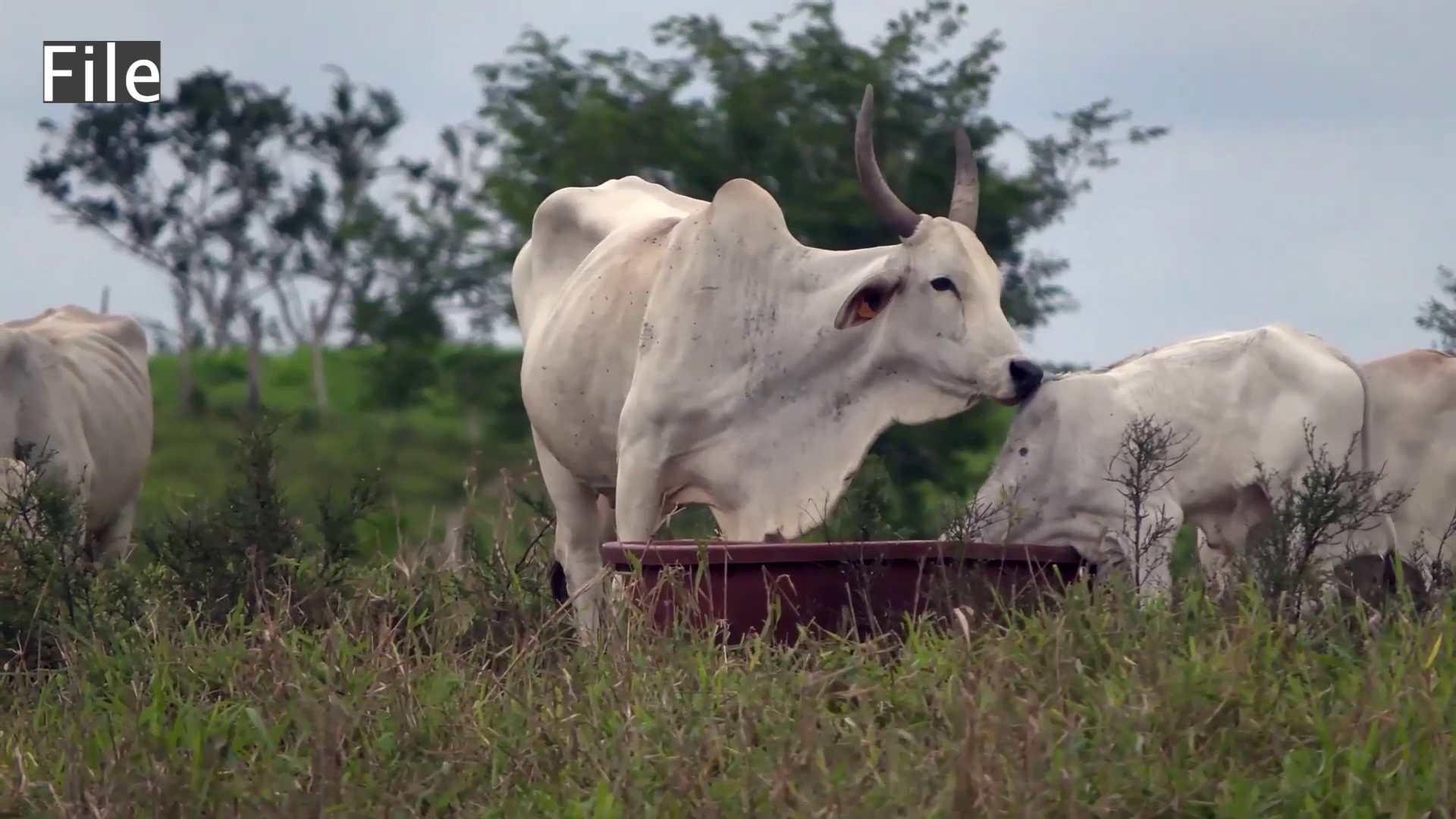
Published October 28, 2026 – Belize’s longstanding agricultural sector is poised for a historic economic overhaul, as national policymakers shift away from reliance on raw commodity exports to prioritize value-added processing of domestically grown goods, according to senior government leadership. Rodwell Ferguson, Minister of New Growth Industries, laid out the administration’s strategic roadmap during recent remarks, centering the expansion of a domestic beef processing ecosystem as the immediate high-impact priority to drive job creation, diversify revenue streams, and elevate the country’s profile as a trusted food supplier across regional and global markets. Ferguson explained that upon taking office, he immediately launched a full assessment of untapped domestic agricultural capacity, and confirmed Belize already has the scale to meet total beef demand across the 15-nation CARICOM bloc, as well as neighboring Central American markets and far-reaching international buyers. Currently, the nation exports nearly 10,000 head of live cattle annually to Guatemala and Mexico under a formal bilateral trade agreement, a commitment that will remain fully intact, Ferguson noted. But the national cattle herd has now swelled to 220,000 head, far outstripping the volume required for existing live export contracts, creating excess capacity that can be leveraged for higher-value finished beef cuts. Ferguson emphasized that global buyers have already reached out to Belizean trade representatives to inquire about timelines for the country to begin delivering processed, portioned beef products, citing the consistent high quality of Belizean livestock as a key draw. He added that while local consumption patterns prioritize poultry, most international markets demonstrate far higher demand for beef and pork products, creating a massive untapped gap that Belize is uniquely positioned to fill. Earlier this month, Ferguson also addressed regional policymakers gathered at the Caribbean Week of Agriculture summit in Kingston, Jamaica, issuing a call for coordinated cross-border policy support to lower trade barriers and prioritize consumption of domestically produced food goods across all CARICOM member states, to strengthen collective food security and shared economic growth for the entire region.