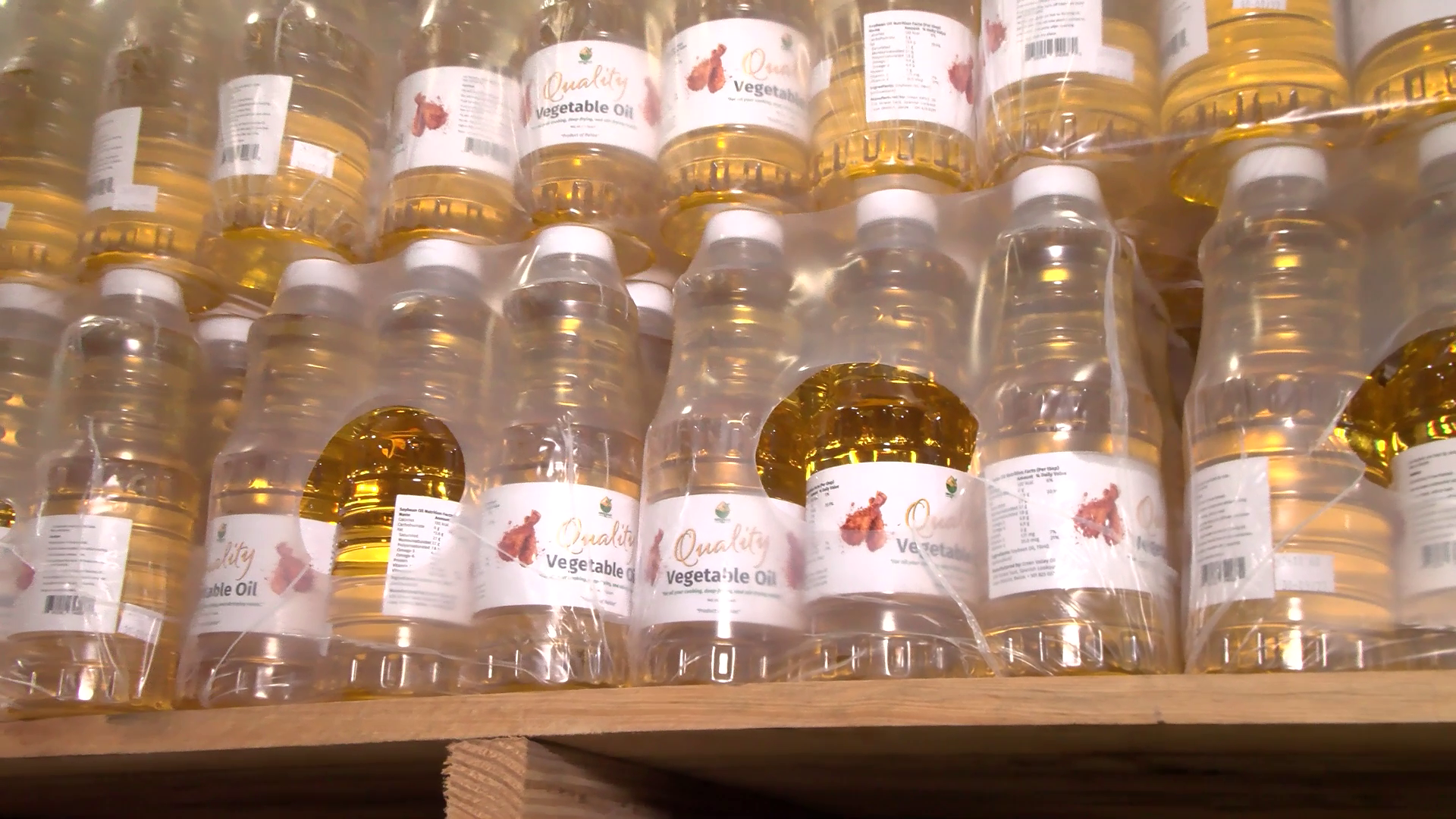
On October 28, 2026, Belize’s Ministry of New Growth Industries announced a staged trade protection framework designed to nurture the country’s newly operational $15 million Green Valley Oil refinery, while prioritizing the livelihoods of domestic soybean farmers. The landmark local production facility launched earlier this year with pledges to expand income streams for smallholder agricultural producers and introduce a fully domestically made cooking oil option for Belizean households.
Speaking at a recent stakeholder gathering, Agriculture Minister Rodwell Ferguson laid out the policy roadmap: once Green Valley Oil reaches full production capacity capable of meeting 100% of national demand for vegetable and soybean cooking oil, he will formally lobby the Cabinet to raise import tariffs on foreign cooking oil brands. The proposed tariff adjustment is structured to price imported alternatives higher than the locally manufactured product, a move explicitly intended to create a level competitive playing field for domestic growers rather than artificially inflate costs for essential household goods.
For popular imported brands such as the widely used 1-2-3 cooking oil, the eventual tariff hike would translate to higher shelf prices, a development that arrives at a moment when thousands of Belizean families are already grappling with persistent cost-of-living pressures and stretched grocery budgets.
Green Valley Oil manager Daniel Braun emphasized that the proposed policy shift is not imminent, noting the refinery is still in the early phases of scaling operations. The facility currently lacks the output volume to replace all imported cooking oil supplies nationwide, and the company is prioritizing two near-term milestones: first, building consumer trust and familiarity with its domestically produced product, and second, installing additional pre-purchased processing equipment to ramp up total output to serve the full national market. Braun added that the refinery’s long-term strategy extends beyond domestic consumption, as multiple regional trading partners have already reached out to express formal interest in purchasing Green Valley’s refined vegetable oil for export. While export sales would accelerate the company’s ability to recoup its $15 million capital investment, the leadership team confirmed that supplying the entire Belizean domestic market will remain its top operational priority before pursuing large-scale international shipments.
The dual policy and commercial roadmap presents a nuanced tradeoff for national regulators: in the long run, nurturing a domestic cooking oil production ecosystem will reduce Belize’s reliance on volatile global commodity import markets, create stable local agricultural jobs, and keep more consumer spending circulating within the national economy. In the short term, however, many cost-sensitive households are weighing the tradeoffs between supporting local farmers and retaining access to lower-priced imported cooking oil options as they navigate tight household budgets. The full policy timeline will be tied directly to Green Valley’s production scaling progress, with no fixed date set for the Cabinet tariff review at the time of reporting.
Government Moves to Shield Homegrown Cooking Oil