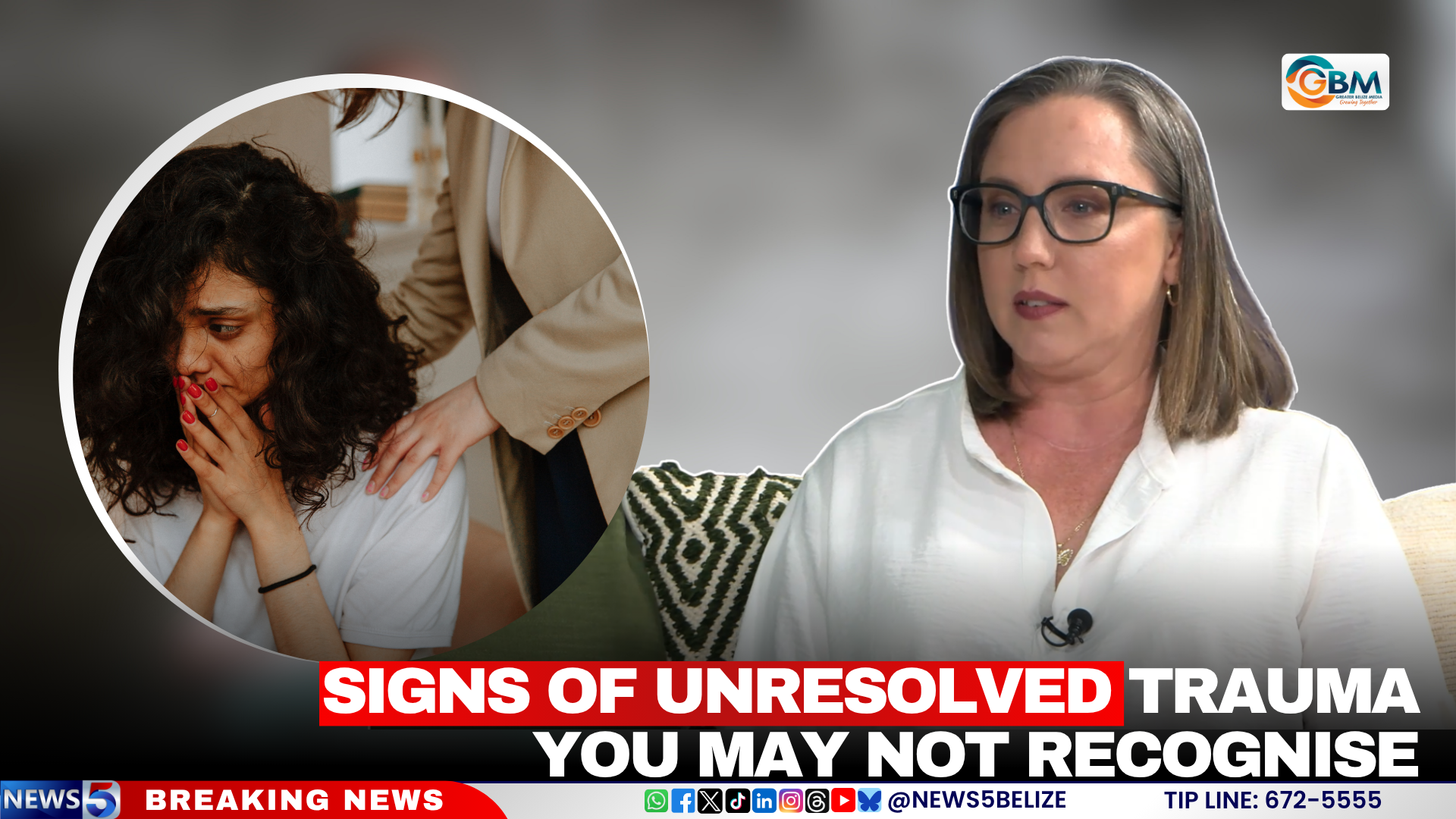
On October 28, 2026, licensed professional counsellor Christa Courtenay appeared as a guest on Belize’s local morning talk show *Open Your Eyes* to unpack the often-overlooked manifestations of unresolved trauma, debunk common public misconceptions, and outline actionable pathways for community support and timely intervention.
Contrary to widespread public assumptions that trauma exclusively stems from a single, high-impact catastrophic event such as a violent robbery, Courtenay emphasized that trauma is a deeply personal internal response rather than a universal reaction to a shared external experience. Two people who survive the exact same violent incident may develop vastly different long-term psychological and physical outcomes, as trauma is defined by the unique cognitive and emotional processing that unfolds inside each individual after a distressing event. She explained that the human brain’s core survival programming often operates outside conscious control: it can deliberately repress traumatic memories for decades, with many people only recovering full recall of a distressing event in mid-adulthood. Courtenay cited a recent clinical case of a 50-something client who experienced sudden, unrelenting intrusive memories of a traumatic incident they had completely suppressed for more than 30 years, with no prior awareness of the unprocessed distress held in their nervous system.
Chronic, repeated exposure to distressing events also poses severe, underrecognized trauma risks, particularly for frontline public service workers including paramedics, clinical staff, and on-the-ground journalists who encounter crisis situations on a daily basis. Courtenay stressed that without structured, ongoing workplace mental health support, this cumulative exposure can lead to complex post-traumatic stress symptoms that erode long-term wellbeing. Compounding this systemic risk, the modern proliferation of social media exposes the general public to a nonstop, minute-by-minute feed of global tragedy and violent content that the human brain has not evolved to process safely, creating widespread low-grade collective trauma that many people fail to identify as a source of their distress.
Courtenay also outlined pervasive, community-specific barriers to trauma recovery that often derail even long-term clinical treatment. She noted that many well-meaning family members and loved ones unintentionally re-traumatize survivors by asking judgmental questions such as why a victim chose to visit a certain location or failed to speak up about their abuse earlier, which immediately shifts blame to the survivor and amplifies their feelings of shame. For many of her clients, the biggest obstacle to healing comes after they leave therapy sessions: Belize’s largely religious population often frames professional mental health care as a secular practice that conflicts with religious faith, leading many families to reject formal trauma diagnoses, recommended medication, or ongoing therapy entirely. Courtenay shared that she has worked with some clients for as long as two years to make meaningful progress, only for that progress to be undermined by a non-supportive home environment that dismisses their healing journey.
Earlier this year, 35 local social workers completed specialized formal training in trauma-informed care to expand community access to qualified support. For community members looking to support trauma survivors, Courtenay recommended a simple, low-pressure first step: instead of pushing for details of the traumatic event, tell the survivor you do not have the perfect words to ease their pain, but that you are fully available to listen whenever they choose to share their experience.
Courtenay also highlighted the common, easy-to-miss physical and emotional warning signs of unprocessed trauma that many people dismiss as random bad mood or minor health issues: recurrent flashbacks of distressing events, persistent insomnia, unplanned shifts in eating patterns, unprovoked short temper, and a pervasive heavy, low mood that appears to have no identifiable trigger. She emphasized that residents do not need to wait until their symptoms become debilitating to seek support: proactive, preventative mental health care is always a valid and beneficial choice. Multiple accessible local resources are available, including free or low-cost mental health centres operated by the Ministry of Health in every Belize district, employee assistance programs that cover full or partial therapy costs for most formal sector workers, insurance plans that include coverage for a set number of mental health sessions, and the public directory platform mindhealthconnect.com, which lists full details of local trauma care providers, their practice locations, and transparent fee structures.