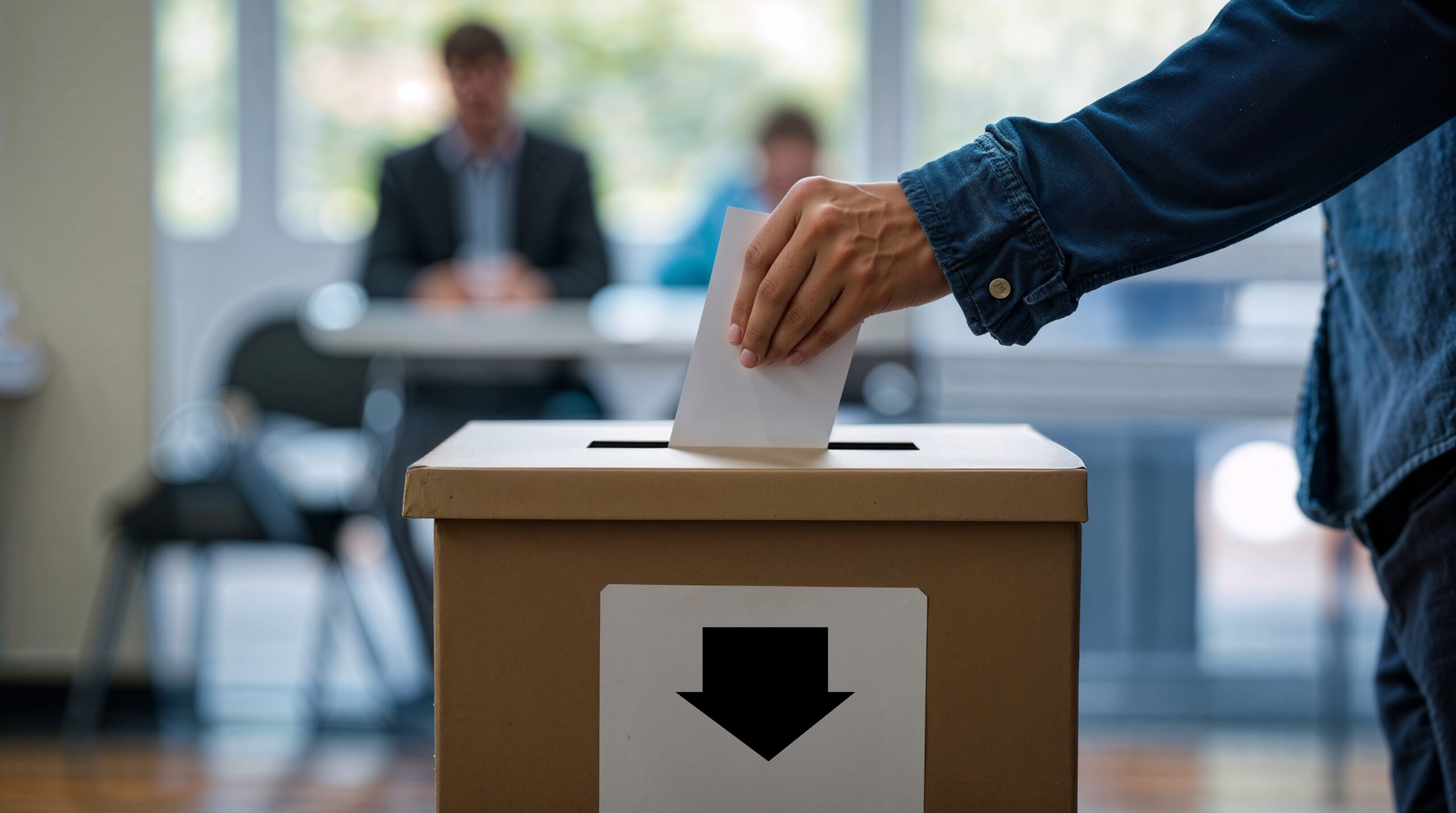
In response to a surge of questions from Grenadian employers regarding workplace rules for employees exercising their constitutional right to vote, the country’s Department of Labour has released a comprehensive official advisory laying out binding legal requirements, worker protections, and practical operational guidance for polling day. Delivering the announcement via the Grenada Information Service (GIS), Labour Commissioner Sparkle Grenade Courtney confirmed that the vast majority of incoming employer queries centered on two core concerns: whether staff must be compensated for time taken away from work to cast a ballot, and how much paid time off for voting employers are legally obligated to provide. To resolve the ambiguity, Courtney cited Section 83 of the Representation of the People’s Act, which explicitly mandates that every employer must grant all eligible voter employees the full legally prescribed window to cast their vote on polling day. The statute strictly forbids employers from making any deductions from a worker’s regular pay or other forms of remuneration, and prohibits imposing any financial or professional penalty on an employee for taking the required time to vote. The law outlines steep consequences for violations: any employer found to directly or indirectly block a worker’s access to voting leave, or interfere with their ability to cast a ballot, faces a maximum fine of $5,000, up to two years of imprisonment, or both penalties. Beyond voting leave rules, Courtney highlighted additional codified legal safeguards designed to protect workers from repercussions related to their political beliefs. She noted that Section 26 of the national Employment Act explicitly bans all forms of workplace discrimination against employees on the basis of their political opinions, a violation that carries a maximum penalty of a $10,000 fine, up to three years of imprisonment, or both. Further, Section 74 of the same Employment Act makes it illegal for any employer to terminate a worker’s employment contract solely due to their political views. Addressing a particularly frequently raised question from daily-paid employers who sought clarification on whether they could withhold pay for hours their hourly staff spent at polling stations, Courtney emphasized that no legal distinction exists between different categories of workers under existing statutes. All employees, regardless of their pay structure, employment classification, or work arrangement, are entitled to full, unadjusted pay for the time allocated to cast their ballot. To help businesses minimize operational disruptions on polling day, the Labour Commissioner also shared a set of actionable best practices, including drafting staff rosters well in advance of the vote, staggering scheduled shifts and break times to ensure coverage across all roles, and sharing clear, timely updates with teams via official work communication channels or widely used platforms such as WhatsApp. Courtney also outlined corresponding responsibilities for employees, noting that workers should first verify their status on the official voter roll and confirm the location of their assigned polling station ahead of election day, and coordinate with their direct supervisors in advance to lock in a mutually convenient time to cast their ballot. She stressed that employees are expected to return to their workplaces immediately after completing their vote, particularly if a substantial portion of their scheduled workday remains. The Labour Commissioner closed her remarks with a formal public appeal to all Grenadian employers to uphold their legal obligations and ensure every eligible worker under their supervision is granted the full, unobstructed time they need to exercise their democratic right to vote.