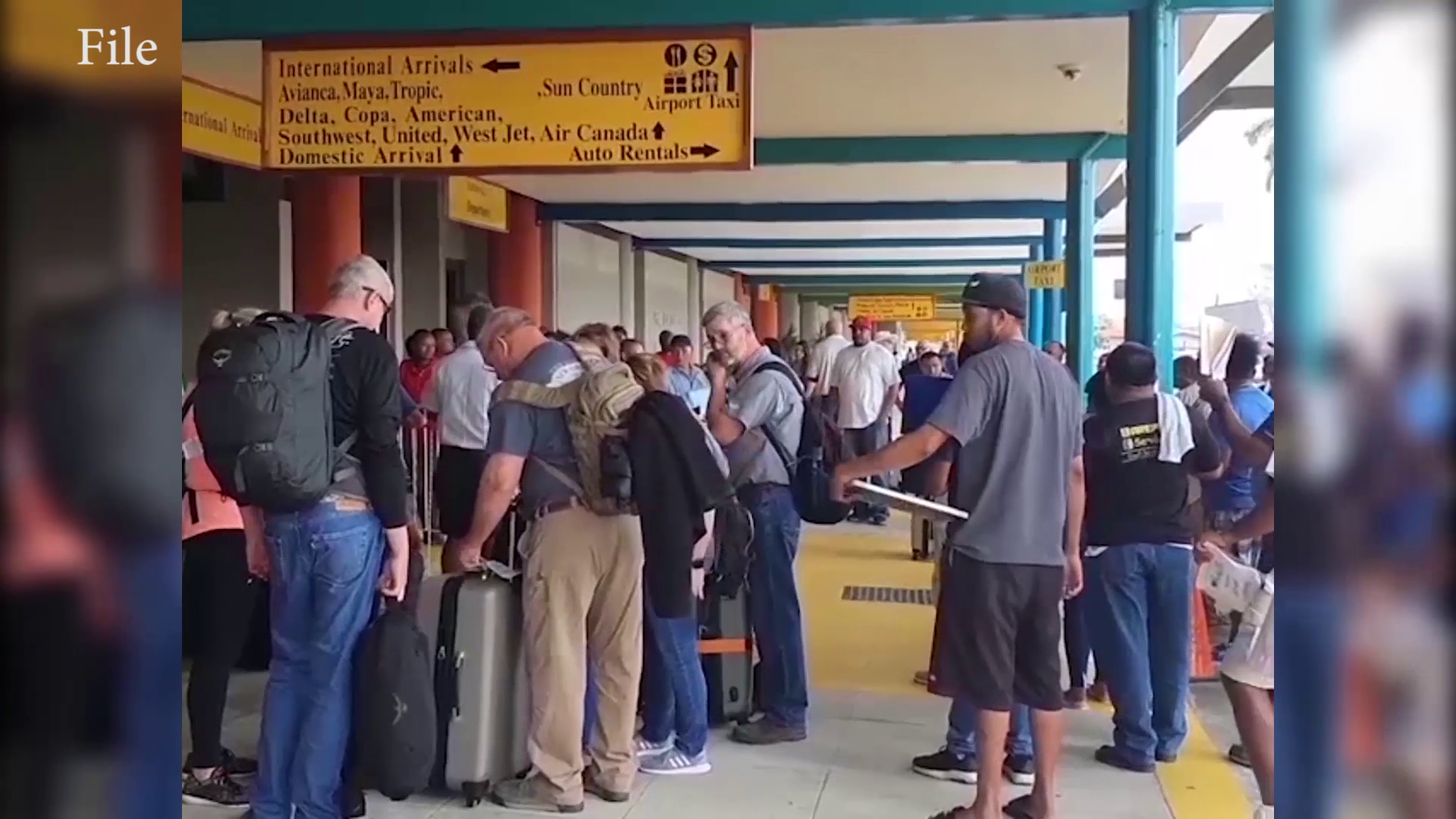
Issued on October 27, 2026, this on-the-ground industry report lays out the current headwinds and emerging recovery trajectory for Belize’s tourism sector, a longstanding cornerstone of the nation’s economy that sustains tens of thousands of local livelihoods and injects tens of millions of dollars in critical foreign exchange annually. The sector recorded a steep 13% year-over-year drop in overnight visitor arrivals over the summer months, with August marking the weakest performance for that month on historical record, according to official assessments from the Ministry of Tourism. Tourism Minister Anthony Mahler outlined that the downturn stems from a confluence of overlapping global pressures, including simmering geopolitical tensions and skyrocketing jet fuel costs that have pushed operating expenses for major international carriers up by as much as 60%. Mahler noted that industry partners ranging from major travel operators like Discover to large airline conglomerates such as the Lufthansa group, which oversees a portfolio of subsidiary carriers, have absorbed billions in unplanned extra costs across their global footprints, forcing them to scale back service to smaller regional destinations temporarily. This summer’s slump differs sharply from the 2025 seasonal slowdown, which was driven entirely by the temporary U.S. federal government shutdown and followed by a sharp, immediate rebound in November of that year. This time, the downturn is broad-based, rooted in widespread global economic headwinds that have suppressed discretionary travel demand across most major source markets. However, industry stakeholders are signaling cautious optimism for the final quarter of 2026, as newly expanded airlift routes and significantly increased available seat capacity to Belize come online. Minister Mahler emphasized that early data points to the sector already stabilizing, with the expanded flight capacity projected to offset earlier losses and drive a meaningful uptick in visitor arrivals through the end of the calendar year. This report is adapted from the evening television newscast transcript, with all statements originally delivered in Kriol transcribed using a standardized official spelling system for accuracy.