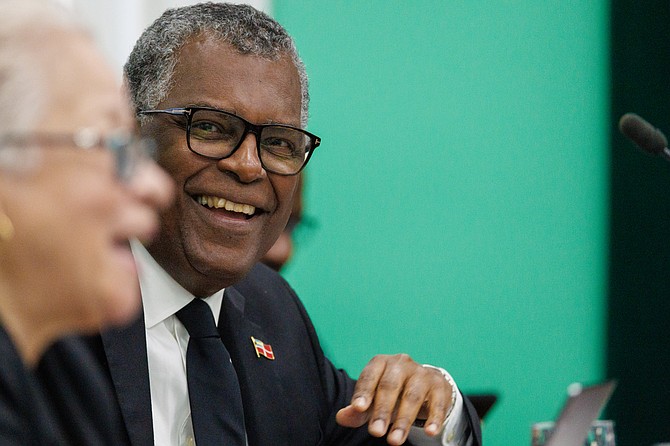
As King Charles III touches down in The Bahamas to kick off his multi-nation Caribbean tour on the first leg of a schedule running through November 4, top government officials remain tight-lipped about the full public price tag of the royal trip, even as they defend the expenditure as a necessary, fiscally responsible gesture aligned with the country’s current constitutional framework. Foreign Affairs Minister Fred Mitchell, a long-standing and vocal proponent of transitioning The Bahamas from a constitutional monarchy to a full republic, told local reporters ahead of the monarch’s arrival that while he personally advocates for severing formal ties to the British crown, his duties as a sitting cabinet minister require him to extend full official hospitality to King Charles, who legally serves as the country’s head of state under existing law. “I am unequivocally in support of The Bahamas becoming a republic, but that is not the constitutional arrangement we operate under today,” Mitchell reiterated, noting that he found public debate over the visit’s costs ironic given the formal status of the visiting head of state. He confirmed that all required resources for appropriate high-level security and national public diplomacy efforts to showcase The Bahamas to international audiences would be allocated, but stated that no consolidated total cost figure has been finalized, and he could not confirm whether line-item expense breakdowns have been completed. Mitchell’s remarks follow comments from Finance Minister Michael Halkitis made to *The Tribune* last month, in which Halkitis revealed that cross-government agencies were still tallying all associated costs, and that expenses would be split between the Bahamian public purse and the UK’s Sovereign Grant — the taxpayer-funded allowance earmarked for the British royal family’s official public duties. No specific split of the shared costs has been released to the public to date. This marks King Charles’ first official visit to The Bahamas since he ascended to the throne following the death of Queen Elizabeth II in 2022, and only his second appearance in the nation overall; his prior 1973 trip saw him represent his mother at The Bahamas’ historic independence ceremonies. The visit has sparked widespread pushback from the Bahamas National Reparations Committee, which argues that public funds should not be directed to hosting royal guests given the UK’s well-documented history of perpetrating the transatlantic slave trade and centuries of colonial exploitation across the Caribbean. The group has renewed longstanding demands for a formal British state apology for colonial-era harms, accelerated action on The Bahamas’ republican transition, and an immediate end to the practice of forcing local taxpayers to cover costs for official royal visits. Buckingham Palace confirmed earlier this month that the King will acknowledge Britain’s role in the transatlantic slave trade during his Caribbean travel, but will not issue a formal public apology for those historical injustices. Criticism of the visit’s associated public spending has also spilled into national parliamentary debates, with Killarney constituency MP Michela Barnett-Ellis raising questions last week about the timing of pre-visit road repairs, noting that ordinary Bahamian residents have spent years petitioning for basic public infrastructure upgrades that have been repeatedly delayed. Mitchell responded to the critique during a House of Assembly session with sharp, satirical remarks, noting that the monarch was arriving in what remains legally his territory under the current constitution and telling the opposing MP not to lodge complaints. For context, official public records show the Bahamian government allocated $636,194 in public funds to cover the 2022 March official visit by Prince William and Catherine, then the Duke and Duchess of Cambridge, with those costs covering security detail, official accommodation, public event logistics, charter travel and other associated arrangements.
Foreign Affairs Minister defends royal visit expenses despite having no total figure