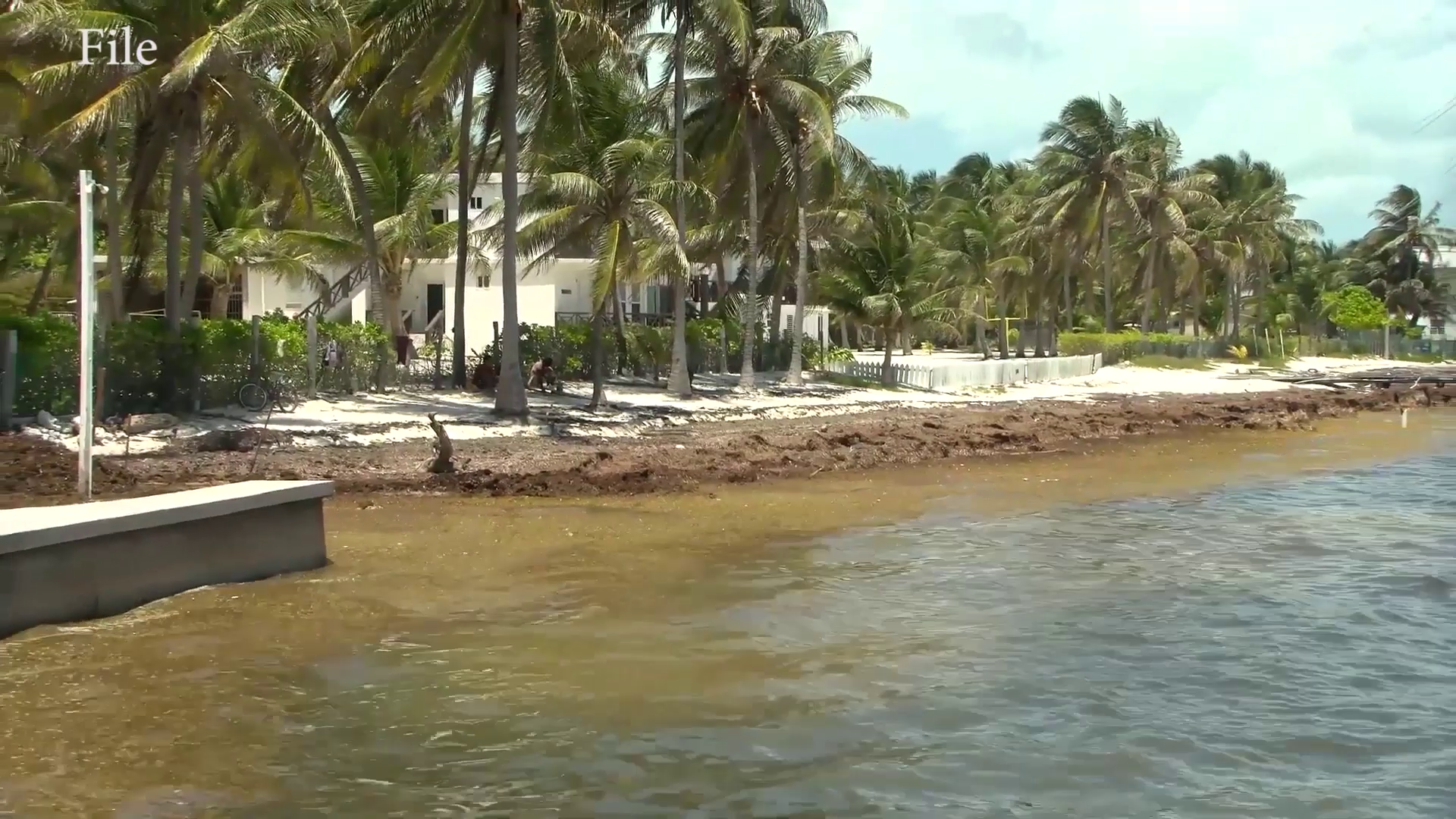
Published on October 26, 2026, this report details an escalating multi-faceted emergency unfolding across Belize’s Caribbean coastline, as massive blooms of sargassum seaweed overwhelm local ecosystems, public health safeguards, and the country’s core tourism-driven economy. National leaders have formally launched a bid for up to $20 million in targeted financing from the World Bank, after prioritizing the crisis for discussion during the recent joint International Monetary Fund and World Bank annual meetings held in Bangkok. Prime Minister John Briceño emphasized that accelerating climate change patterns are supercharging sargassum growth across the entire Caribbean region, turning a once-manageable seasonal nuisance into a cascading national crisis. Tourism Minister Anthony Mahler, who has spent five years advocating for urgent action on the issue, noted that the crisis has long outstripped the bounds of a purely environmental concern. He explained that rotting piles of sargassum that wash up on shore emit foul, acrid odors and leave unsightly, sticky residue that is driving away both international and domestic travelers. Over 70% of all international visitors to Belize plan trips centered on its pristine coastal and island destinations, meaning prolonged sargassum inundation puts tens of thousands of hospitality, recreation, and small business jobs at direct risk. Mahler clarified that the requested $20 million represents only the initial investment needed to deploy specialized sargassum collection and mitigation equipment across the country’s four highest-traffic tourism hubs, with estimated ongoing annual operational costs running between $400,000 and $500,000 to sustain response efforts. He warned that global demand for the specialized cleanup machinery is surging as nearly every Caribbean nation grapples with the same sargassum surge, so immediate action to secure funding and place orders is critical to avoid lengthy delays. Government officials have framed the situation as a combined health, economic, and environmental emergency, calling for coordinated cross-sector collaboration between national authorities, private tourism operators, local community leaders, and international development partners to build long-term coastal resilience against the worsening sargassum threat.