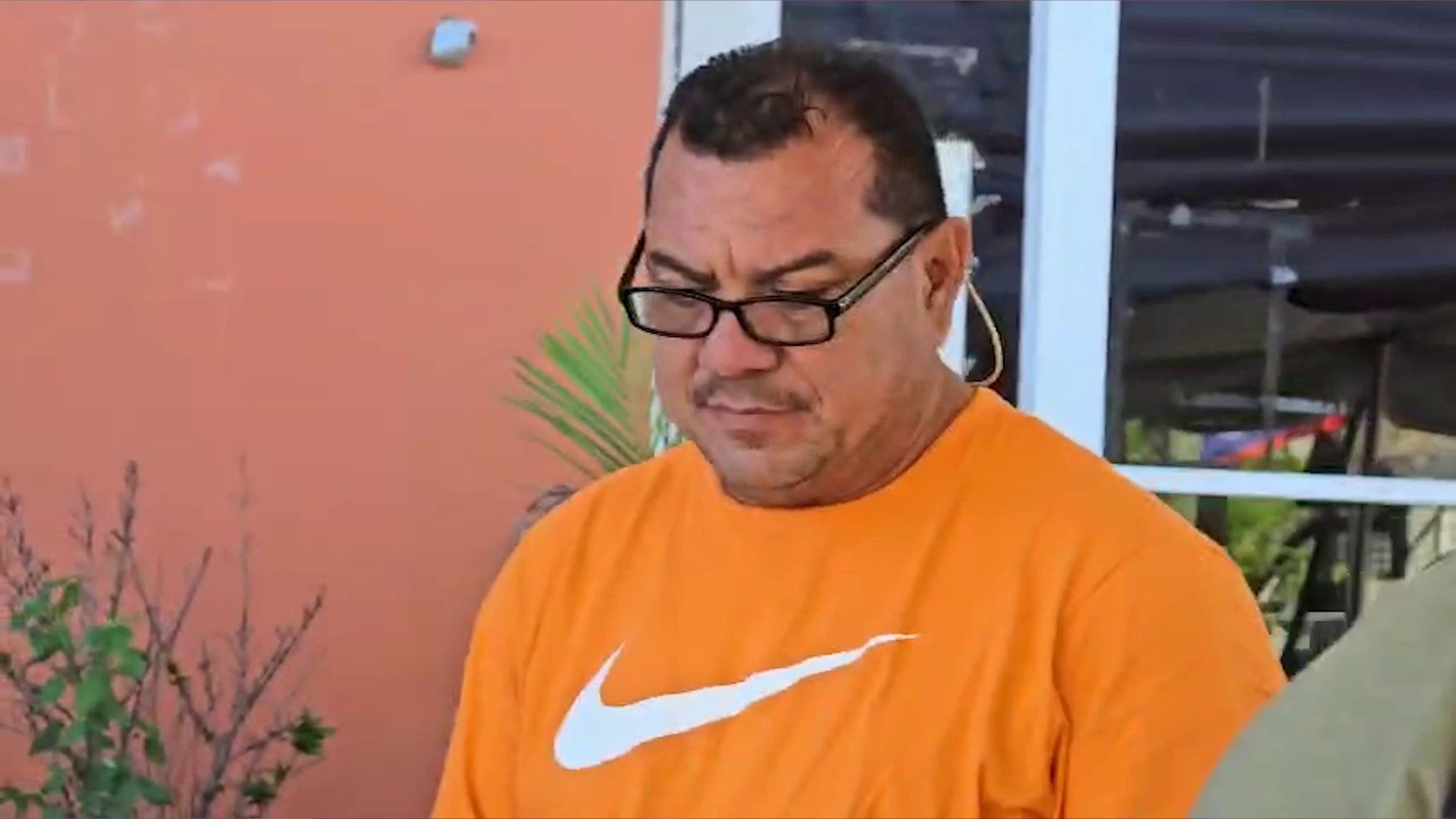
On October 26, 2026, local law enforcement officials announced that a serving police constable assigned to Precinct 4’s fleet management team has been formally arrested and charged in connection with a long-running alleged misuse of an official government fuel card that netted nearly $25,000 in unauthorized gasoline for non-official vehicles. According to official statements, Constable Roberto Hoare, who oversees fuel distribution for the precinct’s police vehicle fleet, is accused of using a department-issued fuel card to dispense approximately 1,800 gallons of fuel for unapproved vehicles, including a civilian passenger bus, over a seven-month window stretching from March 2026 through October 2026. The scheme first came to the attention of investigators on October 20, 2026, when officers witnessed an attempted use of the government fuel card to refuel the unrelated passenger bus, triggering a full audit of the card’s transaction history. During the subsequent probe, investigators made a key discovery: the specific police vehicle the fuel card was originally assigned to had been taken out of service and decommissioned back in March 2026, meaning every gallon of fuel purchased on the card in the months after that date was for unauthorized, non-official use. ASP Stacy Smith, a senior staff officer leading the investigation, confirmed that the evidence gathered during the review directly led to Hoare’s arrest on theft charges. Hoare has since been processed through the local justice system and released on bail, with his legal team preparing to contest the allegations in upcoming court proceedings. His defense attorney, David McKoy, noted that the case presents unusual circumstances, pointing out that formal checks and balances are supposed to prevent unauthorized fuel card usage for fleet managers. McKoy also emphasized that initial evidence presented by prosecutors does not explicitly prove Hoare personally used the card to siphon fuel for personal profit, stating that his team will reserve further detailed comment until the case moves through the formal court process. The announcement was made as part of the local evening television newscast, which noted that any segments featuring Kriol speakers were transcribed using a standardized, accessible spelling system for online publication, with the full unedited broadcast available for viewing on the news outlet’s official platform.