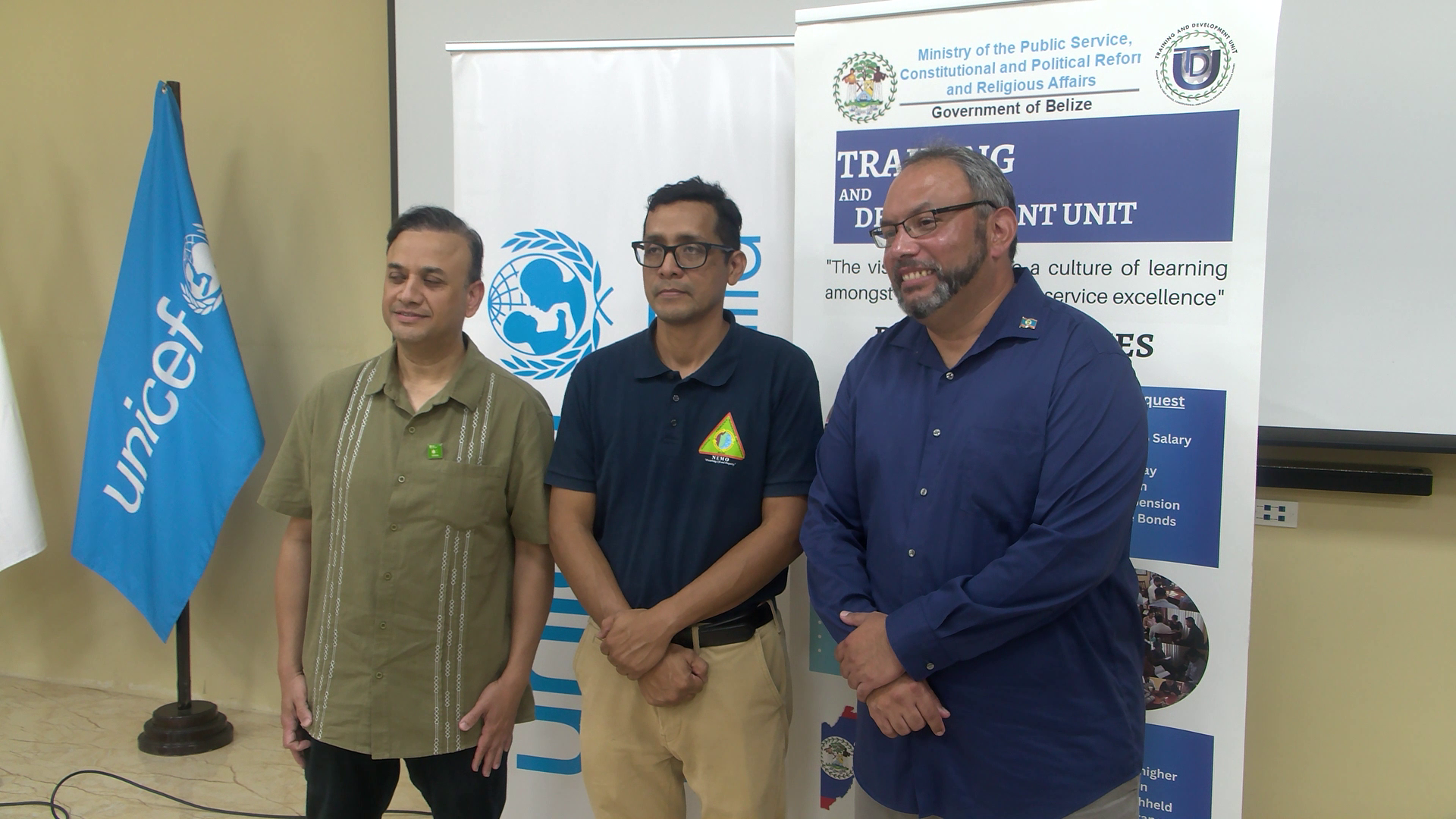
On October 26, 2026, Belize’s National Emergency Management Organization (NEMO) and the United Nations Children’s Fund (UNICEF) formalized a landmark collaborative agreement at a signing event held in the capital city of Belmopan, designed to overhaul the country’s national emergency shelter network to better serve at-risk populations during climate and disaster events. The public initiative centers on two interconnected priority areas, as outlined by Henry Charles Usher, Belize’s Minister of Disaster Risk Management. The first pillar targets targeted infrastructure investment: dedicated funding will go toward renovating, retrofitting, and expanding existing public shelters to ensure full accessibility for people with disabilities, small children, pregnant people, and other marginalized groups that face disproportionate risk during storms, floods, and other crisis events. The second pillar focuses on workforce capacity building: a newly developed specialized shelter management training program is already underway for public sector staff, equipping them with standardized protocols for shelter activation, on-site operations, incident reporting, and equitable resident support when disaster strikes. Sajid Ali, UNICEF’s Representative for Belize, emphasized that the partnership also includes the rollout of a public-facing digital shelter dashboard hosted on NEMO’s official website. The tool will allow all residents to pre-locate, verify the accessibility features of, and confirm capacity at nearby designated emergency shelters well before a disaster warning is issued, eliminating the dangerous last-minute scramble for safe housing that often endangers families during extreme weather. NEMO National Coordinator Daniel Mendez noted that the child-centric framework of the collaboration addresses a well-documented global gap in disaster response: children are statistically among the groups most severely impacted by sudden climate and emergency events, and the updated shelter standards will include dedicated safe play areas, child-friendly hygiene facilities, and family separation prevention protocols to reduce harm for young populations. The formalized partnership builds on years of informal joint work between the two agencies, and marks a new phase of coordinated investment to raise Belize’s national disaster preparedness baseline across all communities.