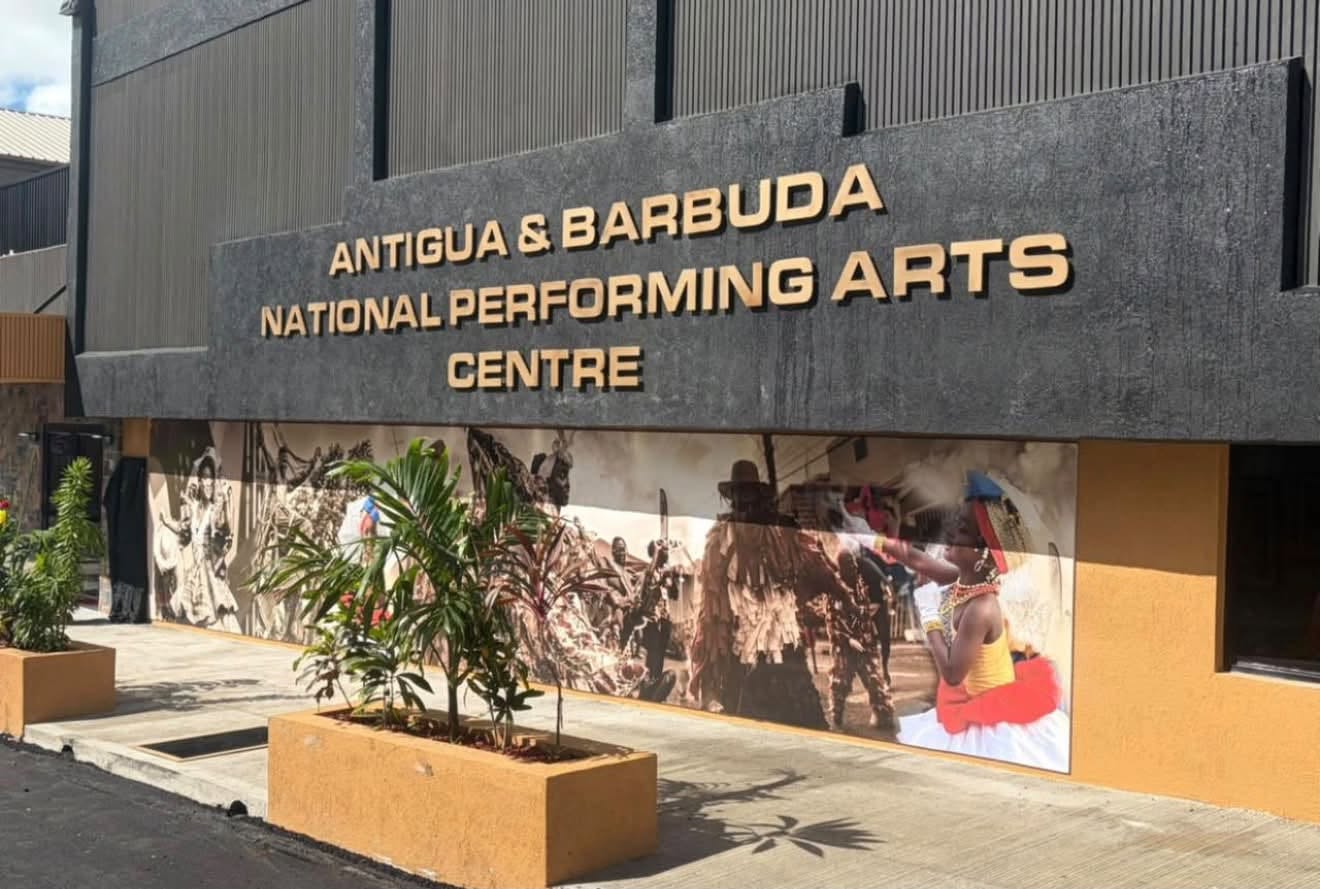
At the official ribbon-cutting ceremony for Antigua and Barbuda’s long-awaited National Performing Arts Centre on Friday, Prime Minister Gaston Browne unveiled a sweeping new phase of development for the cultural hub, outlining targeted expansions that position the nation’s creative heritage as a core driver of sustainable economic growth. The newly launched facility, repurposed from the historic former Deluxe Cinema, will serve as a dedicated permanent venue for local music, traditional dance, indigenous theatre and oral storytelling performances, designed to nurture emerging talent and preserve the archipelago’s unique cultural legacy for future generations.
Browne confirmed that the government has already secured a nearby adjacent property to transform into a state-of-the-art creative arts studio, and has issued formal directives to acquire a second adjoining structure to extend the cultural complex’s footprint even further. The prime minister traced the origins of the transformative project back eight years, when the administration first moved to purchase the derelict cinema for a $6 million price tag he noted was heavily discounted, delivering an estimated $5 million in added net value for the public that far exceeded initial public expectations.
Addressing longstanding partisan pushback against the initiative, Browne forcefully refuted unsubstantiated allegations of corruption and nepotism that had circulated among political opponents over the project’s multi-year development timeline, dismissing the criticisms as deliberate misinformation. “We refused to be derailed by that noise and negativity, and today we stand proud to deliver this landmark investment for our people,” he stated during his address.
Framing the creative sector as far more than a symbolic marker of national identity, Browne emphasized that the government views cultural output as a high-value, underutilized economic asset that will be leveraged to boost the country’s global tourism appeal, generate stable formal and freelance jobs, and catapult local artists onto the international stage. The overarching policy goal, he explained, is to remove longstanding structural barriers that have prevented many creative workers from turning their craft into a viable full-time livelihood, while fostering new entrepreneurship opportunities across the cultural industries.
Browne further tied the expanded performing arts ecosystem to national public safety priorities, noting that structured access to creative programming will provide at-risk young people with positive, productive outlets to channel their energy, build professional discipline and self-confidence, and reduce youth engagement in crime and community violence.
The $6 million core cinema acquisition was supplemented by significant external partnerships, Browne acknowledged, with global firm Philip Morris contributing over $4 million to the construction and renovation works, and the Government of the United Arab Emirates providing an $800,000 grant to support facility upgrades. He extended formal recognition to Works and Housing Minister Maria Browne, Minister Rawdon Turner, project lead Cynthia Laviscount, and the cross-departmental construction and public works teams that delivered the facility on a functional timeline despite prior delays. Browne closed his remarks by stressing that the centre’s true success will never be measured by its architectural grandeur or high-end technical equipment alone, but by the tangible livelihood gains it delivers for local creators and broader community benefits it generates across Antigua and Barbuda.