For agricultural producers across rural Toledo, 2026 has brought a devastating one-two punch from increasingly volatile weather patterns linked to El Niño. What was initially projected to bring a straightforward drought has instead delivered whiplash conditions: first, record-breaking intense rainfall that has flooded newly planted fields, rotted emerging crops, and left vast swathes of farmland too waterlogged for new planting. Now, forecasters are warning that a sudden shift to severe dry conditions is on the horizon, threatening to deliver a final blow to already battered production levels.
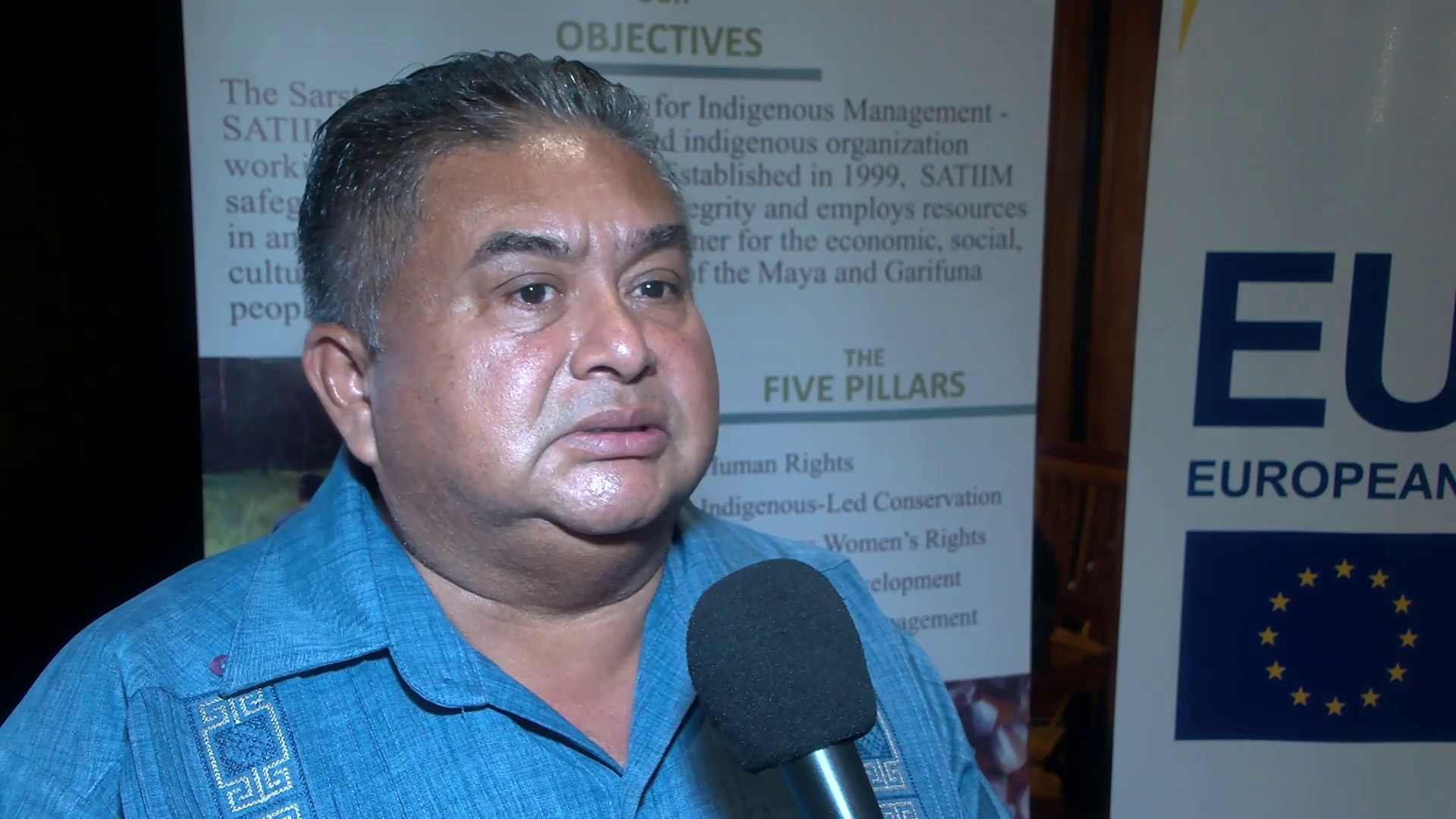
Toledo West Area Representative Oscar Requena has sounded the alarm over the cascading risks of this unpredictable weather, warning that the crisis does not just threaten individual farm incomes—it puts regional food security at stake. In an interview, Requena explained that local farmers were ill-prepared for this erratic swing between extreme moisture and extreme aridity. Many producers lost entire early plantings to flooding, leaving them with no buffer to absorb the coming drought that climate experts have predicted for the region. Without immediate intervention, Requena said, many small-scale farmers could lose their livelihoods entirely.
“Most people expected that El Niño would bring drought, we have not really seen drought. What we have seen is a lot of rains, a lot of rain and very intense rain,” Requena said. “So certainly that has affected the farmers because sometimes when they plant, the crops don’t come. You’ve seen cases of flooding affecting farmers who have just planted. And essentially farmers are not adequately prepared because if we do get, which we are, experts are predicting that we are going to get some drought, some very intense dry weather. It is going to affect production. It is going to affect food security. So our farmers require support, particularly to find alternative ways in which they can ensure that there is adequate water to be able to ensure that their crops, that their vegetables can grow.”
When asked about what government support is in the works for Toledo’s farming community, Requena noted that the national government has already rolled out emergency assistance programs for agricultural producers in the Belize, Cayo, and Orange Walk districts. He added that technical teams from the Ministry of Agriculture and partner supporting organizations are currently assessing needs across other affected regions, including Toledo, to determine the most effective forms of targeted aid. For farmers already on the brink of financial collapse, the coming weeks will be critical to securing the support they need to adapt to El Niño’s extreme impacts and protect their harvests for the year.