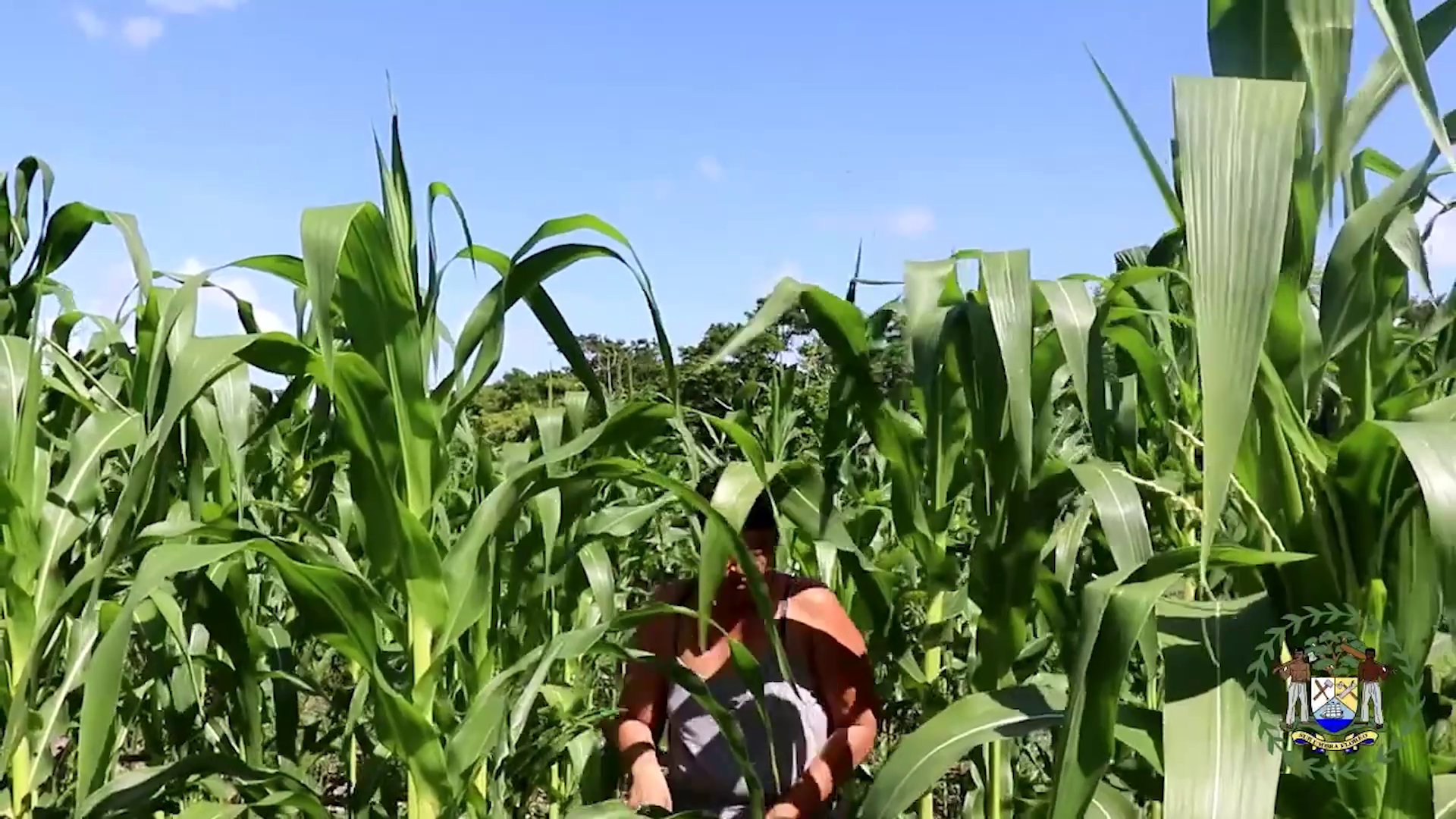
As small-scale agricultural producers across Belize continue to grapple with growing climate volatility, the Central American nation is actively pursuing an extension of a $50 million climate-resilient agriculture initiative backed by the World Bank, Prime Minister John Briceño has confirmed. The request for additional funding and extended timelines came out of high-level discussions Briceño held during recent diplomatic meetings in Bangkok, where he laid out the case for continued support to strengthen Belize’s food system against extreme weather events.
A World Bank technical delegation is scheduled to arrive in Belize as early as next week to conduct an on-the-ground evaluation of the first phase of the project, which is set to conclude in March of next year. The team will review outcomes delivered to date, map gaps in current support for smallholder farmers, and assess the need for continued investment to build out climate-smart practices across the country’s agricultural sector.
Briceño explained that the original five-year project was designed to help small-scale producers adopt climate adaptation strategies and integrate low-carbon technological solutions to improve productivity amid shifting weather patterns. However, implementation hit early hurdles, with the prime minister noting that international financial institutions (IFIs) including the World Bank often impose overly rigid restrictions and overly tight timelines that do not align with on-the-ground operational realities in small developing nations like Belize.
“After working through those initial bottlenecks and streamlining the disbursement process, we have finally hit our stride, but the project is already scheduled to wrap up next spring,” Briceño said, emphasizing the critical need for an extension of the original loan to lock in early gains and expand support to more farming communities. “For our agricultural sector, additional funding would mean more resources to help producers withstand droughts, hurricanes and other extreme weather events that have become increasingly frequent due to climate change, protect domestic crop output, and shore up Belize’s long-term national food security.”
The upcoming on-site assessment will play a key role in determining whether the World Bank approves Belize’s request for extended support, marking a critical next step for the country’s efforts to build a more resilient and sustainable agricultural economy.