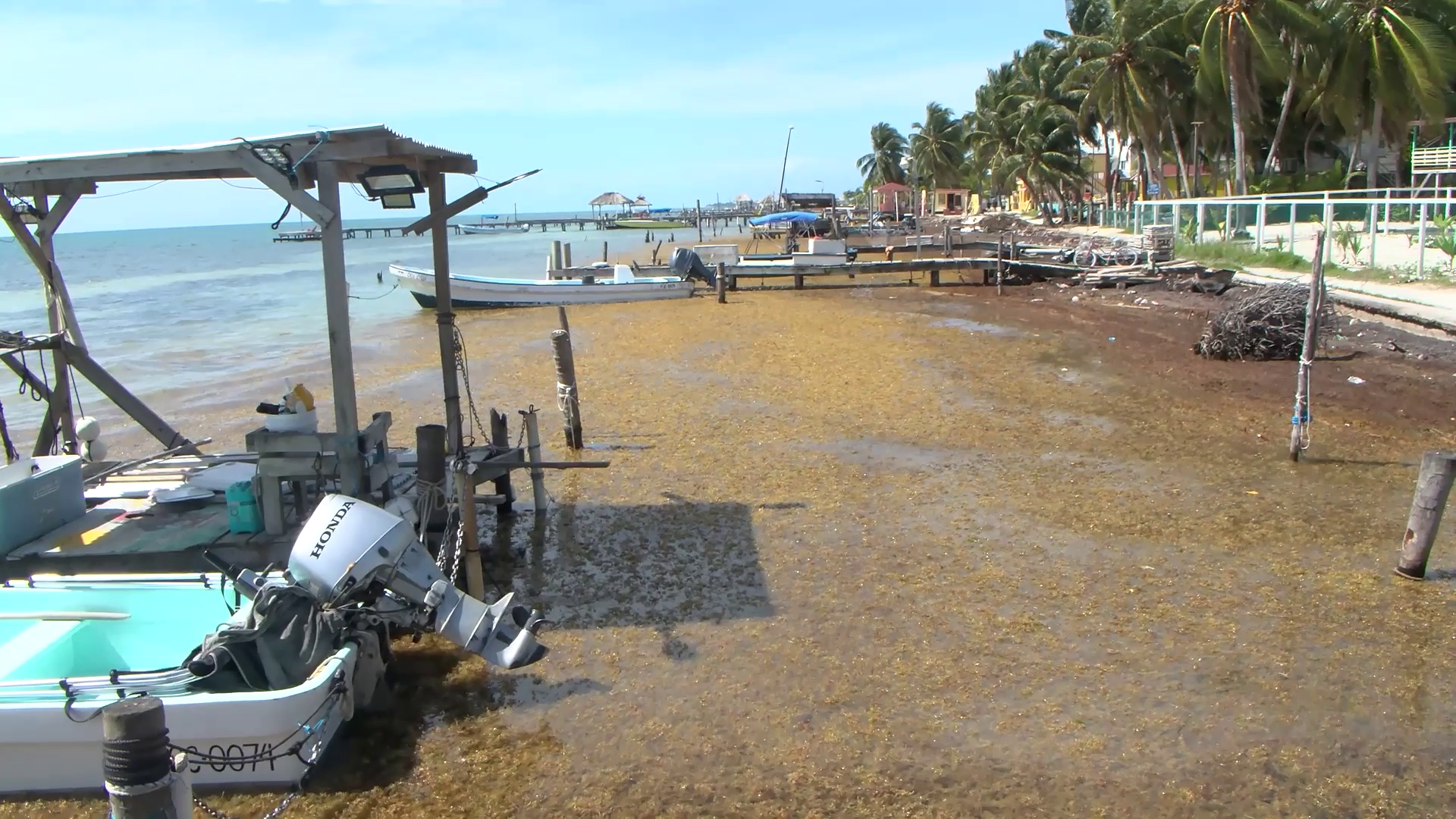
In a major development announced on October 21, 2026, the Central American nation of Belize has secured a $20 million low-interest financing package from the World Bank to address its rapidly worsening sargassum inundation crisis, a pressing environmental threat that has crippled coastal economies across the Caribbean region.
Prime Minister John Briceño confirmed the agreement following high-level diplomatic discussions held in Bangkok, Thailand, noting that the funding will be disbursed in tranches, with an initial $5 million set to arrive first to kickstart immediate response efforts, followed by additional installments that will bring the total commitment to $20 million. The loan also carries flexible, long-term repayment terms designed to ease the burden on Belize’s public budget as the country confronts this growing environmental challenge.
Briceño emphasized that sargassum accumulation is not a problem unique to Belize, but a shared regional crisis tied directly to human-driven climate change. He pointed out that small island and coastal nations like Belize, which have contributed the least to global greenhouse gas emissions, are now bearing the brunt of climate impacts ranging from extreme flooding and erratic weather patterns to the exploding sargassum blooms that have overrun once-pristine shorelines.
The announcement has injected new optimism into Belize’s coastal communities and tourism industry, two groups that have suffered severe economic losses from massive sargassum landings in recent years. Rotting sargassum not only drives away beach-going tourists but also damages critical marine ecosystems, destroys fishing grounds, and poses public health risks to local populations. For an economy that relies heavily on nature-based tourism, the crisis has threatened the livelihoods of thousands of workers across the country.
Even as stakeholders welcome the new funding, the financing package has sparked legitimate questions about the long-term sustainability of Belize’s national sargassum strategy. Community leaders and policy analysts are calling for full transparency around how the $20 million will be allocated, pushing for commitments that the funding will support long-term, prevention-focused solutions rather than just short-term clean-up efforts that fail to address the root causes of recurring blooms. As regional climate impacts continue to intensify, all eyes will be on Belize to see if this significant investment will deliver the durable, scalable solution that coastal communities so urgently need.