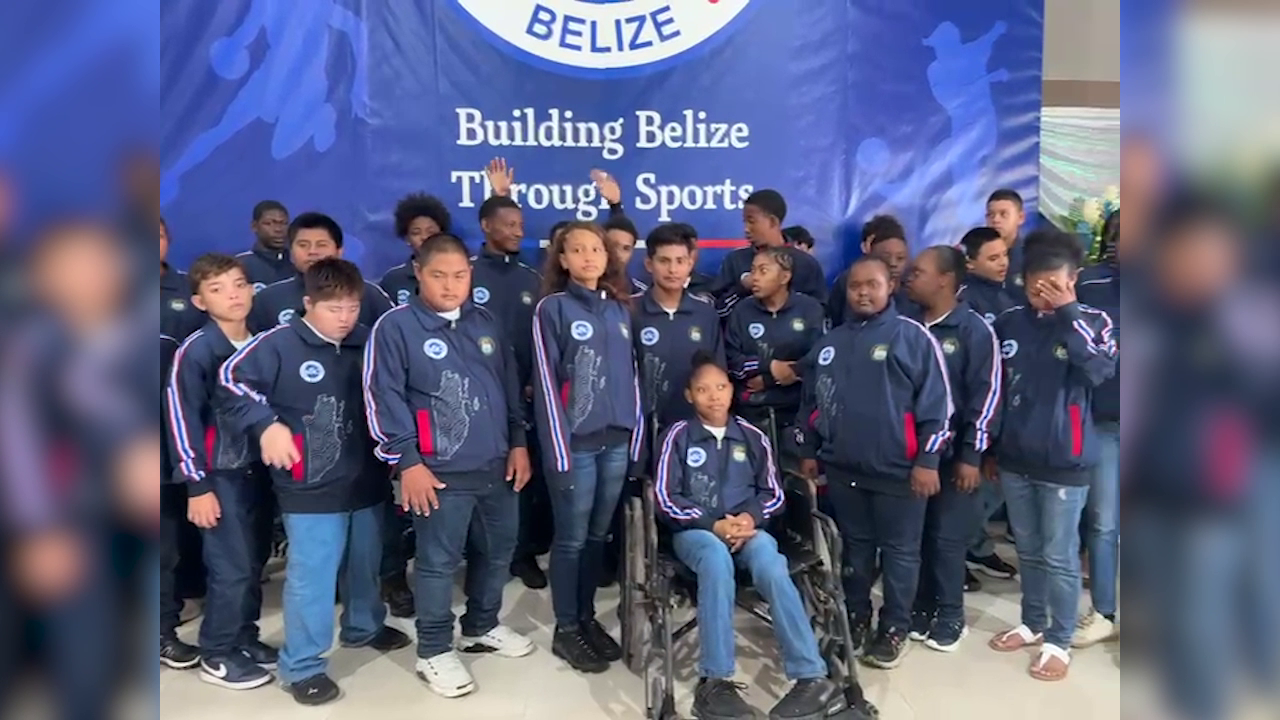
A new chapter of competitive pride is about to unfold for Belizean adaptive sports, as 34 local athletes with disabilities prepare to compete at the 2026 CODICADER Disability Games, hosted this year in neighboring Guatemala. The delegation received an official send-off during a public ceremony organized by Belize’s National Sports Council this past Saturday, ahead of the tournament’s opening round scheduled for Sunday.
This outing marks the third time Belize has fielded a national team for the regional competition, which was created to bring together young para-athletes from across the Central American region to showcase their talent and build cross-border connections. The 34 athletes traveling to Guatemala hail from 10 different schools spread across four Belizean districts: Belize, Cayo, Toledo, and Orange Walk. Over the course of the games, they will test their skills across three competitive events: track and field athletics, boccia, and goalball.
Speaking at the send-off ceremony, Belize’s Minister of Sports Anthony Mahler offered encouraging remarks to the departing delegation, highlighting the transformative power of athletic participation beyond competition. “Sports provides discipline. It provides opportunity for you to travel. It provides opportunities for you to meet other people. It provides for you to express yourself, burn energy, learn a lot of things, like he and I did when we were playing sports growing up,” Mahler told the team.
Closing his address, Mahler urged the athletes to carry national pride with them as they compete, noting that the entire country stands behind their effort. “All I want to say today, and I won’t be long, is for you to represent yourselves at the highest level. Represent your families, represent your country, represent your schools, represent all of us. You are a reflection of all of us. We appreciate you. We respect you. We care for you, and we want to wish you all the best in the upcoming events as you travel. Safe travels, and I look forward to a lot of medals, right?”
This report is a transcript of an evening television broadcast prepared for online publication, with Kriol-language remarks transcribed using a standardized spelling system for accessibility.