Trinidad and Tobago is taking bold steps to unlock the tourism and economic potential of two of its most high-value hospitality assets, with the government set to issue a global call for private investors to acquire the iconic Hilton Trinidad and the Magdalena Grand Beach and Golf Resort.
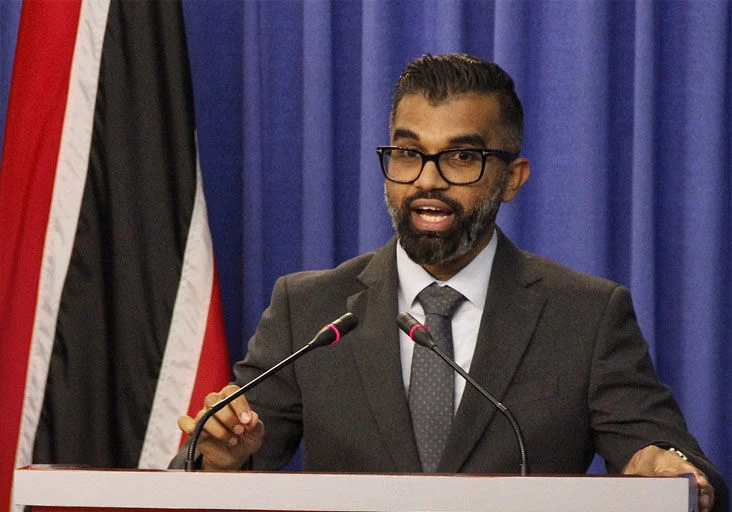
Land and Legal Affairs Minister Saddam Hosein, who oversees the state enterprise e TecK responsible for managing the properties, has expressed strong confidence that the hotels’ prime locations, inherent tourism appeal, and underexploited commercial value will draw robust interest from both local and international investment groups. After years of persistent financial losses that have drained public funds, the government is moving decisively to transfer full ownership of the properties to private hands, a shift that will bring in fresh capital, upgraded operational leadership, and a clear path to long-term profitability.
Hosein emphasized that state management of commercial hotels is fundamentally misaligned with responsible public resource stewardship, pointing to the consistent heavy losses that taxpayers have been forced to cover, particularly at the Tobago-based Magdalena resort. For Hilton Trinidad, located on a scenic hillside overlooking Port of Spain in the heart of the capital, Hosein noted that the property remains one of the nation’s most valuable tourism assets. However, he blamed mismanagement by the previous People’s National Movement (PNM) administration for the property’s gradual decline over recent years, recalling that the former government announced a $400 million Property Improvement Plan for the Hilton but never secured the required financing to move the project forward.
“The prime minister has made clear that the state should not be in the business of running hotels,” Hosein shared in a telephone interview with the *Sunday Express*. “We firmly believe that placing these assets in the hands of private investors will lead to far more productive management of these critical state resources.”
Preparatory work for the sales process is already underway, with formal Expressions of Interest (EOIs) set to be launched in the near future. The government is casting a wide global net to find qualified buyers, opening the competitive bidding process to investors from all major international markets, as well as local entities. Discussions are already planned with Hilton, the current operator of the Port of Spain property, to align on next steps for the asset once the sale is finalized. To boost global outreach, Foreign and Caricom Affairs Minister Sean Sobers will leverage Trinidad and Tobago’s global network of embassies and diplomatic missions to spread awareness of the investment opportunity to prospective buyers across key international tourism and real estate markets.
Turning to the Magdalena Grand Beach and Golf Resort, Hosein highlighted that this iconic Tobago property carries massive untapped potential, even with a long history of financial struggles. Located in a central position on the island, the resort boasts direct beach access and is home to one of the most highly regarded golf courses in the entire Caribbean – natural advantages that make it an extremely attractive acquisition for investors looking to establish or expand their presence in the competitive Caribbean tourism market. Hosein noted that the resort’s existing high-quality infrastructure and natural assets create a ready-made foundation for private investors to turn the property into a profitable, world-class destination.
He pointed out that the previous PNM administration repeatedly attempted to divest the Magdalena resort but failed to complete a sale, in large part because of a confusing, poorly structured EOI process that deterred serious investors. “The old EOI had three overlapping options: investors could act as an operator, buy the asset, or lease it,” Hosein explained. “That was unnecessarily confusing for prospective buyers, which is why no deal ever went through.” This time around, the current government has eliminated that uncertainty by designing a streamlined process with a single clear goal: the full divestment and sale of both properties to qualified private buyers. This straightforward approach, Hosein said, will make the opportunity far more appealing to serious, committed investors.
When asked to disclose the estimated market valuation of the two hotels and the government’s target revenue from the sales, Hosein declined to release any specific figures, noting that valuation details are sensitive, confidential procurement information that will be integrated into the evaluation phase of the tender process. “I cannot reveal this information because it forms part of the evaluation criteria once we reach the tender and disposal stage,” he explained. “I do not want to compromise the integrity of the procurement process by releasing sensitive information prematurely.”
Hosein stressed that the planned divestment is far more than a simple sale of state assets: it is a strategic move to unlock the commercial potential of two world-class properties while eliminating a long-standing drain on public finances. Private investment, he argued, will bring the fresh capital, industry expertise, and operational excellence needed to reposition both hotels as premier hospitality destinations in the Caribbean. In the long term, the move is expected to deliver broad benefits to Trinidad and Tobago, from reduced public spending and increased government revenue to expanded tourism development opportunities and stronger economic growth. Ultimately, the goal is to transform two valuable but underperforming state-owned assets into thriving, privately managed hotels that contribute far more meaningfully to the national economy, rather than continuing to burden taxpayers with persistent losses.