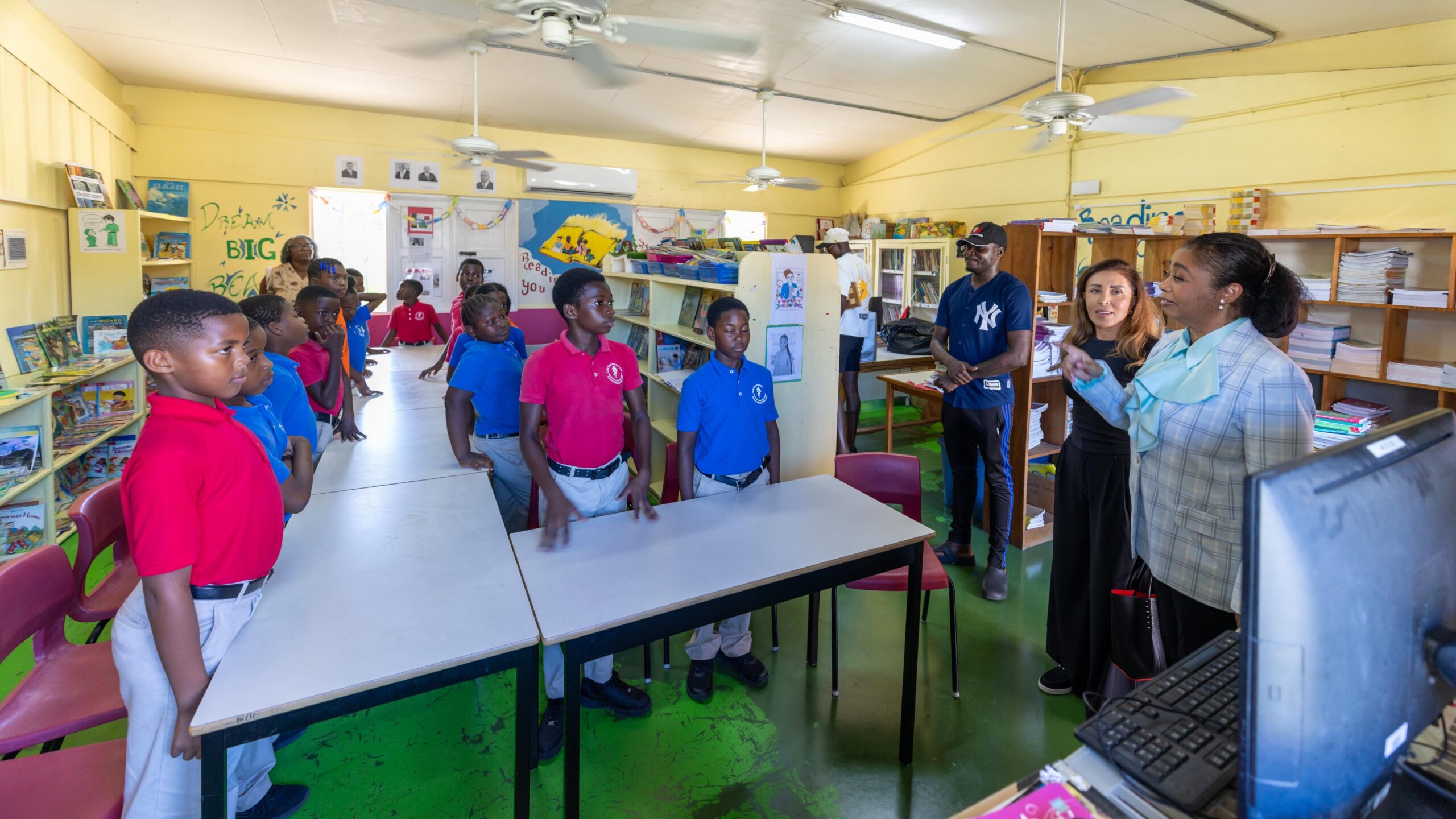
A high-profile delegation from the Halo Foundation has recently concluded a working visit to Cedar Grove Primary School, where the visiting dignitaries delivered a transformative donation: 20 new chess sets for two campus educators and the institution’s student Chess Club. This contribution eliminates the equipment shortage that previously limited the club’s after-school strategic programming, allowing the popular student activity to expand its reach and operate more effectively moving forward. Beyond just a gift of gear, the donation highlights the growing recognition of inclusive, extracurricular programs that drive both academic advancement and holistic character building for young learners. Beyond the donation ceremony, the visit featured productive, solution-focused discussions between the visiting delegation and the school’s senior leadership and instructional staff. Her Excellency Lady Sandra Williams and Lady Mahasen Hadeed, leading the Halo Foundation delegation, met with Headmistress Mrs. Anthony and Class Teacher Mrs. Gonsalves to map out future collaborative support. The two sides explored how the foundation and its community partners can roll out small, targeted initiatives customized to the school’s unique needs, all aimed at elevating day-to-day learning experiences for students across campus. Far more than a recreational pastime, chess is universally acknowledged as a structured cognitive activity that cultivates deliberate thinking, long-term planning, and strategic learning skills in children. Regular engagement with the game helps young learners build a core skill set that translates to success both inside the classroom and in their personal lives outside of school. Chess requires players to constantly assess board positions, weigh the potential consequences of every move, and make evidence-based decisions, which over time builds a sustained habit of thoughtful problem-solving rather than impulsive reaction. Among its wide range of cognitive benefits, chess also reinforces understanding of pattern recognition, spatial relationships analogous to core geometric concepts, and logical sequencing. Regular players often report and demonstrate growing confidence when tackling complex puzzles and structured reasoning tasks, translating these skills to core academic subjects. Addressing students directly during the visit, Lady Williams underlined that programs like the school’s Chess Club support holistic child development, advancing growth not just academically, but also mentally and socially. “Education is not bounded by textbooks and four classroom walls,” she explained. “It is also about giving young people access to activities that sharpen their minds, build unshakable confidence, and nurture strategic thinking. We are proud to stand with Cedar Grove Primary School, and to equip the Chess Club with the tools they need to learn, grow, and reach their full potential.” Echoing this sentiment, Lady Mahasen Hadeed added: “When we encourage children to think critically and creatively, those benefits ripple out into every area of their lives. We cannot wait to watch the Chess Club flourish, and we are committed to continuing our support for the school through additional targeted initiatives that create real, lasting change.” Cedar Grove Primary’s leadership team expressed warm gratitude for the delegation’s ongoing commitment to the school’s success, noting that the new chess sets open meaningful new opportunities for enriching after-school learning that will benefit students for years to come.