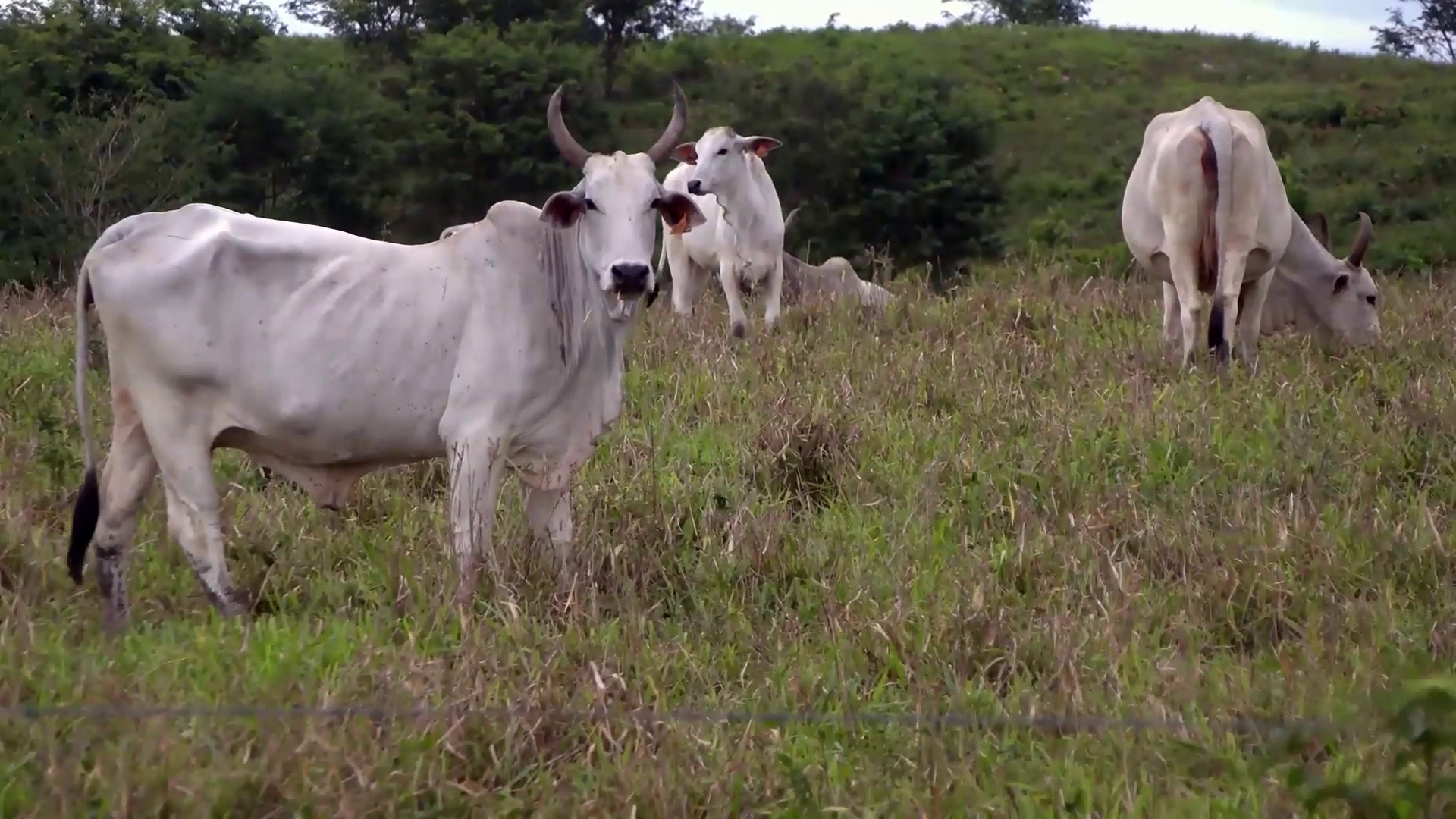
Belize’s cattle industry is on the cusp of a major transformative shift, as Agriculture Minister Rodwell Ferguson has announced plans for a new beef-processing facility to be constructed in Fireburn, a community located in the country’s northern Orange Walk District. Backed by private investors, the project aims to position the Central American nation as a competitive player in the international beef trade by meeting stringent United States Department of Agriculture (USDA) quality and safety standards — a certification that would open export doors to nearly every global market, according to Ferguson.
Currently, most of Belize’s cattle are shipped live across its border to Mexico under a long-standing legal trade agreement that allows for 10,000 head of cattle to be exported annually. Ferguson emphasized that this existing arrangement will remain unchanged despite the new processing project. The country currently boasts a national cattle herd of 217,000 head, creating enough existing supply to support the new local processing operation, which will focus exclusively on producing prepared meat cuts for export rather than shipping live animals.
Ferguson noted that Belize’s beef already offers a quality advantage: the nation’s cattle produce marbled meat that meets high consumer standards for flavor and texture. Over the past two months, the minister has established formal partnerships with agricultural stakeholders in Kansas City, Kansas, a major hub for the U.S. beef industry. Representatives from these U.S. partners are already active on the ground in Belize, and project development is moving at a rapid pace.
Groundbreaking on the facility will begin as soon as investors complete all required local regulatory approval processes. The project timeline targets full completion of the processing plant within three years of breaking ground. Once operational, the plant is expected to not only expand Belize’s export reach to key markets including CARICOM, Central America and beyond, but also add value to the nation’s domestic cattle industry, creating new economic opportunities for local producers along the supply chain.