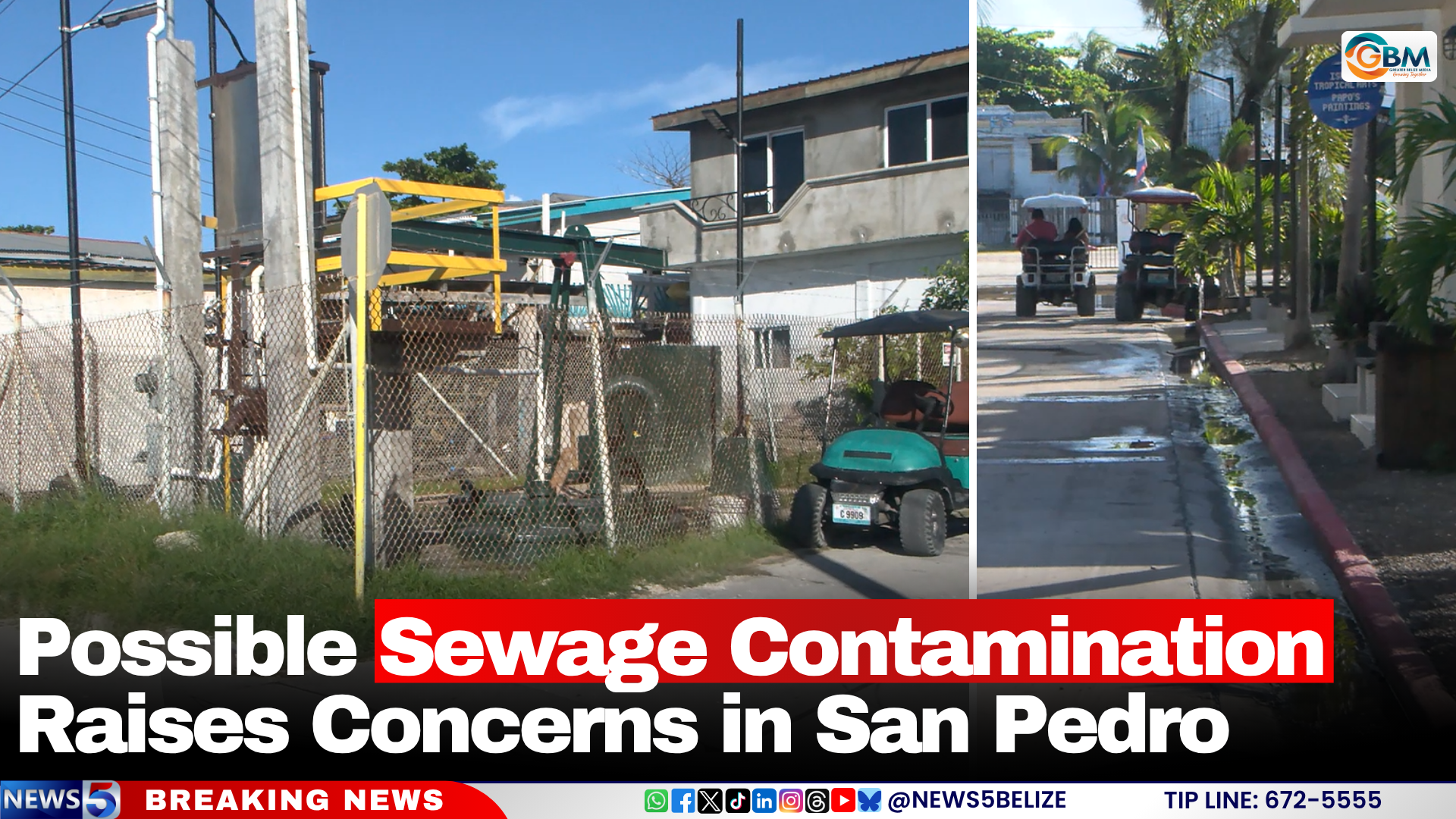
On the Caribbean island of San Pedro Town, a potential sewage contamination incident sparked public concern in mid-October 2026, after local residents and business owners reported a persistent foul stench and possible water pollution linked to unusually high seasonal tides.
Belize Water Services (BWS), the country’s national water utility, has stepped forward to explain the event, tracing the problem back to a submerged manhole in the popular Embarcaderos neighborhood. Eric Rhaburn, BWS’s Water and Wastewater Operations Manager overseeing the Cayes and West region, clarified that the tidal surge overwhelmed the infrastructure when the manhole near Station Three on Nurse Shark Street was fully submerged. The rising seawater pushed into the sewage system, causing hydraulic overloading that led to localized surface overflow. He emphasized that the incident was not the result of any mechanical failure at the nearby pump station, contradicting early speculative concerns about equipment malfunction.
In response to resident complaints, officials from Belize’s Department of the Environment (DoE) conducted an on-site inspection of the affected area on the Saturday following the first reports. During their visit, inspectors did not detect any solid waste deposits that would indicate a raw sewage discharge, and they noted no lingering foul odor by the time of their assessment. However, Rhaburn confirmed that no formal laboratory testing for microbial or chemical contamination was carried out to confirm whether any harmful pathogens or pollutants were present in the overflow water.
As a proactive precautionary measure, BWS immediately dispatched a team to disinfect the entire affected area, and deployed multiple septic pumping trucks over the weekend to clear excess water from the submerged manhole. As of October 14, the utility confirmed that these trucks remain on standby in the area to address any recurring issues as tidal patterns shift. The utility also noted that tide levels have receded back to normal ranges in the days following the peak high tide event.
Looking ahead to long-term solutions, BWS has announced plans to modify the infrastructure by raising the height of the problematic manhole. This upgrade is designed to prevent similar overloading events during future high tide events, which are expected to become more frequent with rising sea levels linked to climate change.
The incident drew political attention after Gabriel Zetina, the United Democratic Party (UDP) caretaker for Belize Rural South, publicly raised alarm about the risks posed by the contamination. Zetina pointed out that the affected zone is a densely populated mixed-use area that includes private residences, multiple restaurants, a full-service grocery store, and a key landing site where local fishermen unload their daily catch for market distribution—creating potential public health risks for both workers and consumers.
Zetina has called for immediate formal water testing to confirm whether contamination is present and to measure its severity, and is pushing the San Pedro municipal government to step in to fully remove all standing wastewater from the affected area. “Two things need to happen right away,” Zetina stated in comments on the incident. “First is the water testing. Test at what level the contamination is, if any… the second is to have the local municipality send a truck to completely take out all the sewer that currently sits there.”
While BWS has maintained that the overflow was driven purely by seawater entering the system, the lack of formal contamination testing leaves unresolved questions about what public health and environmental risks the incident may have posed. Local residents and business owners continue to wait for more definitive data to confirm whether their properties and local water sources remain safe for use.