Every modern society is built on the core principle that social structures should be designed to deliver the greatest benefit to the largest share of the population. But this foundational goal constantly clashes with a competing priority: the preservation of individual autonomy. This tension plays out nowhere more clearly than in global public health systems, where many of the most effective interventions require careful balancing of personal choice and collective well-being.
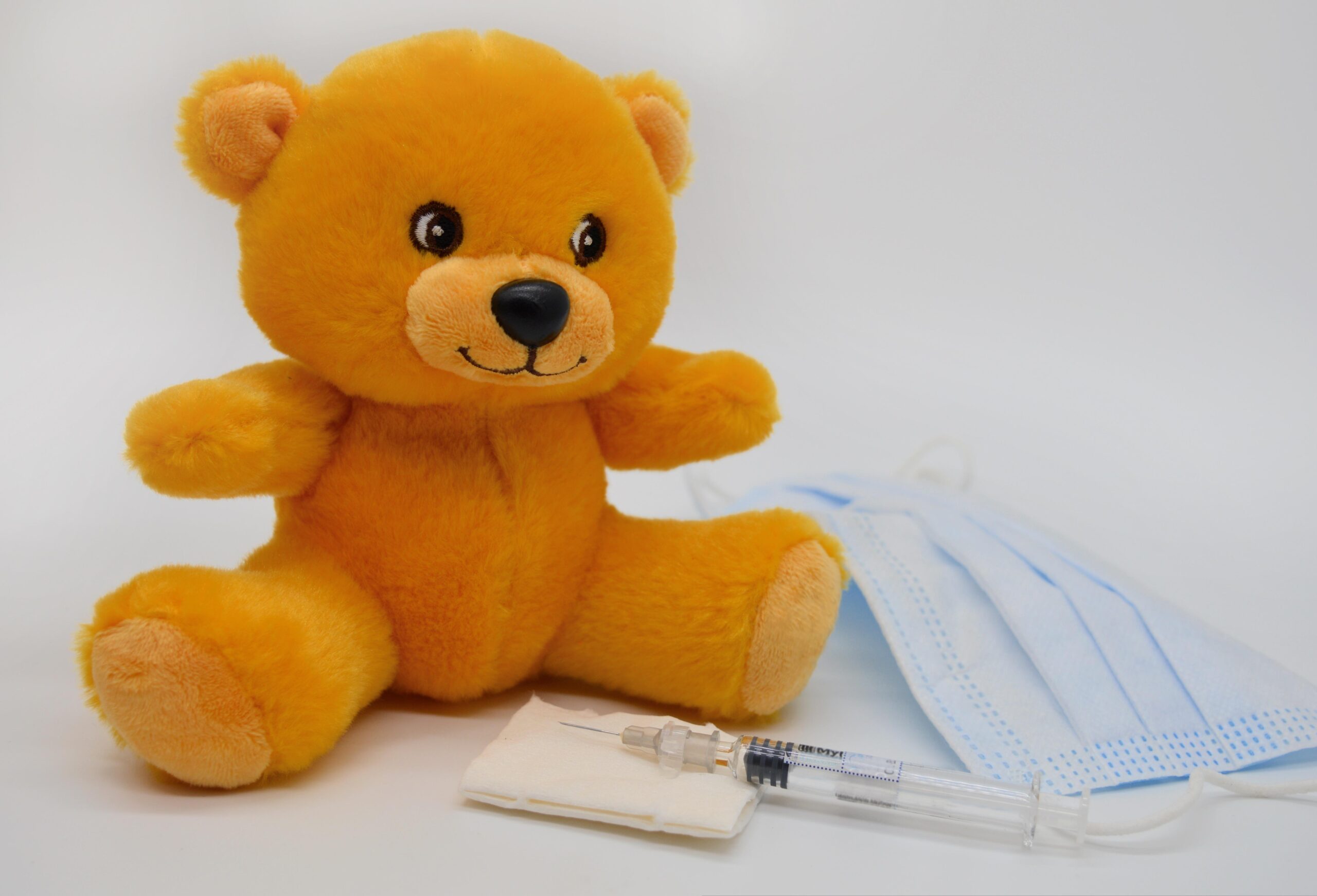
Vaccination stands as the most widely recognized example of this dynamic. When an individual chooses to get vaccinated, the benefits extend far beyond their own personal protection. Herd immunity, the indirect shield created by widespread vaccination, safeguards infants too young to receive the shot, elderly people whose immune systems have waned over time, and immunocompromised individuals who cannot safely be inoculated. The positive impact of one person’s choice spills over to create safety for entire communities, a phenomenon economists label a positive externality.
The same spillover effect works in reverse, creating negative consequences for bystanders from individual choices. Smoking in public spaces is a textbook case. The World Health Organization estimates that secondhand smoke kills more than 1.6 million people annually, and confirms there is no level of secondhand smoke exposure that can be considered safe. Non-smokers exposed to secondhand smoke face dramatically elevated risks of heart disease, respiratory illness, and lung cancer, all caused by a choice made by someone else.
These two examples—vaccination and secondhand smoke—are opposite sides of the same coin. Both demonstrate how individual self-interested decisions create uncompensated indirect impacts on third parties, the definition of an externality. When a parent chooses to vaccinate their child, they may only be thinking of their own kid’s safety, but that choice creates life-saving protection for neighbors and strangers. Similarly, a person who chooses to smoke in public may not intend harm to others, but that does not negate the deadly reality of the secondhand smoke they create.
Because individuals rarely account for the full impact of their choices on community well-being, collective action through society is required to protect shared public goods. Herd immunity and clean air are both classic public goods: they benefit every member of the community, regardless of whether an individual contributed to creating them. Protecting these goods is the foundation of building an equitable health system that prioritizes the most vulnerable members of society. It turns individual self-interest into collective life-saving action, and fulfills the core promise of a society that looks out for all its members, as author Dr. Ishma Harford, a medical doctor and Commonwealth Scholar studying health policy, argues in this politically neutral educational column.
Yet these critical public goods are inherently fragile. Just as widespread collective action can create protections that benefit marginalized groups, the choices of a small minority can erode those shared benefits for everyone. Measles outbreaks offer a clear warning: herd immunity for measles requires approximately 95% vaccination coverage to protect the small share of the population that cannot be inoculated. Research conducted in the United States has found that even a 5% drop in childhood vaccination coverage would triple the number of annual measles cases, putting thousands of at-risk people in danger. The choices of a tiny minority can undermine health outcomes for the entire community.
Maintaining these public goods requires intentional, long-term vision. It is easy for individuals to become caught up in the day-to-day demands of life and lose sight of the broader collective context that shapes their health. Most people take for granted the systems that societies have built to protect shared public goods, and rarely think about the work required to sustain them. In fact, that lack of awareness is a sign of success: it means the system is working, and communities can enjoy the peace of mind that comes from reliable public health protection.
But that peace of mind is not free. It requires ongoing effort: consistent outreach to ensure children receive their scheduled vaccines, enforcement of clean air policies in public spaces, and sustained investment in the systems that keep these public goods intact. Long after these systems fade into the background of daily life, the work to maintain them must continue. As the old saying reminds us: you never miss the water until the well runs dry.
Disclaimer: NOW Grenada holds no responsibility for the opinions and statements shared by contributing authors. Content abuse may be reported through official channels.