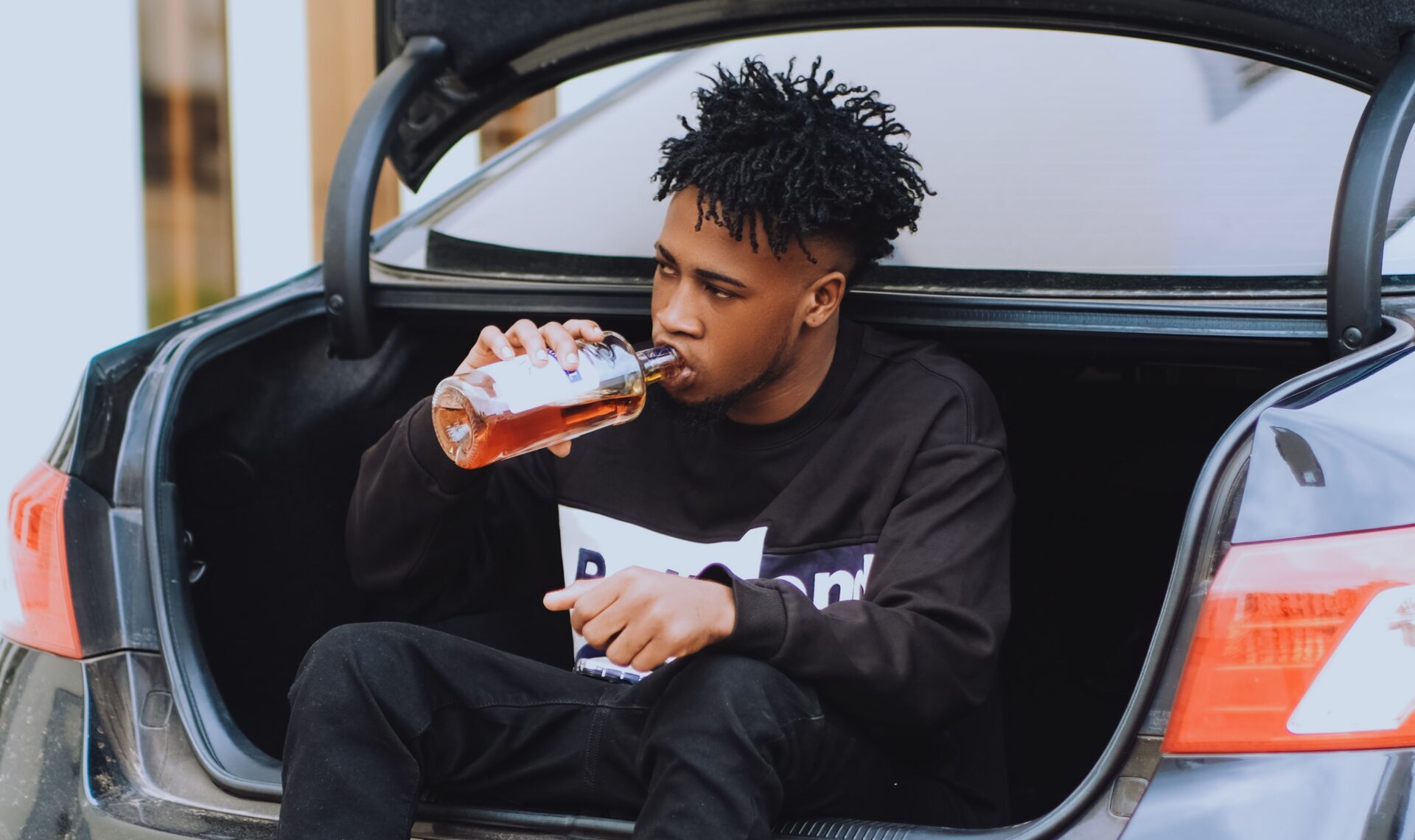
As public health authorities across the Caribbean continue to address rising youth substance use impacts on mental health, a leading psychiatrist from Dominica’s main public hospital is calling for sweeping regional policy change, urging nations across the area to follow Trinidad’s recent policy shift and raise the legal minimum age for purchasing and consuming marijuana and alcohol.
Dr. Nadia Wallace, a consultant psychiatrist based at the Acute Psychiatric Unit (APU) of the Dominica-China Friendship Hospital, issued the appeal during the unit’s recent annual Health Week observance, an event focused on highlighting pressing community mental health and public health challenges facing the island nation.
In her remarks, Dr. Wallace pointed to recent policy changes in Trinidad and Tobago that have already raised the legal minimum age for tobacco, alcohol and marijuana use as a successful framework that other regional governments can adapt to their own contexts. She emphasized that the call for reform extends beyond marijuana regulation, noting that alcohol is also a psychoactive substance that carries documented mental health risks, including an association with increased likelihood of developing psychotic disorders.
Currently, Dominica sets the legal drinking age at 18 years old, and the island nation has not established formal, clear legal age limits for marijuana use, according to Dr. Wallace. The psychiatrist proposes raising the legal minimum age for all recreational psychoactive substance use to between 23 and 25 years old, a threshold that aligns with modern neuroscience research confirming that the human prefrontal cortex – the region of the brain responsible for impulse control, decision-making, and long-term planning – does not finish full development until the mid-20s.
Dr. Wallace explained that delaying the age at which people can legally access these substances reduces the risk of long-term harm from Tetrahydrocannabinol (THC), the primary psychoactive compound in marijuana. When the brain reaches full maturity, it is far less vulnerable to permanent structural and functional changes caused by early exposure to THC and other psychoactive substances, she added. The public call comes as Caribbean nations grapple with evolving approaches to marijuana regulation, with many weighing public health protections alongside shifting policy and economic goals around decriminalization and regulated legal access for adults.