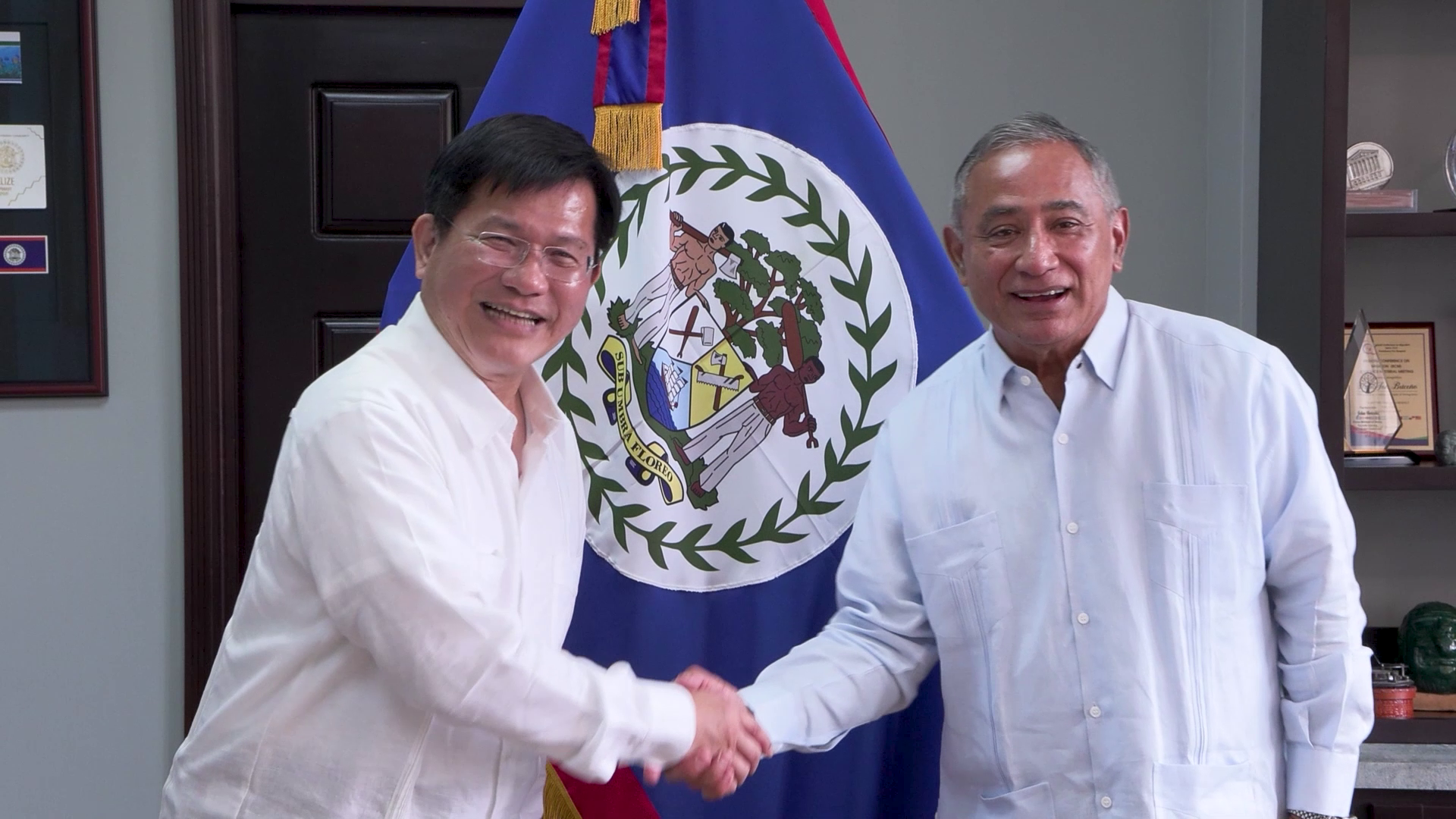
A sharp diplomatic dispute has emerged in the Western Hemisphere after China imposed targeted sanctions on Belizean Foreign Affairs Minister Francis Fonseca in response to Belize’s long-standing official diplomatic relationship with Taiwan, set for October 13, 2026. The punitive measures, which also hit Paraguay’s communications minister in a coordinated action, freeze any assets the officials may hold within China’s jurisdiction and ban them from entering Hong Kong and Macau.
In public remarks following the announcement, Fonseca emphasized that the sanctions would have no personal impact on his daily life: he holds no assets in Chinese territory and has no immediate travel plans to the region. But he was clear that the action represents a far greater threat to core principles of global governance than any personal inconvenience, framing the standoff as a test of whether small sovereign states can retain the right to set their own independent foreign policy.
“The fundamental issue is the right of small states, like Belize, to determine our own foreign policy, who we establish diplomatic relations with, who are our friends,” Fonseca explained. He noted that Belize’s diplomatic ties with Taiwan have endured for 37 years across multiple successive national administrations, with cross-party consensus that the relationship serves the best interests of Belize and its people.
The sanctions were imposed shortly after a high-profile visit to Belize by Taiwanese Foreign Minister Lin Chia-lung, during which the two sides deepened bilateral cooperation and outlined plans to expand Belizean exports of key commodities including seafood, cocoa, and coffee to Taiwan. During the visit, the pair launched new joint initiatives spanning higher education cooperation, public healthcare infrastructure at Belize’s San Pedro Hospital, smart technology development, and advancements in sustainable agriculture and aquaculture. Lin emphasized that Taiwan is committed to increasing imports of high-quality Belizean products, from shrimp and lobster to cocoa and coffee.
Taiwan Premier Cho Jung rejected China’s actions outright, stating that the People’s Republic of China has no legal or moral authority to interfere in the domestic governance or foreign relations of any sovereign independent state, including Taiwan. He reaffirmed that Taiwan would continue to deepen its cooperative partnerships with its diplomatic allies and other democratic nations worldwide.
Fonseca stressed that the sanctions are targeted solely at him in his capacity as foreign minister, and stressed that they will not affect broader bilateral economic ties, bilateral trade, or the ability of ordinary Belizean citizens to travel to China. He warned that allowing major powers to coercively pressure small states over their foreign policy choices would erode the long-standing global principles of sovereign equality and non-interference in the internal affairs of other nations that underpin the international order.
The dispute has quickly drawn international attention, with the United States State Department issuing a formal statement in defense of Belize and Paraguay. The Trump administration condemned what it called Chinese coercion and aggression against Western Hemisphere nations exercising their sovereign rights. Fonseca welcomed the U.S. statement of support, noting that Belize has also engaged with key regional and multilateral partners including the Caribbean Community (CARICOM), the Central American Integration System (SICA), and the Organization of American States (OAS) to coordinate a response.
Despite the mounting diplomatic pressure, Belize’s government has made clear that its position will not shift. For the immediate future, the country’s 37-year diplomatic relationship with Taiwan remains fully intact, and Fonseca reaffirmed that the sanctions against him will not alter Belize’s long-standing independent foreign policy direction.