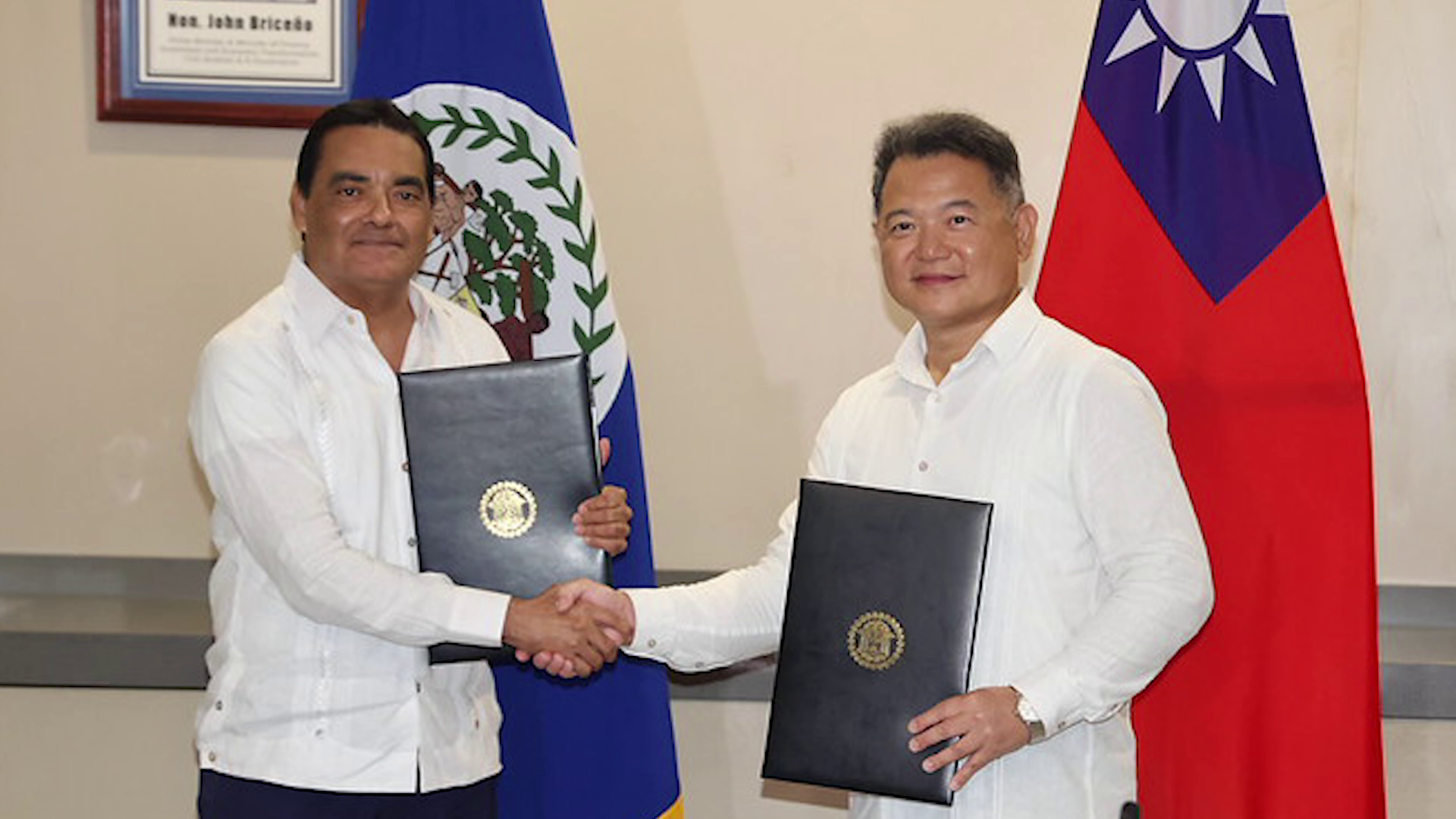
As of October 13, 2026, China’s growing economic footprint across Central America and the Caribbean has shifted regional diplomatic landscapes, pushing multiple nations in the area to cut formal diplomatic ties with Taipei in recent years. Today, Belize stands as one of only 12 countries worldwide that still maintains official diplomatic relations with Taiwan, leaving global observers questioning how long this enduring partnership can withstand mounting pressure from Beijing.
To address questions about Belize’s ability to resist shifting regional tides, regional reporters spoke directly with Belizean Foreign Affairs Minister Francis Fonseca, who laid out the government and public’s long-held stance on the bilateral relationship.
Fonseca emphasized that for 37 years, ordinary Belizeans across every region of the country have consistently viewed the partnership with Taiwan as a net positive for Belize’s national growth. Over nearly four decades, Taipei has delivered tangible, measurable development benefits across core sectors that directly impact Belizean livelihoods: from expanding access to K-12 and higher education infrastructure and improving public health services, to boosting agricultural productivity and supporting Belize’s climate adaptation and environmental conservation efforts. Taiwan has also supported critical affordable housing projects that advance the country’s national development priorities.
“Taiwan has been a very faithful and good partner in Belize’s development,” Fonseca stated, adding that the Belizean government and public remain grateful for this longstanding collaboration. Beyond the practical development gains, Fonseca noted that the relationship is rooted in core principle: Belize formally supports Taiwan’s right to self-determination, a value that aligns with the foundational beliefs of Belize’s own status as an independent sovereign state.
This report is adapted from a transcribed evening television newscast, with all statements rendered accurately using standard spelling conventions for Kriol-language excerpts where applicable.