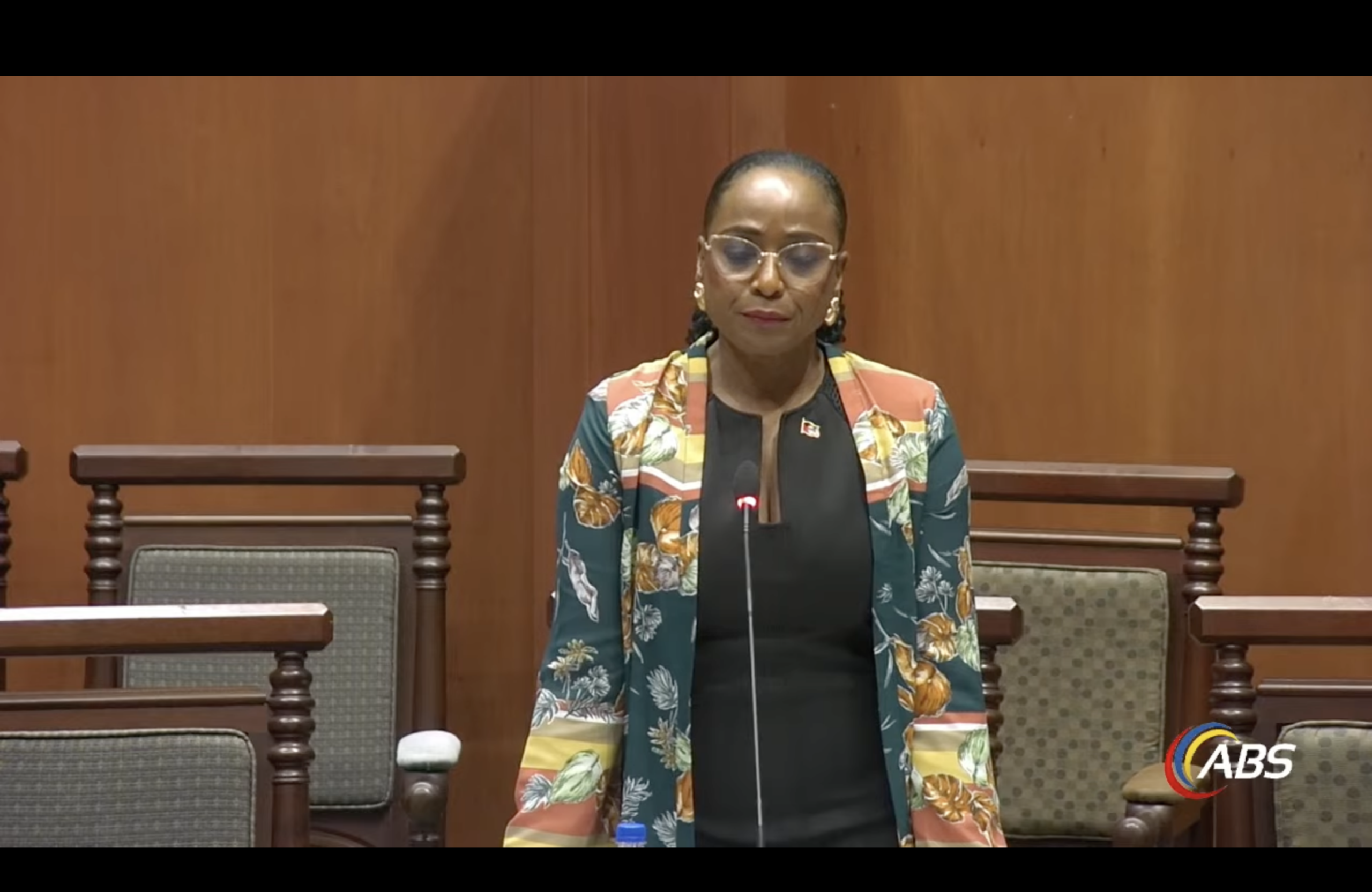
As upper chamber lawmakers gathered to debate sweeping changes to the nation’s sexual offenses legislation, Independent Senator Jamilla Kirwan stepped to the podium not just as an elected official pushing for policy reform, but as a survivor of the childhood abuse the bill aims to prevent. Opening with a quiet, vivid memory from her youth, Kirwan recalled being sent to a neighbor’s yard, where an older man’s harmonica drew her curious attention — a moment the stranger exploited to assault her. Decades later, when she read of the man’s death in a local newspaper, she finally found the courage to name the little girl in that memory: herself.
Kirwan’s raw, personal testimony brought unflinching weight to her advocacy for tighter child protection measures included in the Sexual Offences Amendment Bill. She explained that the trauma of childhood abuse does not fade when survivors grow up, leaving long-lasting scars that impair mental health, erode the ability to form trusting relationships, and create lifelong struggles. For her own part, Kirwan shared that she sought therapy as a young adult and spent years battling depression, a reminder that many adult survivors still carry the wounded child they once were inside them.
While acknowledging that no prison sentence can undo the harm inflicted on a survivor, Kirwan argued that harsher penalties are non-negotiable to hold perpetrators accountable under the law. She threw her full support behind a core provision of the bill that would classify any sexual intercourse with a child under 16 as a criminal offense, regardless of claimed consent. Going further, Kirwan called for raising the national age of consent to 18, noting the change would align the regulation with other key legal milestones such as the legal voting age and the minimum age for driving.
The proposed legislation includes a narrow close-in-age exception for cases where the accused is no more than three years older than the minor involved, but Kirwan called on her fellow legislators to add clearer guardrails to the provision. She pressed for explicit distinctions to separate the exception from violent exploitation cases, to avoid unintended loopholes that could let abusers avoid accountability.
Kirwan also emphasized the need for enhanced protections for children in dependent family relationships, where abusers often exploit positions of trust. She voiced particular outrage at abuse perpetrated by parents, stepparents, or other caregivers legally entrusted with a child’s safety, stressing that no circumstance can justify such a betrayal of innocence. She also drew attention to the unique vulnerability of working minors, who take on informal part-time jobs to contribute to household income or save for their own needs. Many exploitative employers, Kirwan warned, use the promise of extra pay or the threat of firing to coerce vulnerable children into abuse, taking advantage of their economic dependence to avoid detection.
Beyond legal reform, Kirwan called for a cultural shift in how communities respond to abuse disclosures. She recounted a heartbreaking case where a young victim told her mother about ongoing abuse, only to be disbelieved. It was only after the child recorded evidence of the abuse and turned to her grandmother that the claim was taken seriously — a delay that added unnecessary trauma to the harm the child had already endured. Kirwan noted that survivors often wait years to come forward due to fear of shame, blame, family breakdown, or disbelief from those they turn to. Late disclosures, she insisted, should never be automatically dismissed as proof that the allegation is false: children often lack the vocabulary and understanding to name what has happened to them, while adult survivors continue to face stigma and revictimization when they share their stories decades later.
To prevent abuse before it occurs, Kirwan called for widespread age-appropriate education for children on bodily boundaries, appropriate touch, and consent. She stressed that protecting children is not solely the responsibility of parents, but requires collective action from entire communities. She also pushed for expanded, accessible practical support for survivors, including long-term counseling and therapy. Too often, Kirwan noted, survivors are dismissed as “crazy” for seeking help, even though the lasting psychological harm of abuse makes such support a critical necessity.
Opening her testimony with a childhood memory of a harmonica’s melody twisted by violence, Kirwan closed by urging her fellow lawmakers to recognize the difference stronger laws, more compassionate community responses, and targeted survivor support can make for millions of current and future survivors of childhood abuse. Her testimony framed the bill not just as a policy change, but as a commitment to protecting vulnerable children and honoring the trauma survivors carry.