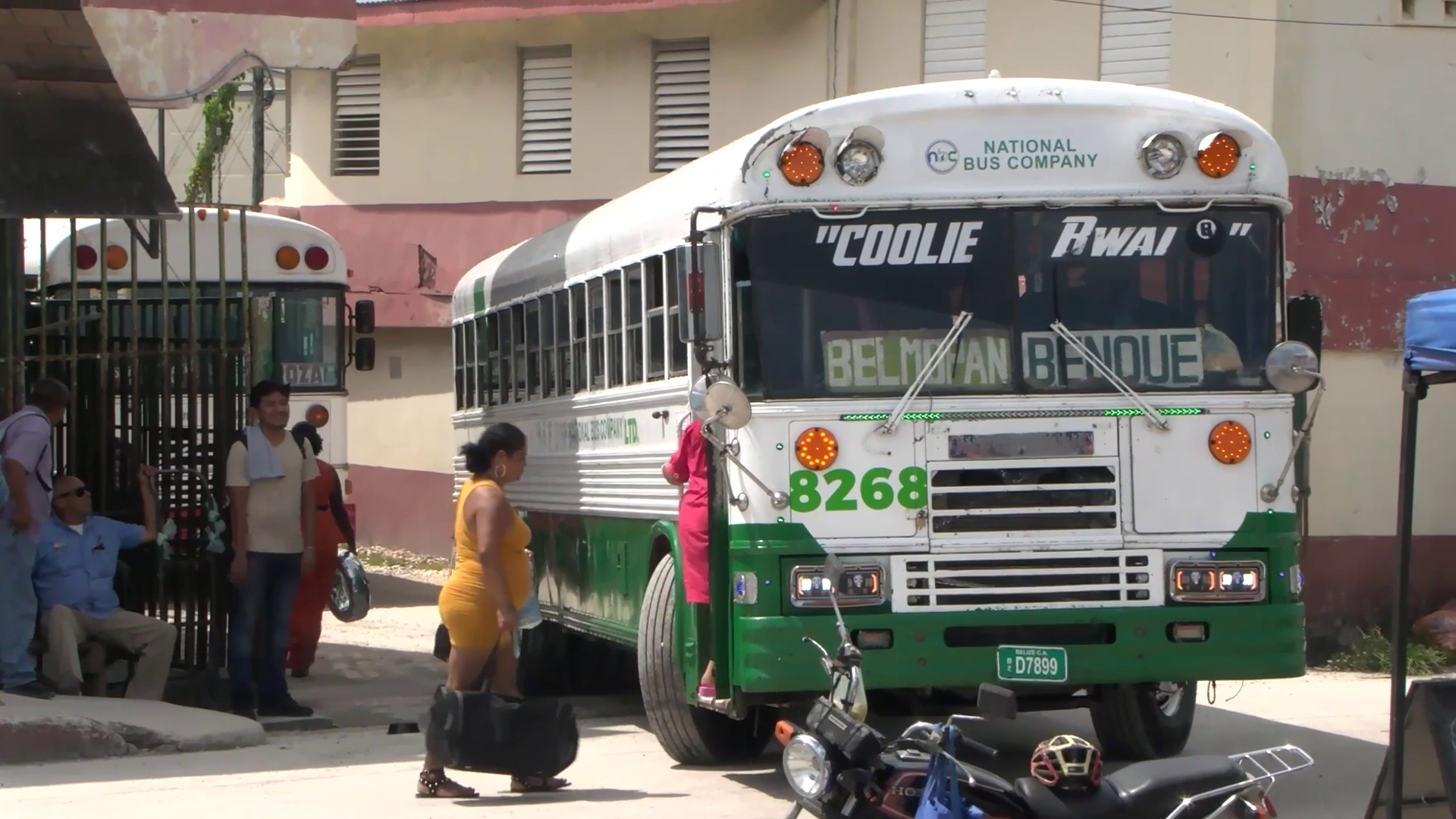
In a move designed to safeguard a $20 million public investment in Belize’s new national bus system, the country’s National Assembly has passed two landmark pieces of legislation aimed at closing legal loopholes that doomed a prior public transit consolidation effort nearly two decades ago. The approval, handed down during a Friday plenary session, comes as policymakers work to avoid a repeat of the high-profile collapse of Novelo’s Bus Empire, a failure that still looms large in Belize’s transportation sector history.
The new legislation creates exclusive, limited concessions for the state-backed National Bus Company (NBC) on the country’s two high-traffic transit routes: the Southern Corridor and the Western Corridor. Transport Minister Dr. Louis Zabaneh, who championed the bills, emphasized that the reform directly addresses critical mistakes made during the 2002-2004 transit consolidation that led to Novelo’s collapse. Back then, after the Novelo family and James Bus Line absorbed smaller operators to create a consolidated national network, no legal framework was put in place to protect their exclusive route rights. Even former operators who had sold their businesses to the consolidated firm were able to obtain new road service permits, creating unregulated competition that gradually eroded the consolidated company’s financial stability. By 2005, the entire venture collapsed, leaving widespread disruption to public transit across Belize.
“This is a lesson learned the hard way,” Zabaneh told reporters following the vote. He stressed that the stakes are far higher this time around, with more than $20 million in public funds allocated to new buses and infrastructure for NBC, alongside a roughly $19.2 million investment from private operators. “The Belizean people have skin in this game. We cannot allow unregulated competition to undermine this significant public and private investment months or years down the line,” Zabaneh added.
The new legal framework is designed to lock in exclusive route access for NBC, preventing new competitors from entering the core corridors and putting the public and private investment at risk. Policymakers frame the move as a critical safeguard to keep the revitalized national public transit system on track, ensuring reliable service for commuters across the country while protecting taxpayers’ contributions to the project.