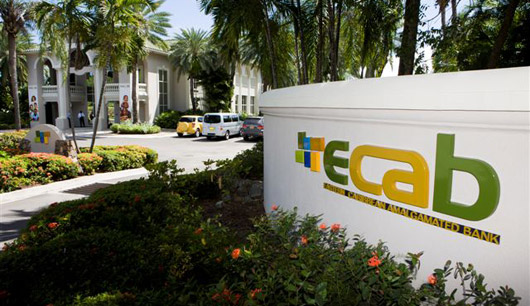
The Eastern Caribbean Central Bank (ECCB), which oversees the banking sector across the eight-nation Eastern Caribbean Currency Union that includes Antigua and Barbuda, has issued a formal call for domestic commercial banks to ramp up lending to local businesses and infrastructure projects, framing expanded access to credit as a critical driver of post-pandemic economic recovery and long-term national growth.
For years, financial institutions in Antigua and Barbuda have maintained relatively conservative lending practices, with a large share of their assets held in low-risk foreign securities or deployed toward large-scale tourism projects that cater to international investors, rather than small and medium-sized enterprises (SMEs) that form the backbone of the domestic economy. This cautious approach has left many local entrepreneurs locked out of affordable capital, stifling innovation, limiting job creation, and slowing the diversification of the country’s economy beyond its traditional dependence on tourism and offshore financial services.
Addressing a recent gathering of banking industry leaders in St. John’s, ECCB Governor Timothy Antoine emphasized that the current macroeconomic conditions create a strong case for banks to rebalance their lending portfolios. Antigua and Barbuda has recorded steady economic expansion since 2022, supported by a rebound in international tourism arrivals that has restored consumer confidence and increased business activity across the island nation. The central bank has also maintained stable monetary policy anchored by the Eastern Caribbean dollar’s fixed peg to the U.S. dollar, creating a predictable operating environment for both lenders and borrowers.
Antoine added that increasing domestic lending would not only support national development priorities – including affordable housing construction, renewable energy infrastructure, and small business expansion – but also benefit banks themselves by unlocking new revenue streams from growing domestic markets. To facilitate this shift, the ECCB has introduced adjusted regulatory frameworks that provide clearer guidance for risk assessment of SME and infrastructure loans, while also partnering with local development agencies to offer partial credit guarantees that reduce lenders’ exposure to default risk.
Industry observers note that the push for expanded domestic lending comes as Antigua and Barbuda works to implement its 2030 National Development Strategy, which targets inclusive economic growth, climate resilience, and reduced dependence on foreign capital. While some bank leaders have signaled openness to expanding their domestic lending portfolios, they have also cited ongoing challenges including limited credit history for many local SMEs and lingering economic uncertainty linked to global inflation and tourism volatility. Even so, stakeholders across both the public and private sectors broadly agree that increasing domestic credit flow is essential to building a more resilient, self-sufficient economy that delivers widespread benefits to all residents of Antigua and Barbuda.