As of September 30, 2026, a high-stakes corruption probe in Belize has entered a critical new phase, with opposition politician Edward Broaster formally submitting all supporting evidence and completing his testimony before the country’s Integrity Commission, shifting public and political attention to whether the watchdog body will deliver an impartial, timely investigation.
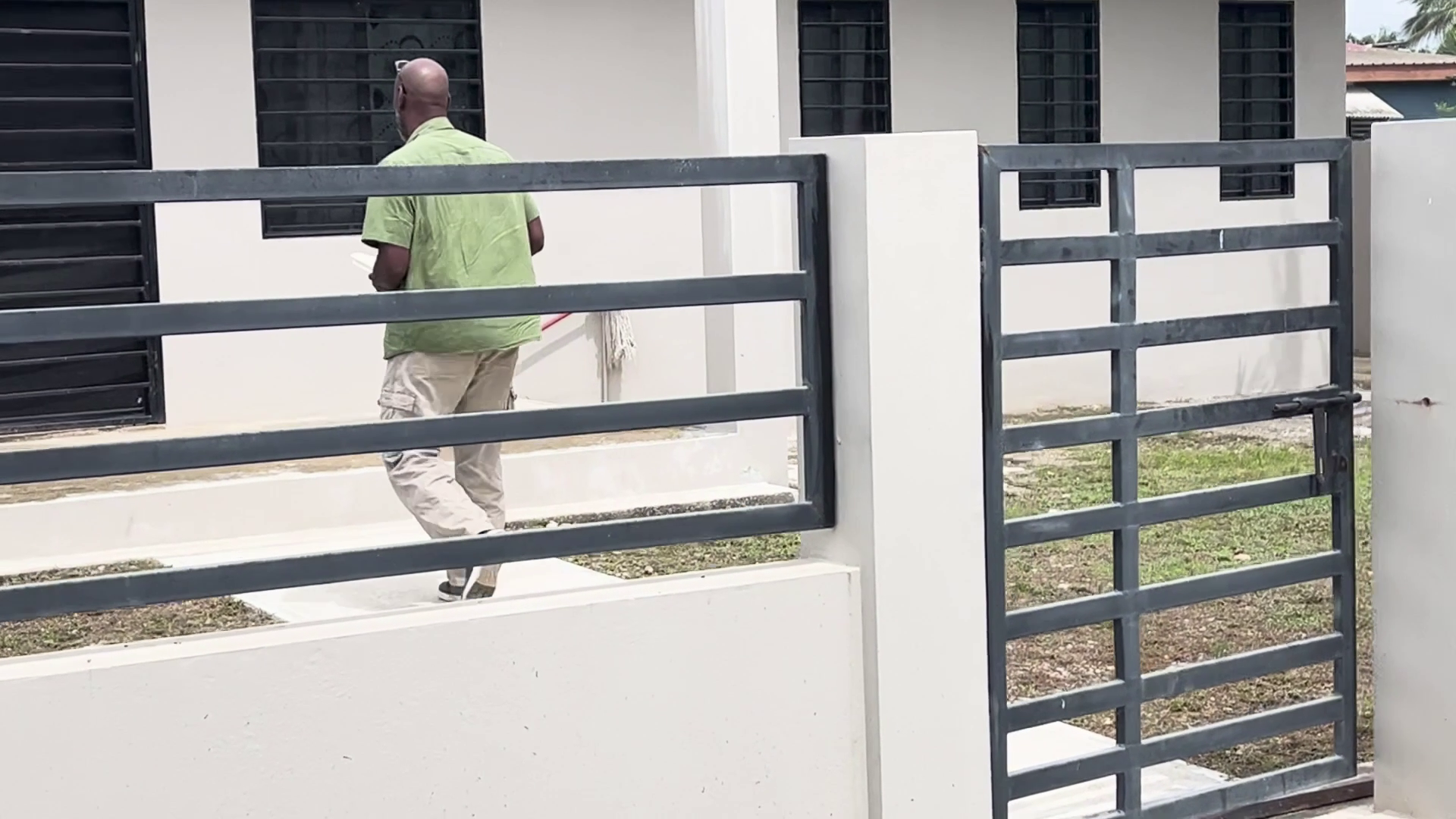
Broaster, the caretaker candidate for the United Democratic Party (UDP) in the Belize Rural Central constituency, lodged a formal corruption complaint against Oscar Mira, a figure linked to the ruling political landscape. On Monday, he appeared in person before the Integrity Commission tribunal to defend the authenticity and relevance of the documentation supporting his allegations.
Jacqueline Willoughby, Broaster’s legal representative, spoke to reporters following the hearing, laying out clear details of the process completed by her team. Under Section 34 of Belize’s Integrity Commission legislation, after a formal complaint is registered and supporting documents are submitted, the complainant is required to appear before the tribunal to testify, defend the evidence on record, and respond to questions from commission members. Willoughby confirmed that Broaster has fulfilled every requirement of this process, leaving the ball entirely in the commission’s court.
“All of our evidence is now before the tribunal,” Willoughby stated. “Per the commission’s operating procedures, once a complete body of evidence is submitted, the commission will launch its own independent investigation, much like a formal commission of inquiry. Once their probe is concluded, the full case file will be passed to the Director of Public Prosecutions (DPP) for any further action. Right now, we have done everything required of us. This is now a waiting game, and we can only watch to see what the commission does next.”
When asked about the strength of the evidence her client presented, Willoughby emphasized that the documents are grounded in verifiable fact, with records available through official government systems that the commission can cross-check independently to confirm their authenticity. “We have full confidence in what we submitted,” she said. “All of the information is factual, and it is already part of public government records. If there is any doubt, the commission has clear pathways to access and verify these documents on their own.”
The core question now hanging over the process is whether the Integrity Commission will move quickly, conduct a thorough investigation, and set aside any political bias in its handling of the case. Willoughby noted that the outcome of the probe will be a public test of the commission’s credibility, and called on all Belizeans to hold the watchdog accountable for ensuring the complaint is taken seriously.
“I certainly hope we see a timely resolution to this case,” Willoughby told reporters. “As for whether it will be handled seriously? That is something all of Belize is watching, and all Belizeans must demand that this process not be sidelined or dismissed.”
With Broaster’s portion of the process now complete, the nation of Belize is now waiting to see if the Integrity Commission will uphold its mandate and deliver a transparent, impartial outcome to one of the most high-profile political corruption complaints in recent years.