As 2026 enters its final quarter, Belizean households are facing increasingly unmanageable financial pressure, with new official inflation data confirming that unavoidable everyday essentials are the primary driver of the country’s cost-of-living surge.
The Statistical Institute of Belize (SIB) released the latest figures this week, showing that the average price of household goods and services climbed 2.9% year-on-year across the first eight months of 2026. What makes this increase particularly painful for working and middle-class families is that the fastest price gains are concentrated in non-negotiable basic needs: transportation, food, housing, and utility services, according to SIB statistician Jaime Crespo.
Fuel costs, which ripple through nearly every sector of the economy, have seen some of the steepest increases. By the end of August, regular gasoline per gallon had jumped 11.3% year-over-year, premium gained 7.2%, and diesel prices surged an alarming 17.8% to just over $13 per gallon. Crespo noted that diesel costs have climbed even higher since that data was collected, pushing up prices for public transit, commercial freight, and domestic air travel across the country.
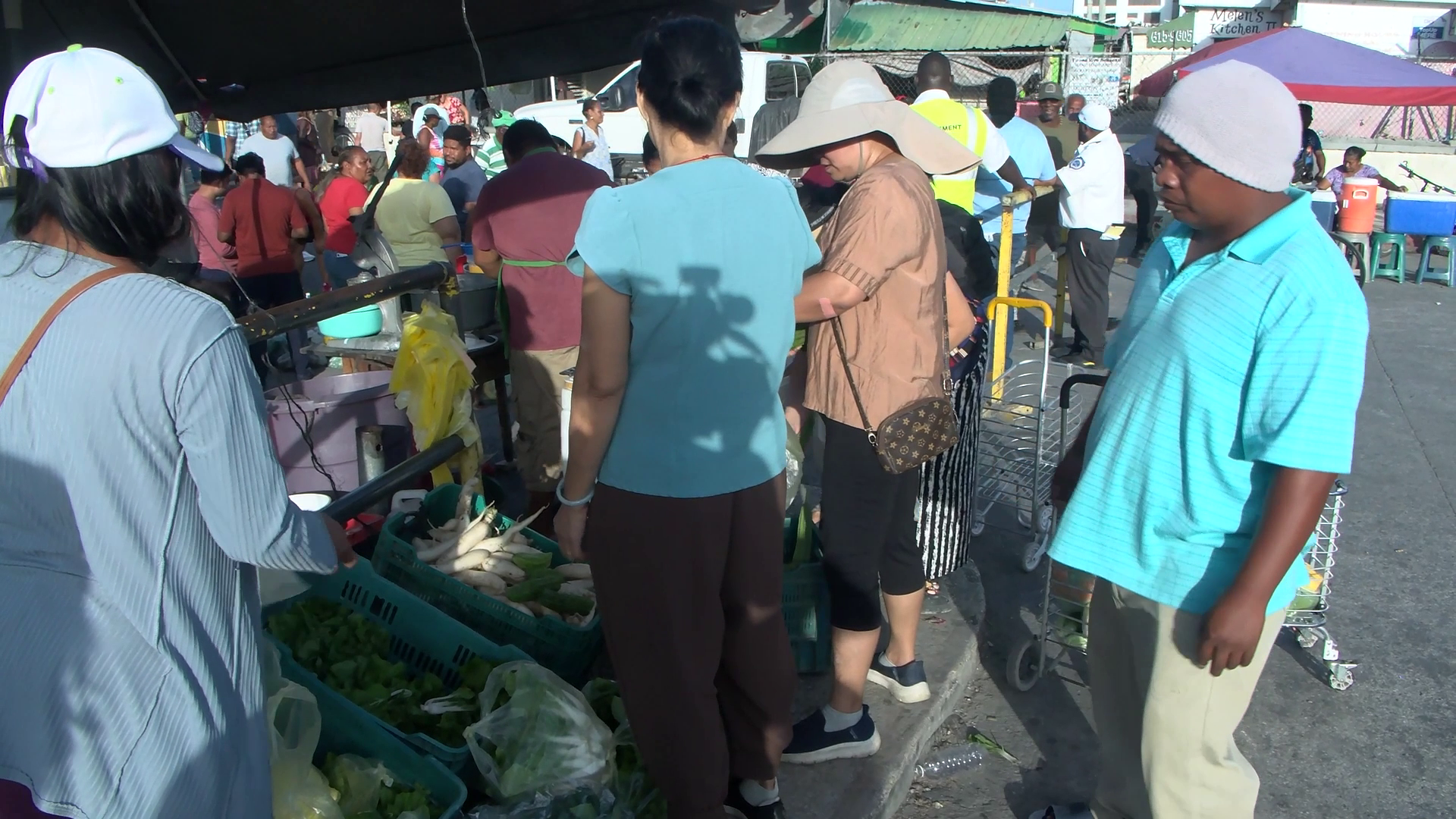
Food prices have also continued a steady upward climb, with the category of food and non-alcoholic beverages recording a 2.2% overall increase. Common household staples including meat, sugar, cereal, instant coffee, and natural juice all posted notable price hikes that add to monthly grocery bills.
The pressure on basic living expenses extends to housing and energy as well. Electricity rates rose 7.7% year-on-year following a new kilowatt-hour pricing adjustment and the implementation of updated COPA tariffs at the start of the year. Residential rent increased by 1.4%, while butane, a common cooking fuel for Belizean households, went up 4.1%.
Prime Minister John Briceño acknowledged the widespread hardship in his mid-September 2026 State of the Nation address, telling the public, “We hear the cries of the Belizean people. We understand what you are going through.” Briceño framed the cost-of-living challenge as an imported issue, much like the persistent sargassum problem that impacts Belize’s coastlines. While the country has achieved full self-sufficiency in producing basic food staples to feed its population, Briceño noted that Belize’s broader economy remains heavily reliant on imports, leaving it exposed to global price shifts that government policy cannot fully control.
Even so, the prime minister emphasized that his administration is actively pursuing measures to ease the financial strain on households. Still, the latest data paints a sobering picture: with price increases concentrated in the essentials that families cannot cut from their budgets, many have already exhausted opportunities to reduce non-essential spending, leaving little room to absorb additional cost hikes.
This report was compiled by Paul Lopez for News Five, based on official data from the Statistical Institute of Belize.