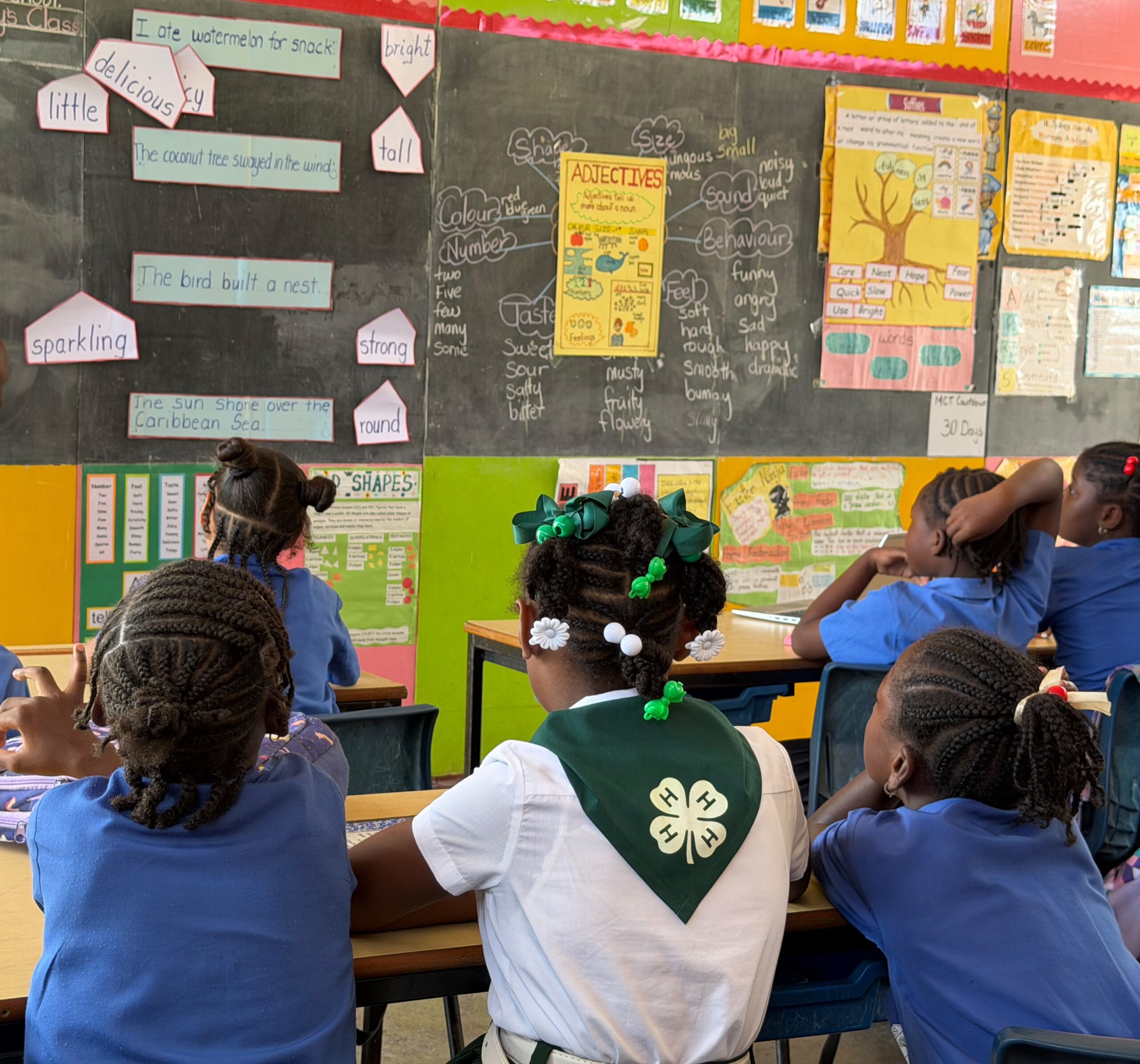
For 25 years, a veteran Grade 1 teacher at a northern Grenadian primary school—speaking anonymously as Ms. Antoine—has watched young learners navigate the classroom. In recent years, she has documented a troubling, growing trend that holds back student potential across grade levels: deeply rooted low self-esteem that alters how children participate, interact, and engage with learning.
Antoine’s classroom observations paint a clear picture of the issue. Many students shut down mid-activity when asked to share their work, even when their answers are correct. Overwhelmed by a paralyzing fear of being wrong, they fall silent rather than risk a mistake. When a class is offered an incentive for strong performance, few students step forward to claim they can earn the reward; instead, peers only name the handful of students universally viewed as top achievers. In social interactions, some children even allow peers to mistreat them just to gain approval, then deny the incident when it is reported, too insecure to advocate for themselves.
“You can see their full potential sitting right there, but low self-esteem creates a barrier that stops them from performing at the level they are capable of,” Antoine explained. She also linked the rise in classroom conflict and violent responses to poor emotional expression, a side effect of low confidence that prevents children from articulating their needs.
To understand how to address this issue, experts first break down what self-esteem actually is. Psychotherapist Robert Phillip explains that self-esteem grows from self-concept—how a person defines and sees themselves. “Self-esteem is our emotional reaction to that self-view,” Phillip said. “If we perceive ourselves positively, we develop positive self-esteem. If our self-concept is negative, that translates directly to low self-esteem.”
Antoine suspects the roots of poor self-concept in young children often begin in the home, the first and most foundational learning environment for young learners. These negative self-perceptions do not just harm academic outcomes; they also erode children’s ability to communicate their thoughts and feelings openly to others.
A deep-rooted cultural stigma around making mistakes also exacerbates the problem. For many children—and even adults—mistakes are treated as a catastrophic failure rather than a tool for growth. Phillip pushes back on this harmful narrative, noting that mistakes are a critical part of learning: “Mistakes give students the chance to step back, assess what went wrong, and return with a more thoughtful, refined approach. They make us stronger and more capable over time.”
Recognizing that this unaddressed mental health and confidence gap in Grenada’s primary education system demands action, a local family of educators has launched a new initiative to meet the need. On August 17, the Denis and Janice Thomas Foundation (DJTF)—founded by the prominent Grenadian educator family from Black Bay, St. John—officially launched its mission at Grand Roy Government School, focused on fostering healthy self-esteem and overall well-being for primary-aged students. As an opening gesture, the foundation donated 52 laptops to principals from six local primary schools to support learning access, but building confidence remains its core priority.
Speaking for the foundation, Annette Thomas—daughter of the late Denis Thomas and Janice Thomas, and a retired educator herself—said the foundation’s work grew from decades of on-the-ground experience with struggling students. “Time and again, we saw children who were misunderstood simply because they learned, communicated, or behaved differently from their peers,” Thomas explained. “Too often, they were labeled rude, disruptive, or even unteachable, when what they really needed was support, understanding, and a safe space to be themselves.” She added that this unmet need is a critical gap in Grenada’s education system that requires targeted attention and investment.
While the foundation works to drive systemic change, Phillip emphasizes that parents and teachers play the most critical daily role in nurturing positive self-esteem in children aged 5 to 12. The core goal, he says, is to teach children to accept themselves, understand their own unique traits, and recognize that shortcomings do not eliminate the potential for success.
Phillip outlines practical, daily steps that adults can model and teach to build healthy confidence. At home, he recommends parents avoid negative self-talk about their own bodies, intelligence, or mistakes in front of their children, and openly acknowledge their own errors to model that mistakes are acceptable. Parents should also model healthy boundaries—for example, showing children it is appropriate to rest and say no when overwhelmed—and prioritize praising hard work and persistence over only celebrating wins. Additional steps include avoiding comparisons between siblings, limiting digital exposure that fuels unhealthy social comparison, addressing sibling rivalry and bullying early, spending dedicated one-on-one time with each child to reinforce their value, encouraging individual talents and interests, validating children’s feelings, and allowing children to make choices and experience safe failure so they learn to adapt and try again.
For educators, Phillip recommends many of the same approaches: implementing clear anti-bullying rules such as no-teasing policies in the classroom, highlighting each student’s unique strengths instead of focusing only on academic performance, avoiding cross-student comparisons, acknowledging effort and growth over just final results, and creating a classroom environment where students can safely make mistakes and learn from them without judgment.