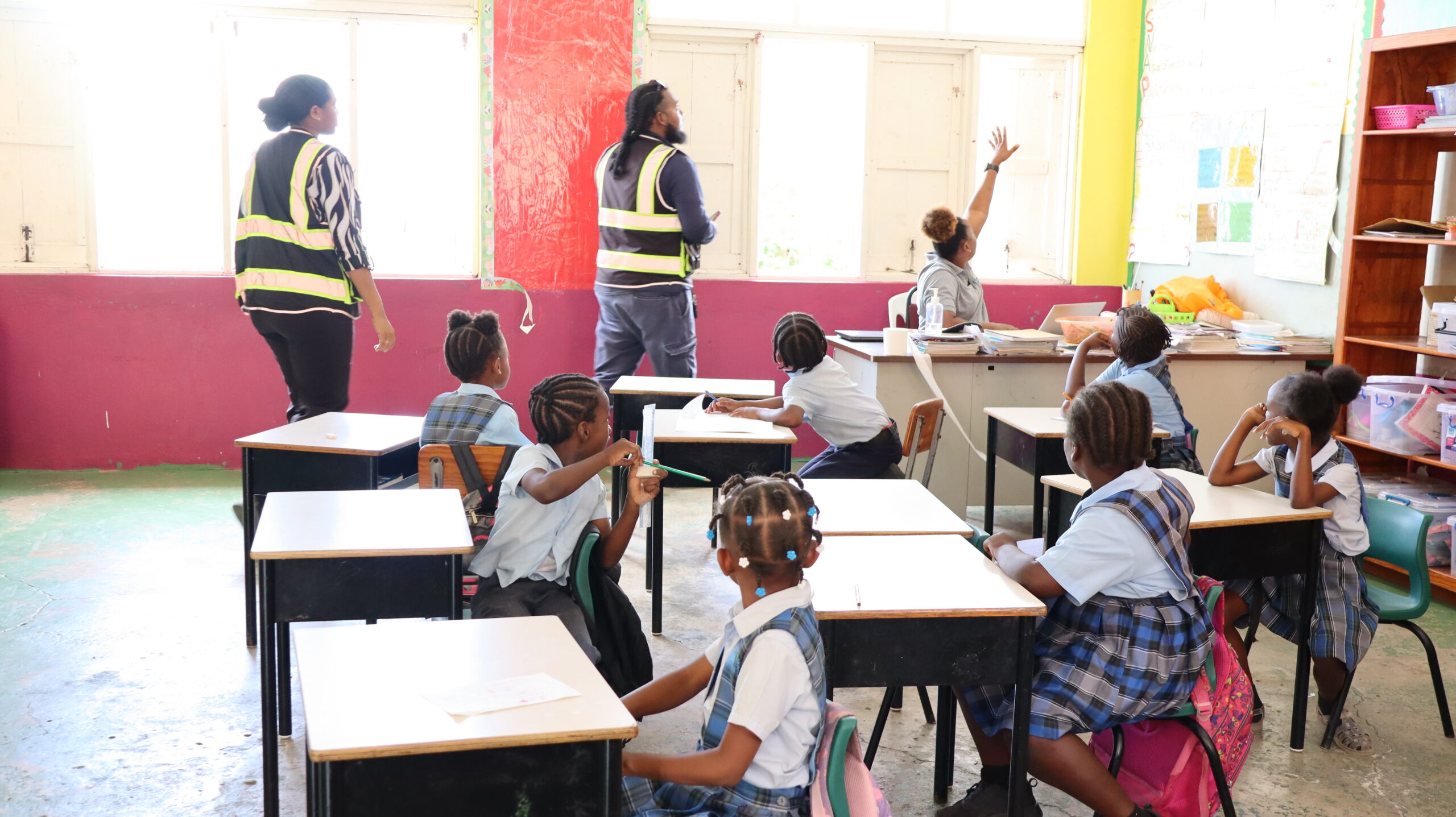
As climate change intensifies its destructive footprint across small island developing states, a groundbreaking regional initiative is advancing critical work to shield Caribbean educational institutions from growing climate hazards. Led by Caribbean-based non-governmental organization Integrated Health Outreach Inc. (IHO) in partnership with the Eco Supplier Foundation, the program has crossed the 50% completion mark for vulnerability assessments of school infrastructure across Antigua and Barbuda, the Dominican Republic, and Saint Lucia.
Officially launched in December 2025 under the full name *Socially Inclusive Strengthening of Climate Resilient Infrastructure and Action in Caribbean SIDS*, the project sets out to evaluate 21 primary and secondary schools across the three partner nations using a customized, comprehensive assessment toolkit. All collected vulnerability data will be used to build evidence-based strategic plans for upgrading infrastructure to withstand extreme climate events, turning raw findings into actionable resilience gains.
What sets this initiative apart from global comparable projects is its full, front-end integration of Gender Equality, Disability, and Social Inclusion (GEDSI) principles, which ensures future infrastructure upgrades are explicitly designed to meet the needs of the region’s most vulnerable student groups: young children, female students, and students living with physical disabilities. Because Caribbean schools often double as emergency disaster shelters for local communities, building inclusive, climate-resilient educational facilities translates directly to stronger community-wide disaster preparedness.
“In the schools assessed so far, our early assessments have revealed critical vulnerabilities, from structural deterioration to a severe lack of barrier-free emergency evacuation routes,” explained Dr. Nicola Bird, Executive Director of IHO. “By capturing this disaggregated data now, we are building an evidence-based roadmap to ensure no one is left exposed when the next major storm or climate heatwave impacts our region.”
In Antigua and Barbuda, assessments of all six targeted schools — Bendals Primary, Urlings Primary, T.N. Kirnon Primary, Pares Secondary, Princess Margaret Secondary, and Sir McChesney George Secondary on Barbuda — have already been completed. Preliminary resilience ratings for these institutions fell between 51% and 61% against the project’s evaluation framework, highlighting urgent unmet needs including hurricane-resistant roof replacements, targeted local flood mitigation infrastructure, and updated, code-compliant fire detection systems.
Across the Dominican Republic, fieldwork for all nine participating schools is also finalized. Assessments identified life-threatening infrastructure gaps at four facilities, including compromised load-bearing columns, extensively corroded roofing, and non-functional stormwater drainage systems. A notable milestone for the project in the Dominican Republic is that women made up 100% of participants in local municipal planning meetings for the initiative, underscoring the outsized role women play in leading grassroots climate adaptation action across the region.
In Saint Lucia, where six schools are scheduled for assessment, on-site physical safety evaluations are on track to wrap up by the end of December 2026. Before fieldwork launched, the country’s Ministry of Education paused to align the project with ongoing national school upgrade programs, eliminating redundant work and streamlining resource allocation. This intentional coordination has already yielded major benefits: Saint Lucia’s national planning team is already integrating the project’s preliminary data into the country’s official national climate adaptation plan, creating a pathway for the island to access additional international climate resilience funding.
Beyond traditional hurricane and flood protection planning, the project has updated its engineering frameworks to address emerging, fast-growing climate threats facing the Caribbean. Assessments and future infrastructure designs now include specialized protocols to mitigate the impacts of extreme heatwaves and El Niño events, with targeted design considerations for improved natural ventilation, passive cooling, and shaded outdoor spaces to protect students during prolonged periods of dangerous high temperatures. The initiative is now moving into its next phase, which includes hosting community-wide validation workshops to center local input and finalizing costed structural blueprints built around universal design principles.
The project receives core funding from the Coalition for Disaster Resilient Infrastructure (CDRI) through its Infrastructure Resilience Accelerator Fund (IRAF), with additional financial support from the governments of India, Australia, the United Kingdom, and the European Union channeled through the same fund. It is implemented in formal partnership with the national governments of all three participating countries, working through their respective Ministries of Education, Ministries of Finance, and relevant national disaster management authorities. All national partners have formally endorsed the initiative and provide ongoing support for implementation, coordination, and alignment with existing national education and disaster resilience policy frameworks.
IHO’s organizational mission centers on advancing community-led health, social equity, and climate resilience action across Caribbean small island developing states (SIDS). The Caribbean is consistently ranked among the world’s most disaster-prone regions, with hurricanes, flash flooding, earthquakes, and heatwaves regularly disrupting education, damaging critical public infrastructure, and placing disproportionate burden on vulnerable populations. This initiative addresses these systemic gaps by delivering inclusive vulnerability assessments, supporting the development of both school-level and national disaster-resilient infrastructure plans, and building capacity for education, infrastructure, and disaster management stakeholders across the region.