A three-day official working visit focused on boosting animal health infrastructure and advancing agricultural development has recently wrapped up on Carriacou, Grenada’s sister isle, carried out by the Veterinary and Livestock Division under the country’s Ministry of Agriculture, Lands and Forestry. The trip was centered on strengthening operational capacity at the Limlair Livestock Facility, a state-of-the-art production hub that opened its doors earlier in 2024 as a core pillar of Grenada’s national food security strategy. The facility was launched with the explicit goal of expanding domestic livestock output to boost the country’s homegrown protein supply and cut long-term dependence on imported agricultural goods.
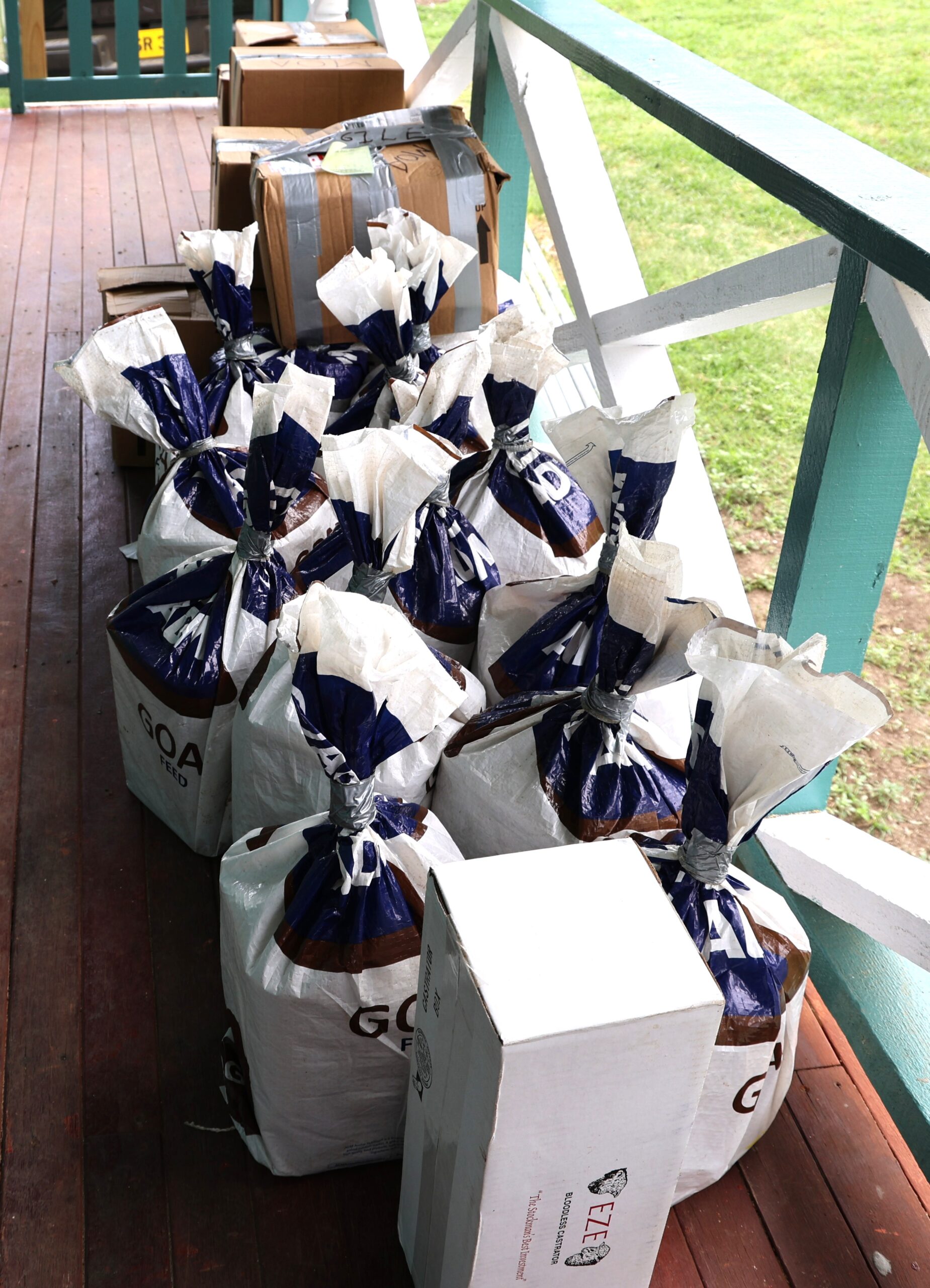
During the three-day visit, the visiting veterinary team completed a full set of core activities designed to shore up the facility’s operations. These included comprehensive whole-herd health screenings to identify potential underlying conditions, on-site medical treatment for animals requiring care, and interactive hands-on training sessions for local farm assistants to build their long-term capacity for animal care and facility management. As a critical part of the visit, the division also handed over a full shipment of high-priority veterinary medications, specialized agricultural equipment, and core operational supplies, all targeted at supporting the ongoing care and breeding management of the facility’s purebred livestock herd.
The handover ceremony saw Dr. Donelle Bleasdille-Smith, lead representative of the Veterinary and Livestock Division, officially transfer the critical resources to Benson Patrice, Senior Agricultural Officer for the Carriacou Division of Agriculture. This targeted intervention forms part of the ministry’s ongoing national initiative to ensure the facility’s purebred herd remains healthy and that local on-site staff have all the tools and resources required to manage the facility to global standards.
In comments following the handover, Dr. Bleasdille-Smith reaffirmed the national division’s long-term commitment to sustained technical support for the Limlair facility. “The Veterinary and Livestock Division will maintain a consistent presence here, sending a specialized monitoring and care team once every month to conduct routine herd health checks, detect emerging illnesses at early stages, and prevent outbreaks that could threaten the entire herd,” she explained.
Patrice welcomed the ongoing national support, emphasizing that the delivered medications, equipment and supplies fill critical gaps in the facility’s current operational capacity. “I am extremely pleased to accept these critical resources from the Ministry of Agriculture of Grenada,” Patrice said. “These items were urgently needed to support the care of the animals here at Limlair, and they will directly help us maintain high standards of animal health and overall wellbeing. We also benefited from Dr. Bleasdille-Smith’s on-site expertise, as she administered medications directly to animals in need and led training for our farm assistants, who will now be able to support routine care work on an ongoing basis.” Patrice added his sincere gratitude for the consistent support from the national ministry, noting that the resources will directly contribute to the facility’s long-term development and support the ongoing health of the herd.
Lisa Walker, Farm Manager of the Limlair Livestock Facility, highlighted the value of the collaborative partnership between the national Ministry of Agriculture, Lands and Forestry and the local Carriacou Division of Agriculture. “Dr. Bleasdille-Smith has done exceptional work during this visit, and our collaborative relationship is going from strength to strength,” Walker noted. “This visit has also given us a valuable opportunity to upskill our local workers, which is a core priority as we work to build Limlair into a regional center of excellence for livestock production. The data from this round of herd health assessments will be critical to help us determine the optimal timeline to launch our planned breeding program.”
Walker also shared a key positive update on the facility’s early progress: no livestock fatalities have been recorded since the initial herd was transferred to the facility, a result she called a clear positive indicator of the facility’s early success and strong care protocols.
Looking ahead, the Limlair facility has already begun developing plans to cut operational costs and boost long-term sustainability by shifting away from reliance on imported animal feed, with a new initiative to produce all required feed on-site at the facility. This shift is projected to lower overall production costs, make the facility’s operations more economically and environmentally sustainable, and further strengthen Grenada’s domestic livestock sector as a whole.
The Limlair facility is one of three specialized livestock production stations currently in preparation across Grenada, all working toward the shared national goal of moving the country closer to full food sovereignty through expanded local agricultural production.