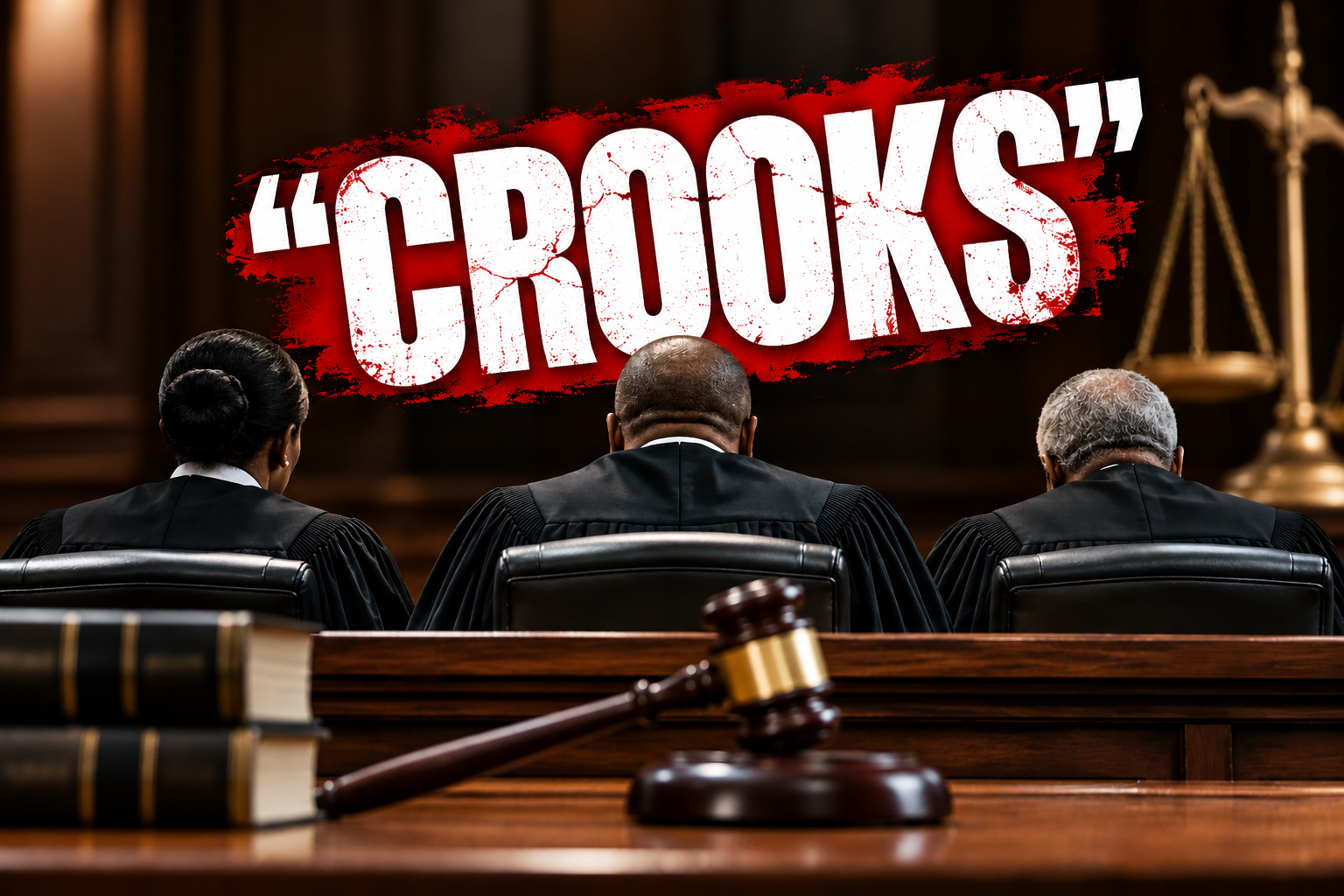
A growing political rift over judicial independence has emerged in Antigua and Barbuda, as Opposition Leader Jamale Pringle publicly cautions Prime Minister Gaston Browne against his repeated public criticism of the country’s judges and magistrates. Pringle argues that Browne’s unscripted public attacks risk eroding public trust in judicial independence and could ultimately throw the entire justice system into disarray.
The debate unfolded during parliamentary discussions of the 2026 Firearms Amendment Bill, a piece of legislation crafted to introduce harsher penalties for firearm-related offenses, amid rising public concern over gun violence and inconsistent sentencing outcomes. Browne has repeatedly spoken out against what he views as excessively lenient sentencing in high-stakes criminal cases, asserting that the judiciary is not immune to public criticism and that punishments must match the severity of the crimes committed.
However, Pringle contends that Browne’s approach is dangerously misguided. Speaking on the floor of Parliament, the opposition leader emphasized that any legitimate concerns over sentencing practices or judicial conduct should be raised through formal, established institutional channels, not via public statements or media appearances.
“The prime minister needs to adopt a more statesmanlike approach, rather than making offhand comments on public radio,” Pringle told legislators. He went on to warn that persistent public criticism from the head of the executive branch creates a perception of political pressure on judicial decision-making. Whether judges hand down harsher or more lenient sentences, their rulings will now be open to speculation about external influence from the government: if a judge issues a stricter sentence after Browne’s criticism, questions will arise over whether the decision was driven by law or political pressure, and if they maintain a lighter sentence, they will be accused of ignoring urgent public safety concerns. This “damned if you do, damned if you don’t” position for judicial officers will ultimately undermine public confidence in the entire system, Pringle argued, and could push the justice system into chaos.
Pringle added that it is entirely possible for the government to pursue stricter gun control legislation and tougher law enforcement without bypassing formal processes for addressing judicial concerns. He urged Browne to use the appropriate institutional frameworks laid out for addressing issues within the judiciary, rather than waging a public campaign that erodes the core constitutional principle of separation of powers between the executive and judicial branches.