As debate unfolds in Antigua and Barbuda’s parliament over the proposed Firearms (Amendment) Bill 2026 — legislation crafted to ramp up penalties for a wide spectrum of firearm-related offenses — opposition leader Jamale Pringle has pushed beyond the narrow scope of the bill, sounding the alarm over rising hard drug abuse among the nation’s youth and calling for a holistic, root-cause focused approach to tackling the country’s crime crisis.
While Pringle has openly backed aggressive action against individuals involved in gun-related criminal activity, he has pushed back against the narrative that harsher prison sentences alone can resolve Antigua and Barbuda’s persistent crime challenges. In his address to lawmakers, the opposition leader emphasized that long-term crime reduction demands targeted investment in prevention programs, offender rehabilitation, and systemic improvements to the social conditions that push vulnerable young people toward violence and illegal activity.
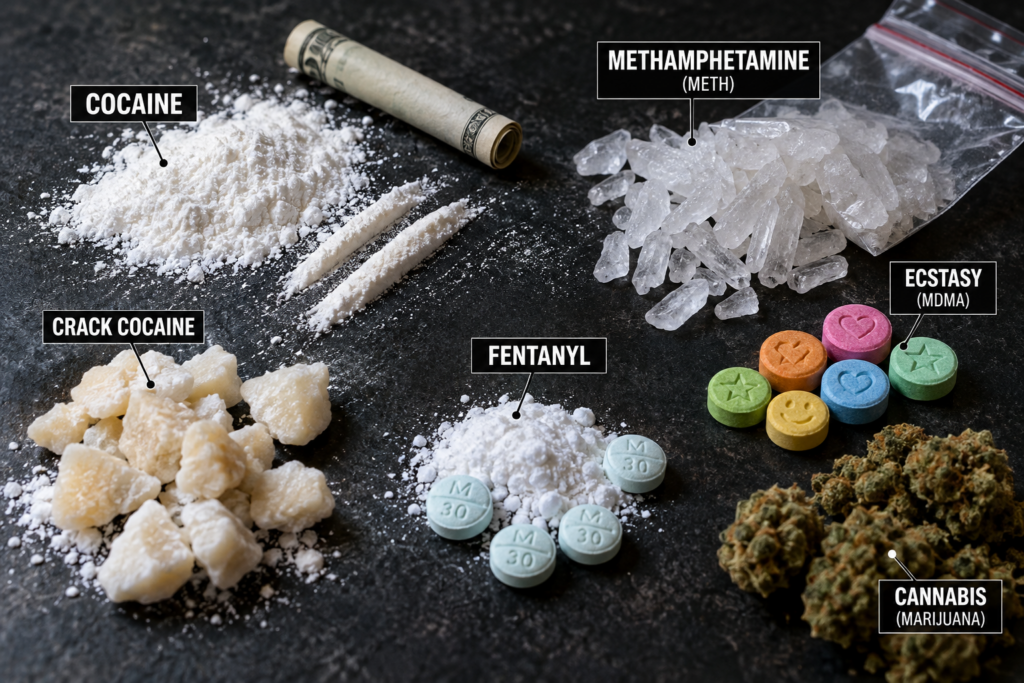
“Too many youngsters are using hard drugs at a tender age,” Pringle told parliament, urging legislators to expand their scope of inquiry to examine the direct link between early hard drug experimentation and the growing rates of declining mental health among the nation’s youth. “We must look at also the effects, the cause and effect why so many young people are losing their mental health,” he said, characterizing the overlapping crises of youth substance abuse and mental illness as an increasingly “serious, serious situation.”
Beyond his calls to address youth substance use and mental health, Pringle argued that the proposed firearms amendment should not stand alone as the government’s full response to gun crime. Instead, he said, the legislation must be embedded within a comprehensive national crime strategy that tackles systemic drivers of violence from multiple angles. As part of that broader strategy, he called for expanded investment in community resources and youth-focused facilities, which would give young people engaging alternatives to gathering on street corners — environments he says greatly increase the risk of exposure to crime and violent activity.
Pringle also raised critical questions about resource allocation for local law enforcement, pointing out that stricter penalties are meaningless without the capacity to identify and apprehend offenders. “If you cannot catch the criminal, this bill serves no purpose,” he stated. To improve enforcement outcomes, he proposed the creation of a specialized firearm tracing unit within the Royal Police Force of Antigua and Barbuda. This unit would be tasked with tracing recovered weapons back through their supply chains to their original sources, allowing authorities to crack down on illegal arms trafficking at the border — an approach Pringle says is far more effective than focusing solely on punishment after crimes have been committed.
The opposition leader also added prison system reform to his list of urgent priorities, calling for a “total reform” of the current correctional system that shifts its core focus from punishment to rehabilitation. He highlighted a critical failure of the current system: “Persons who enter the prison comes out worse than how they’re going in.”
Across all his remarks, Pringle maintained a consistent throughline: the Firearms (Amendment) Bill 2026 should serve as one component of a coordinated national crime strategy, not the government’s final solution to gun-related violence. His warnings about youth hard drug use and mental health were not off-topic, but rather a core part of his broader argument: cutting crime requires policymakers to both strengthen penalties for convicted offenders and address the underlying social and public health conditions that drive young people toward crime in the first place.