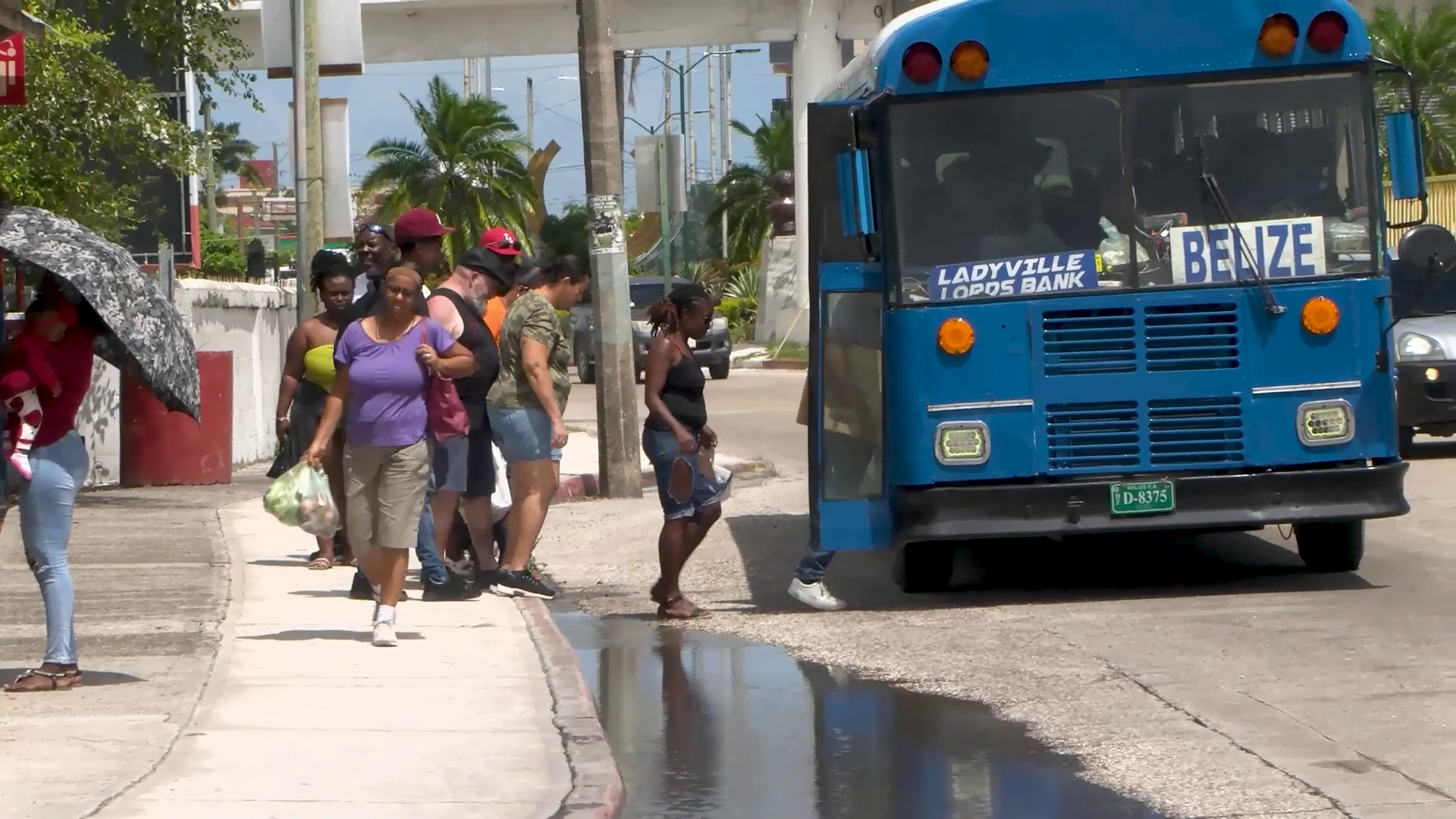
As Belize’s public bus industry grapples with sweeping regulatory changes, mounting operational costs, and the growing footprint of the state-owned National Bus Company, a long-time industry veteran has stepped into the top leadership role of the Belize Bus Association (BBA) to guide independent operators through a period of unprecedented uncertainty.
Froylan Gilharry Jr., co-owner of the local Venus Bus Line, has taken over the BBA presidency from Philip Jones, who stepped down from the role just one year into his term following successful negotiations to extend the Belize government’s critical diesel subsidy program for private bus operators.
In a phone interview, Gilharry outlined his core priority: amplifying the voices of small, independent bus owners who he argues have long been sidelined by structural flaws in the nation’s transportation governance. He pointed to the configuration of Belize’s Transport Board as a long-standing unaddressed issue, noting that the current structure fails to ensure proper representation for the stakeholders who bear the brunt of industry challenges – bus owners, commuters, and financial partners alike. “It doesn’t matter which administration is in power, they have never fixed this structural problem,” Gilharry explained. “Stakeholders who actually feel the impact of every policy decision should be at the table when solutions are being shaped.”
Jones, who formally stepped down on September 27, 2026, pushed back against growing industry speculation that his exit was tied to tensions between the BBA and the government, stemming from his separate government contract for school bus services. He emphasized that his decision to resign was driven exclusively by growing personal and business commitments that demanded his full attention. “I had my school bus routes before I was elected BBA president, so that claim has no merit,” Jones clarified. “I’m launching a new business that requires all of my time and energy, and it would be unfair to BBA members for me to hold the presidency without being able to give the role 100% of the effort it requires.” Jones also rejected claims the BBA had faced government pressure during his tenure, noting that no member had been targeted or disadvantaged because of their political, religious, or professional positions within the association.
The most contentious issue facing the industry today is the expansion of the state-backed National Bus Company, which has deepened divisions between public and independent private operators. Gilharry explained that many independent family-run operations, which have been built over decades by local owners, are reluctant to integrate into the National Bus Company because the government has yet to release a detailed, transparent business plan for the entity. Many operators fear integration will lead to them losing the independent businesses they have spent generations building.
Gilharry also highlighted the uneven playing field created by government concessions granted to the National Bus Company, benefits that have never been extended to independent private operators. The National Bus Company receives generous financial support, development concessions including multi-year tax holidays on fuel, tires, and other critical operational inputs, plus exclusive access to high-demand routes, advantages that put independent operators at a significant competitive disadvantage. “It’s absurd to offer all these benefits to the state operator and then pressure independent owners to join, when we’ve never had access to the same supports,” Gilharry noted.
Looking ahead, the new BBA president said the association has not yet scheduled formal talks with the Belizean government, but plans to request meetings with Cabinet and other key stakeholders to open negotiations on the core issues impacting the nation’s entire public transportation network. This report was prepared by Britney Gordon for News Five, Belize.