False bomb threats targeting schools immediately after long weekends have emerged as a persistent, troubling issue in Trinidad and Tobago, according to the president of the island nation’s largest teachers’ union.
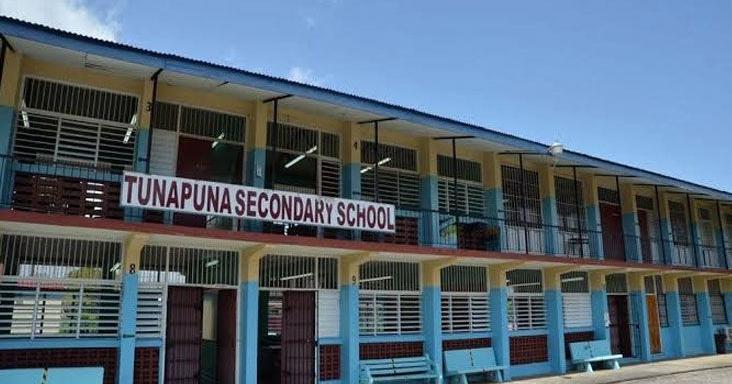
The latest wave of disruptions unfolded this week, when four secondary schools—Arima North Secondary, El Dorado East Secondary, El Dorado West Secondary, and Tunapuna Secondary—received anonymous bomb threats in a single day, forcing the immediate evacuation of all students and staff on campus.
In a statement shared with local media outlet *Trinidad Express* via WhatsApp, Crystal Ashe, president of the Trinidad and Tobago Unified Teachers’ Association (TTUTA), emphasized that stronger action is urgently needed to track down and hold accountable the individuals behind these malicious pranks. Ashe noted that bomb threats against schools consistently spike in the days following extended public holidays, a pattern that suggests the threats are often carried out by bad actors seeking an unplanned extra day off from classes.
“TTUTA, as a key stakeholder in the national education system, always takes any threat against school communities extremely seriously,” Ashe said. He added that while the Ministry of Education already has a formal bomb threat response policy in place for institutions to follow, the recurring nature of these incidents demands more proactive intervention to root out those responsible. “When teachers follow the established protocols, we are confident in the framework, but stopping the threats at their source is the only way to end these disruptions for good.”
Following the receipt of the threats on the day in question, the Trinidad and Tobago Police Service (TTPS) was immediately dispatched to the four affected campuses. The service’s Explosive Detection and Disposal Unit and Special Branch teams carried out full security sweeps of every building, classroom, and common area on school grounds, searching for any trace of explosive devices or suspicious items. After completing their thorough inspections, law enforcement officials confirmed that no dangerous materials were located, and the schools were officially cleared to resume normal operations.
In an official media release issued the same day, the Ministry of Education confirmed that it had been notified of the threats immediately and had coordinated closely with law enforcement to respond. The statement noted that all established school safety and emergency protocols were followed throughout the incident, including structured coordination between school administrators and protective services, timely implementation of precautionary measures, and orderly accounting for all students and staff during the evacuation. “The safety and security of every student, teacher, and member of the school community remains our highest priority,” the ministry emphasized.
The National Parent Teachers Association (NPTA) also issued a statement reacting to the incident, with NPTA president Walter Stewart sharing his perspective with *Trinidad Express* via telephone. Stewart voiced relief that the threats ultimately turned out to be false, but echoed the deep concern shared by TTUTA over the recurring pattern of these incidents. He reaffirmed that schools must remain safe, secure spaces for teaching and learning, and that all educators and students deserve to enter campus every day confident in their personal safety.
Stewart pointed out that even when bomb threats are proven to be hoaxes, they inflict lasting harm on school communities. Beyond the immediate disruption to instructional time and delays to curriculum delivery, these false threats divert critical law enforcement and emergency response resources away from genuine public safety needs, he noted. They also spread unnecessary fear and anxiety among students, staff, parents, and the wider community, long after the all-clear is given. “These pranks are not harmless—they carry real costs for everyone involved, and it is past time that we crack down on those responsible,” Stewart added.