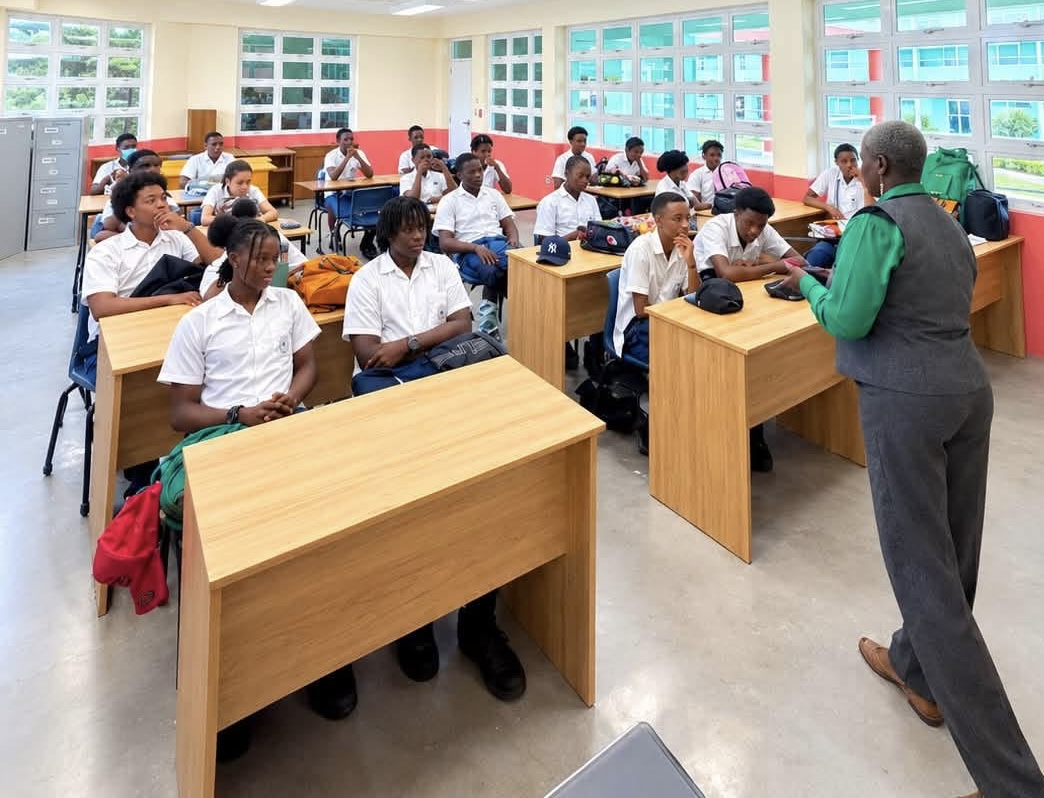
Antigua and Barbuda’s National Solid Waste Management Authority (NSWMA) has rolled out a new environmental outreach initiative, the Green School Program, that brings hands-on environmental education directly to secondary school campuses across the twin-island nation.
The program kicked off officially on September 22, with a specific focus on Fourth Form students. NSWMA teams are traveling to participating schools to lead structured discussions centered on plastic waste — one of the most pressing solid waste challenges facing small island developing states — and share practical, youth-focused strategies for cutting the volume of plastic that enters regional waste streams.
Unlike traditional lecture-style education campaigns, the Green School Program is built around interactivity. It invites students to contribute their own ideas and experiences while educating them on the core principles of waste reduction, reuse, and recycling. A key priority of the sessions is highlighting how minor, consistent adjustments to daily habits can add up to measurable improvements for local ecosystems and public spaces.
To date, teams have already completed visits to multiple secondary schools across Antigua and Barbuda, with plans in motion to expand the initiative to more campuses and reach a growing number of young learners in the coming months.
This targeted school program is not an isolated effort: it forms a core component of the NSWMA’s statutory mandate for public education. Under Antigua and Barbuda’s existing solid waste legislation, the authority is legally required to develop and sustain public outreach programs that build public awareness of responsible waste management practices.
In its official announcement of the program launch, the NSWMA issued a collective call to action, stating: “Together, let’s work toward a cleaner Antigua & Barbuda.” The initiative reflects a growing global trend of engaging young people as frontline stakeholders in local environmental action, tapping into youth enthusiasm to drive long-term cultural change around waste reduction.