A heated political controversy has erupted in Trinidad and Tobago after a contentious national security bill was pushed through the Senate via a tie-breaking casting vote from the chamber’s president, drawing fierce condemnation from the country’s opposition leader on the eve of the nation’s 50th republican anniversary.
The Special Operations Bill 2026, a far-reaching piece of legislation designed to expand anti-crime policing powers, was locked in a 15-15 deadlock following senate voting. All six opposition senators and nine independent senators threw their support behind blocking the bill, leaving the government one vote short of a passing majority. To break the impasse, Senate President Wade Mark used his constitutional casting vote to side with the government, pushing the legislation over the line to approval.
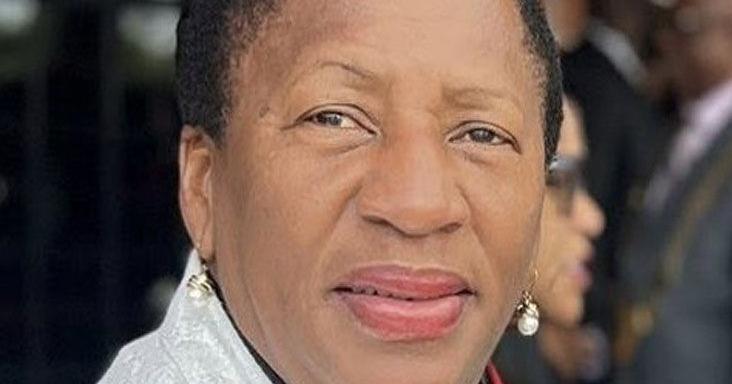
In the wake of the vote, Opposition Leader Pennelope Beckles has launched a scathing rebuke of the outcome, labeling the bill’s passage a blatant travesty of parliamentary democracy. What has amplified the outrage, Beckles emphasized, is the timing of the vote: it took place on the exact morning the nation was set to mark five decades since it became a republic, a milestone intended to honor the strength of the country’s democratic institutions, constitutional protections, and parliamentary independence.
Beckles argues that the outcome exposes a fundamental overreach by the government and a failure of the Senate President to uphold the non-partisan responsibilities of his office. The government only secured passage through Mark’s deciding vote, she noted, a move that disregards the unified opposition from every non-government senator who voted against the bill. In a public statement shared to Facebook, Beckles characterized the government’s push for the bill as demonstrating an extraordinary degree of belligerence and disregard for the clear opposition to the legislation from across non-government benches.
Central to Beckles’ criticism is questioning of the Senate President’s decision to use his casting vote. The role of Senate President, she stressed, is not equivalent to that of an ordinary ruling-party senator. The officeholder occupies a neutral chair and holds a special duty to protect the dignity, credibility, and institutional independence of the Senate. The casting vote in this case was not a mere procedural formality, Beckles argued: it was the single vote that secured passage of deeply controversial legislation after the chamber had reached a complete deadlock.
Adding another layer of scrutiny, Beckles drew public attention to the fact that Mark was slated to receive the Order of the Republic of Trinidad and Tobago, the nation’s highest civilian honor, in coinciding national anniversary celebrations. This alignment of events, she said, will inevitably raise questions among ordinary citizens about the circumstances and motivations behind the Senate President’s critical vote. The Office of Senate President, Beckles reiterated, carries core obligations that extend far beyond narrow partisan political interests.
Beckles also reminded the public of the far-reaching implications of the bill itself. The legislation formalizes dedicated policing districts and authorizes large-scale special operations to target widespread criminal activity, including provisions that allow for military support to police operations from members of the national Defence Force. It also grants expanded authorities for establishing closed areas, implementing curfews, cordoning off neighborhoods, setting up checkpoints, and conducting searches under a broad range of specified circumstances.
Even with the bill’s passage, Beckles insisted, the debate over its far-reaching consequences for civil liberties and democratic governance is far from over. While Mark was procedurally permitted to cast his deciding vote, she said, the profound political and constitutional implications of the decision cannot be brushed aside as an irrelevant technicality. On a day that should have been dedicated to celebrating the robustness of Trinidad and Tobago’s democratic institutions, Beckles concluded, the nation has instead witnessed one of the darkest days in the history of its parliamentary democracy.