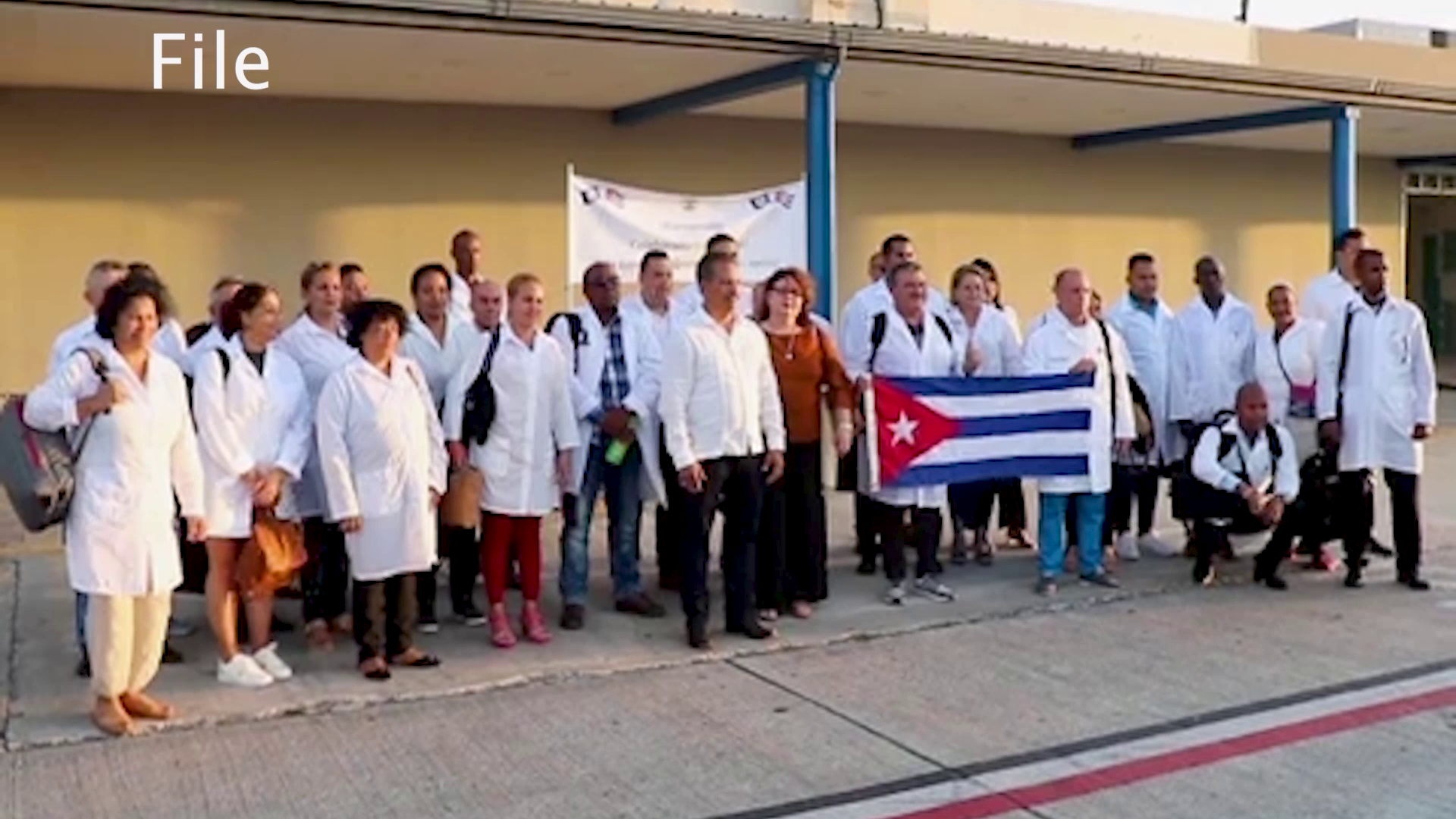
As Belize weighs the future of its long-running Cuban Medical Brigade program, a new diplomatic proposal from the United States has emerged to reshape the Central American nation’s healthcare workforce development. In comments to local media September 24, 2026, newly installed U.S. Ambassador to Belize Andre Bauer confirmed that expanding medical training opportunities for Belizean citizens is his top policy priority in the country.
Bauer declined to share any updated position from Washington on Belize’s existing partnership with the Cuban Medical Brigade, which has provided foreign medical personnel to serve Belizean communities for years. Instead, he outlined a bipartisan, people-centered proposal to create reciprocal training pathways that would grow Belize’s pool of homegrown doctors and nurses.
“At the end of the day, I wanna make sure Belizeans have good healthcare,” Bauer said. “If I can do things to help facilitate sending Belizeans to American hospitals and educating them, I actually have a suggestion that I wanna talk to the State Department about, about trying to create more opportunities for people here that wanna be nurses and doctors, and people that are in the United States that wanna come here and be a part of Belize and do some of their medicine here is what I want to try to facilitate.”
Bauer added that his core goal is to build a strong enough local healthcare workforce that Belize does not need to rely on foreign medical staff to care for its population. The proposal comes as Belizean officials prepare to present a full set of policy options to the national Cabinet this month, Foreign Affairs Minister Francis Fonseca confirmed. Those options include a full phased withdrawal of the Cuban Medical Brigade from the country’s public healthcare system.
This report is based on a transcript of a local evening television news broadcast from Belize.