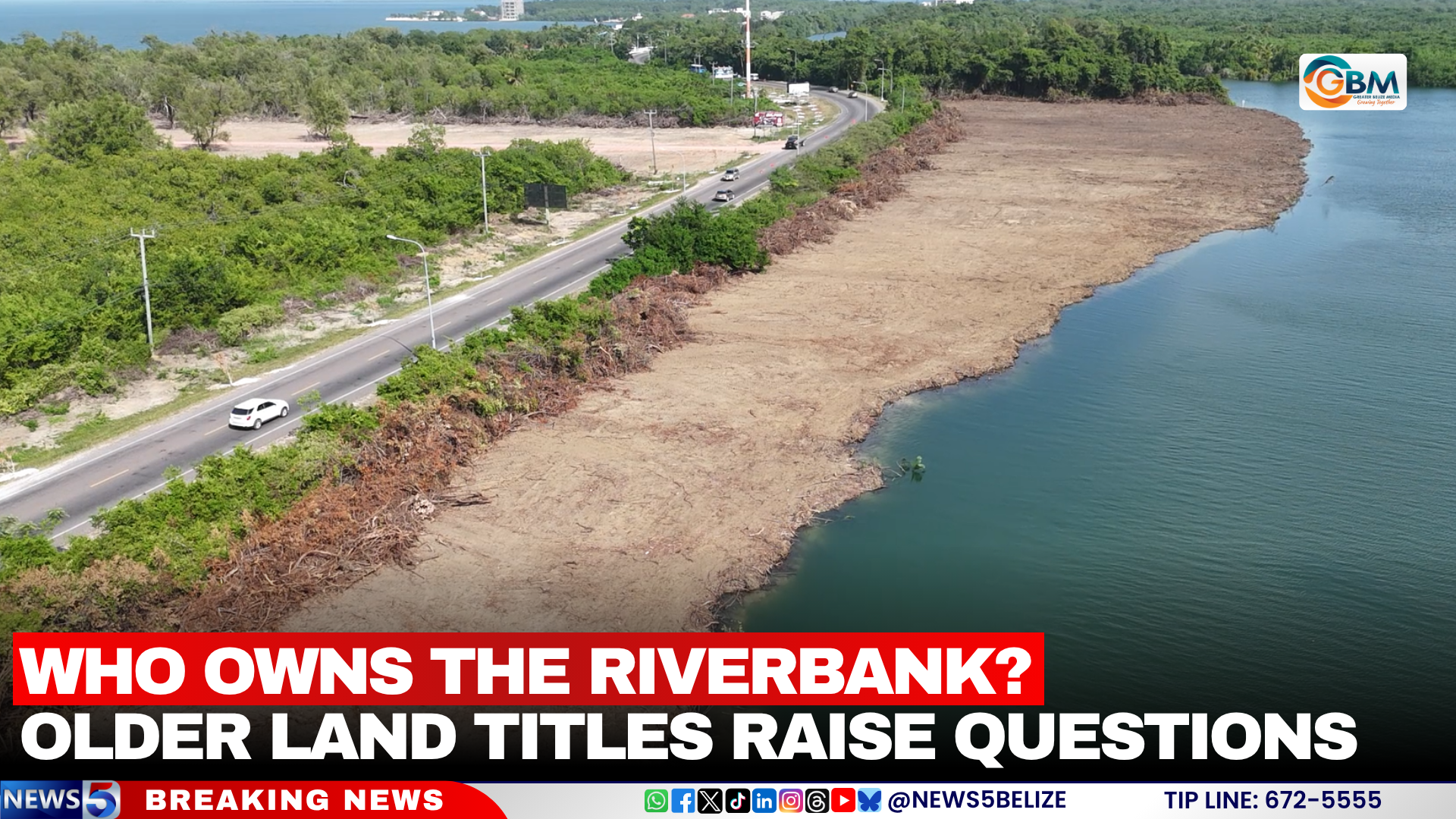
A contentious three-acre clearing project along the banks of Belize River has thrown a spotlight on longstanding ambiguities in the country’s land regulation framework, particularly for waterfront development. The site, which was cleared all the way to the river’s edge, prompted a multi-agency joint investigation involving Belize’s Department of the Environment, Forest Department, and Lands Department, with inspectors confirming only a small number of mangroves sustained damage during the work.
Anthony Mai, the nation’s Chief Environmental Officer, broke down the split regulatory responsibilities that have complicated oversight of this project and similar developments across the country. Under existing Belizean law, the Forest Department holds exclusive authority to oversee any clearing or modification of mangrove habitats, which are critical to coastal and riverine ecosystems. The Lands Department, by contrast, is tasked with managing the 66-foot river reserve—an established buffer zone set aside under the country’s Lands Act. This strip of land, officially designated as Crown land, was originally created to guarantee unimpeded public access to the nation’s waterways, and in recent decades it has also gained recognition for its key ecological roles, including reducing riverbank erosion, filtering runoff, and supporting aquatic biodiversity.
To add another layer of environmental protection, official Environmental Compliance Plans for most waterfront developments require developers to preserve an intact 66-foot vegetated buffer along all water bodies, a rule designed to uphold the ecological functions the reserve is meant to protect. However, this particular plot of land complicates enforcement: officials from the Department of the Environment confirmed the land title for the three-acre parcel dates back to the 1960s, decades before the 66-foot reserve requirement was formally written into national law.
Mai noted that this is not an isolated case. Across Belize, a small but significant number of pre-regulation land titles grant property ownership all the way to the water’s edge, creating a legal gray area that clashes with modern environmental and public access rules. The ongoing investigation into the Belize River clearing has renewed calls for policymakers to address these conflicting land rights, balancing the legal claims of longstanding title holders with the growing need to protect riverine ecosystems and maintain public access to Belize’s vital water resources. The clearing, which already extends to the waterline, has also stoked public concern over increased risks of river erosion and ecological degradation in the area, putting further pressure on regulators to clarify outdated land policies.