Across the Caribbean, recurring climate-driven and geophysical disasters—including hurricanes, flash floods, deadly landslides, and earthquakes—have repeatedly exposed vulnerabilities in residential infrastructure, destroying homes, erasing decades of development progress, and threatening the lives and livelihoods of regional communities. To address this growing risk, CAF – Development Bank of Latin America and the Caribbean has greenlit a $200,000 technical assistance grant to the Caribbean Disaster Emergency Management Agency (CDEMA) for a new 18-month Regional Resilient Residential Construction and Reconstruction Project.
This new initiative builds on the foundation of CDEMA’s long-running Safer Building Programme, shifting focus from post-disaster recovery to proactive pre-disaster preparedness by targeting the people and institutions that shape residential construction standards across the region. Unlike traditional disaster response efforts that center on rebuilding after damage occurs, the project prioritizes capacity building for key stakeholders: builders, skilled artisans, general contractors, and regional Technical and Vocational Education and Training (TVET) institutions.
Under the project framework, frontline construction workers will receive hands-on training in modern hazard-resilient building techniques. TVET institutions will also receive targeted support to integrate the official Regional Code of Practice for Residential Construction into their core training curricula, ensuring that future generations of construction professionals enter the workforce with disaster-resilient skills. Beyond industry training, the initiative will run public and institutional outreach campaigns to raise awareness of resilient building standards among homeowners, lending institutions, policymakers, and community stakeholders, with the goal of driving widespread adoption of safer construction practices across the region.
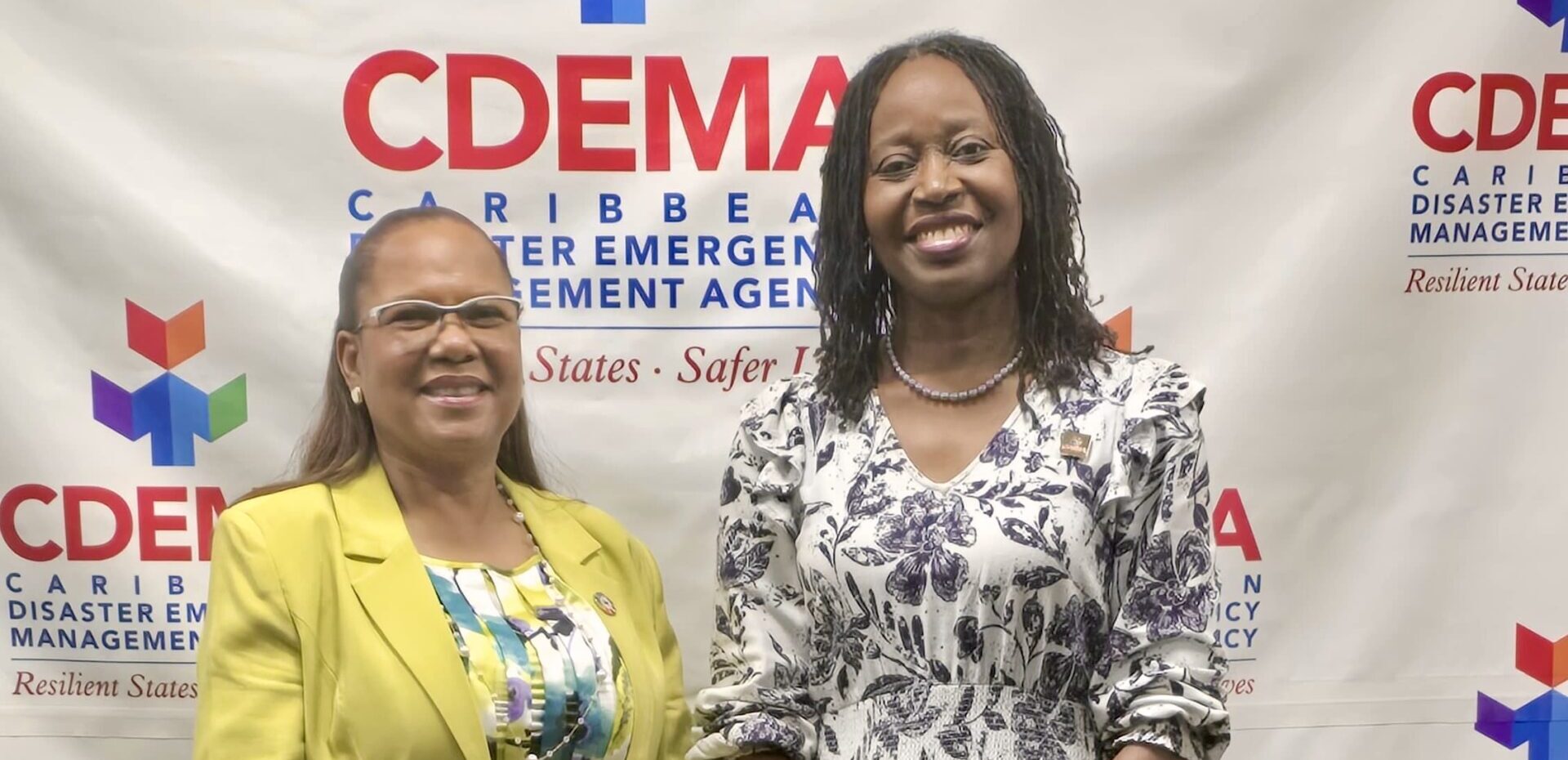
Dr. Stacy Richards-Kennedy, CAF’s Regional Manager for the Caribbean and the bank’s lead representative in Barbados, emphasized that proactive investment in pre-disaster resilience delivers far greater impact than post-disaster reconstruction. “Rebuilding after a disaster will always be necessary, but preparing before one strikes is where we can make the greatest difference. Resilience begins with the way residential infrastructure is designed and built,” Dr. Richards-Kennedy noted. She added that the project embodies CAF’s broader commitment to the Caribbean: beyond financing large-scale resilient infrastructure, the bank prioritizes investing in knowledge, technical capacity, and cultural change to build a robust regional culture of disaster preparedness.
CDEMA Executive Director Elizabeth Riley echoed this perspective, noting that decades of disaster response experience have made clear that resilience is rooted in pre-event decision-making, not post-event recovery. “Every disaster reminds us that resilience is not built in the aftermath of an event, but through the decisions we make before it occurs. Strengthening the way our homes and communities are designed and built is therefore a critical investment in protecting lives, livelihoods and our development gains,” Riley explained. She added that the partnership with CAF will not only improve construction practices and build technical capacity across the region but also strengthen broader disaster preparedness efforts that protect hard-won development gains for Caribbean communities.
Ultimately, the project forms a key part of regional efforts to reduce disaster risk, with safer residential construction acting as a foundational pillar for protecting lives, property, and community well-being across the hazard-prone Caribbean.