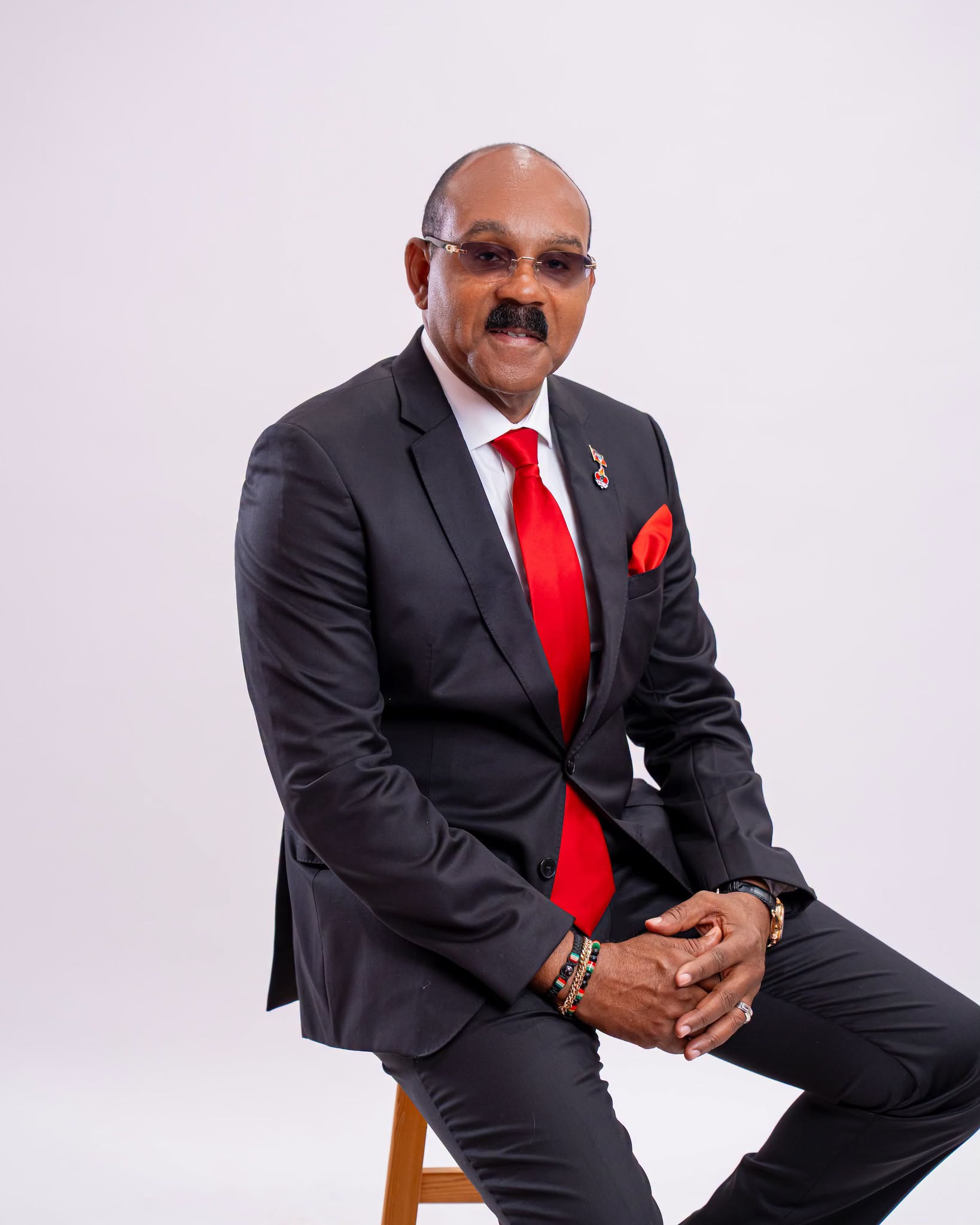
NEW YORK, September 23, 2026 – As world leaders gather for the 81st United Nations General Assembly (UNGA), Antigua and Barbuda’s Prime Minister Gaston Browne is set to share the Caribbean nation’s groundbreaking experience in expanding national eye health services with a global audience on Wednesday. Browne will present the country’s successful model at a high-level special development forum convened on the margins of UNGA, focused on turning global recognition of vision care’s broad benefits into large-scale, actionable government programs.
Organizers of the forum have singled out Antigua and Barbuda as a leading emerging example of sustained political commitment to expanding universal access to vision care. Unlike many nations that frame eye health as a narrow public health concern, the Caribbean country has positioned vision care as a core strategic investment in human capital, long-term productivity, and inclusive economic growth – a framework Browne will highlight during the panel discussion.
In pre-event comments, Browne emphasized that the impacts of quality vision care stretch far beyond the health sector. “Good vision shapes a child’s ability to keep up in school, an adult’s capacity to contribute productively to the workforce, and a whole family’s ability to climb the economic ladder,” he explained. “That is why we view investments in eye health as direct investments in our people, and the foundation of our country’s long-term social and economic development.”
The forum itself was created to elevate the issue of uncorrected near-vision impairment on the global development agenda, and to highlight the strong economic returns generated by low-cost, accessible interventions such as reading glasses. Official event briefings highlight a stark global gap: more than 826 million people around the world live with untreated near-vision impairment, a crisis that drags down worker productivity, reduces household income, and limits socio-economic mobility, particularly in low- and middle-income nations.
During his address, Browne will outline three core priorities for the global community: why Antigua and Barbuda made eye health a top national policy priority, how political will can be translated into cross-government practical action, and what lessons the small island nation’s experience can offer other countries ahead of the upcoming Global Summit for Eye Health.
“For governments, the real test is not just acknowledging a public health challenge – it is acting on the clear evidence we have,” Browne said. “When an affordable intervention can improve population health, boost national productivity, and raise quality of life for millions, we have a fundamental responsibility to build the necessary partnerships and delivery systems to make that care accessible to every person.”
Joining Browne on the discussion panel is H.E. Keisha McGuire, Chief Global Affairs Officer of the non-profit organization RestoringVision. The conversation will center on the concept of “Visionomics” – the well-documented causal link between expanded access to quality vision care and measurable gains in workforce productivity, household livelihoods, and broadened economic opportunity.
Organizers noted that Antigua and Barbuda’s model provides a critical case study for the international community: it demonstrates how intentional political leadership, cross-sector partnerships, and robust accountability mechanisms can turn research evidence into sustained, impactful government action. Browne confirmed that the Antigua and Barbuda government will continue expanding its cross-sector partnerships in eye health, and will actively share the lessons learned from its national program with other nations.
“Our goals are simple: we aim to prevent avoidable vision loss, restore sight wherever possible, and ensure that a person’s financial situation never creates an unnecessary barrier to accessing essential eye care,” Browne said. “At the same time, we want to show the world that small states can develop innovative, scalable approaches to eye health that other countries can adapt and benefit from.”
Right now, Antigua and Barbuda is actively scaling up its national vision care initiatives through global and local partnerships, expanding access to free community screenings, affordable corrective eyewear, specialized clinical treatment, and life-changing sight-restoring procedures. This UNGA presentation also serves a broader strategic purpose: building global momentum ahead of the Global Summit for Eye Health, pushing the international community to move beyond non-binding commitments and deliver measurable, on-the-ground implementation of vision care programs.
Browne is leading Antigua and Barbuda’s official delegation to the 81st UNGA, which includes Foreign Affairs Minister E.P. Chet Greene, Health Minister Michael Joseph, and the country’s Permanent Representative to the United Nations, Ambassador Walton Webson.